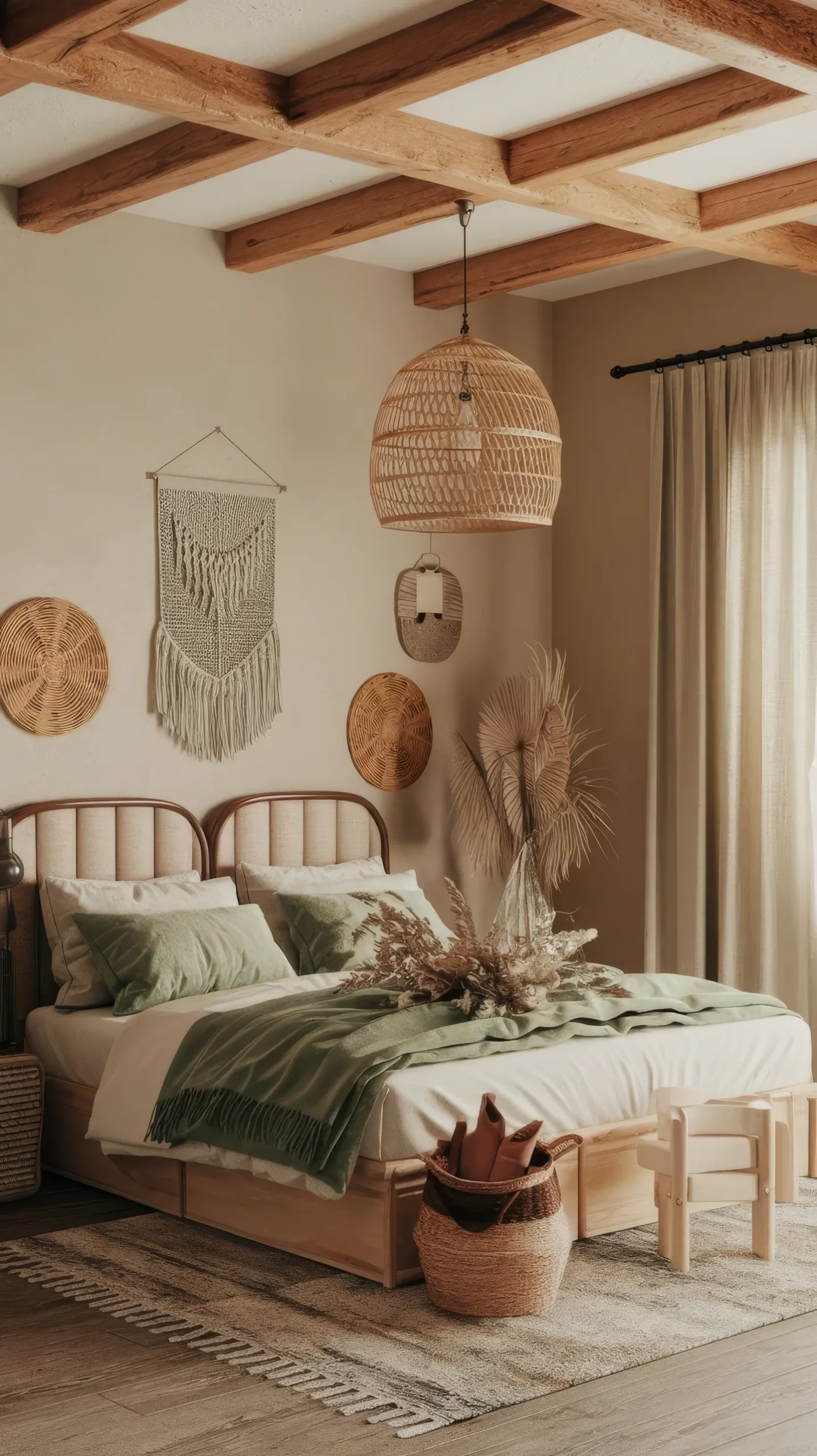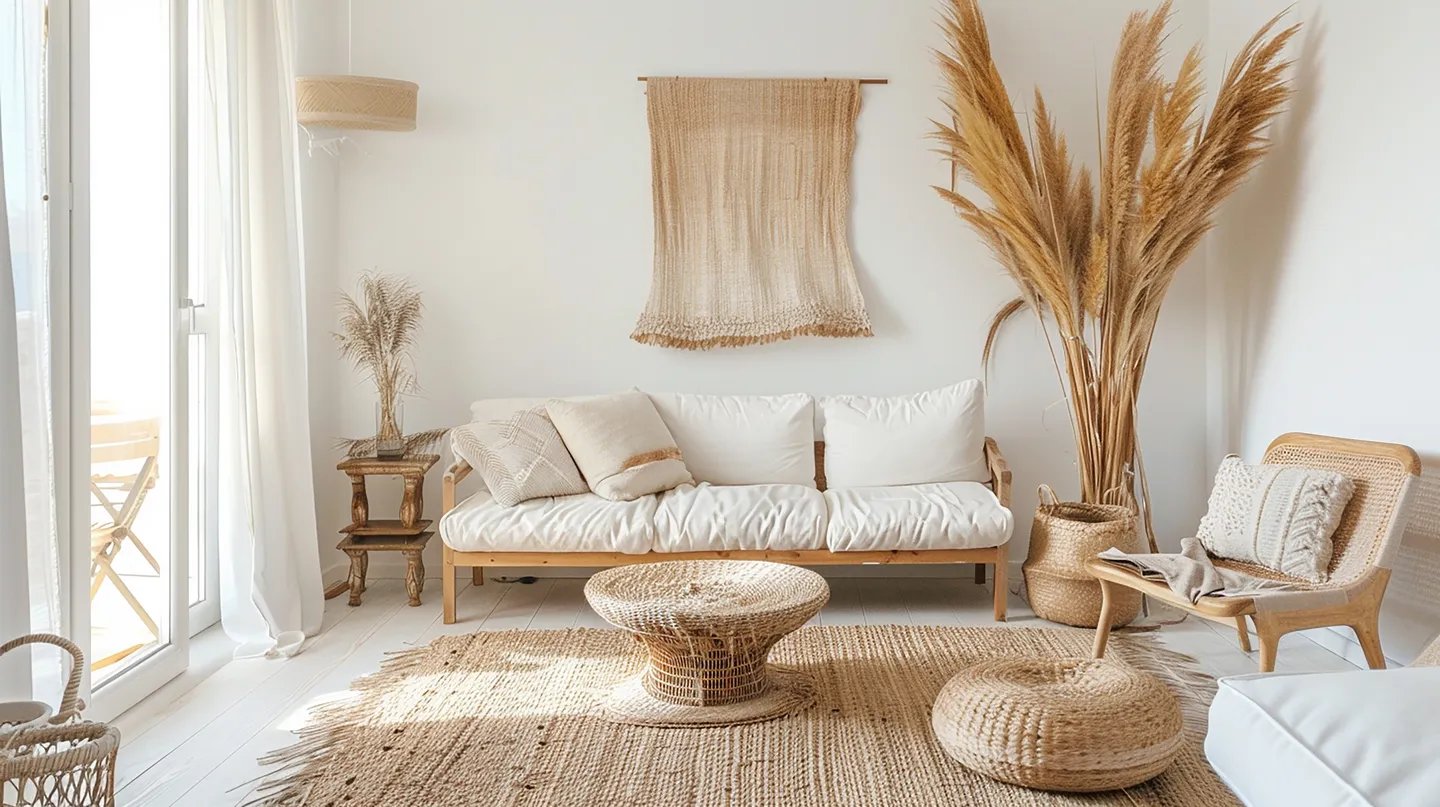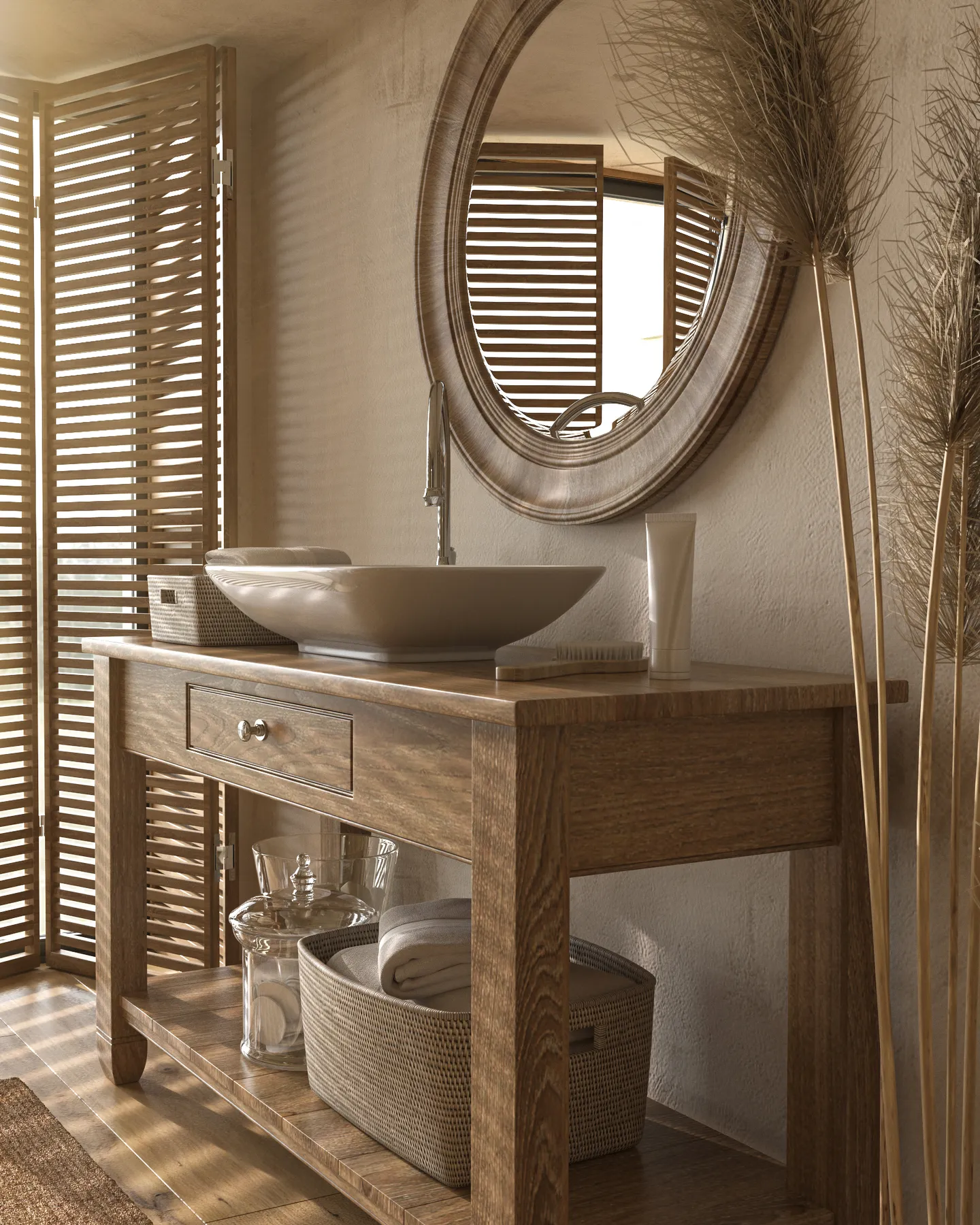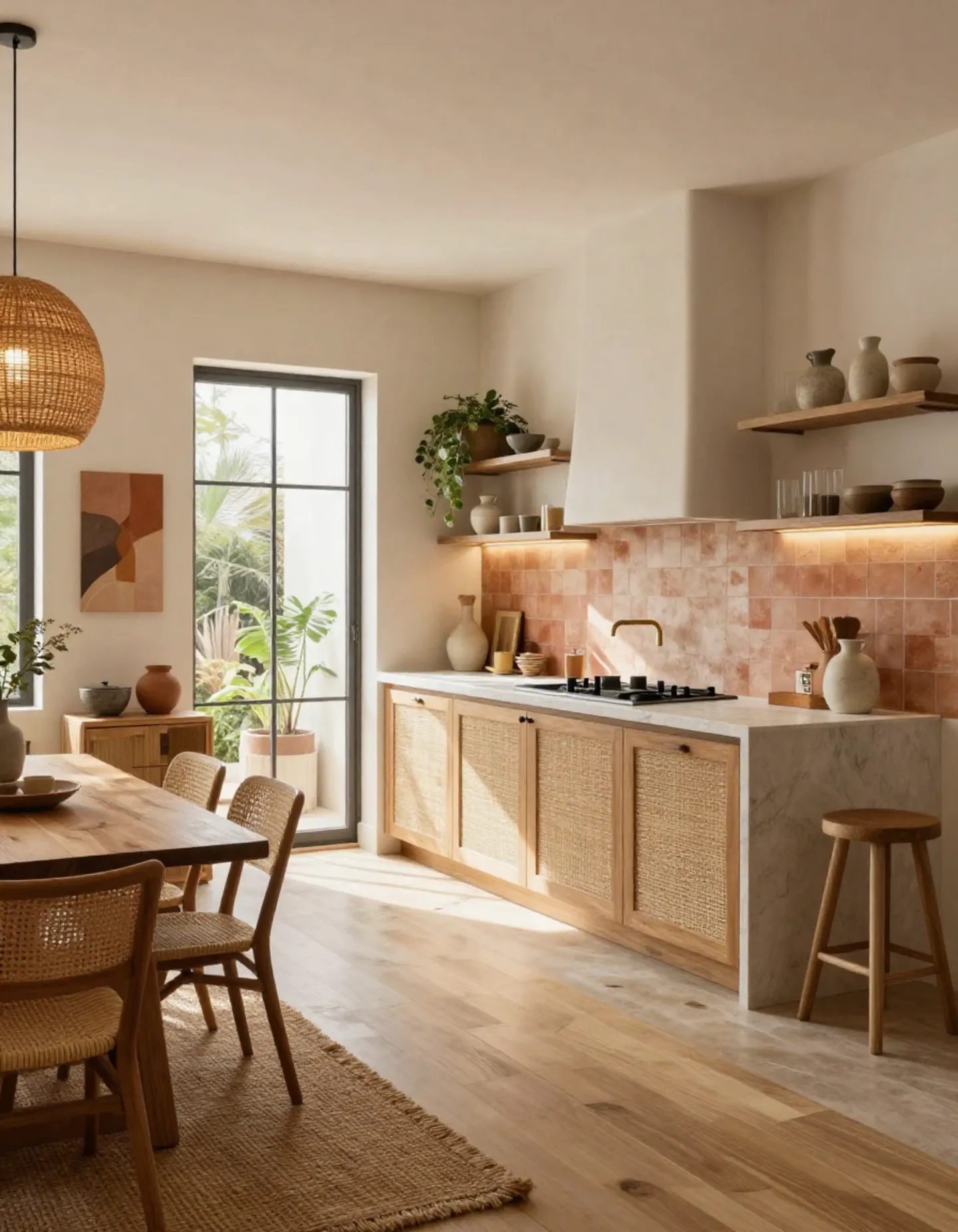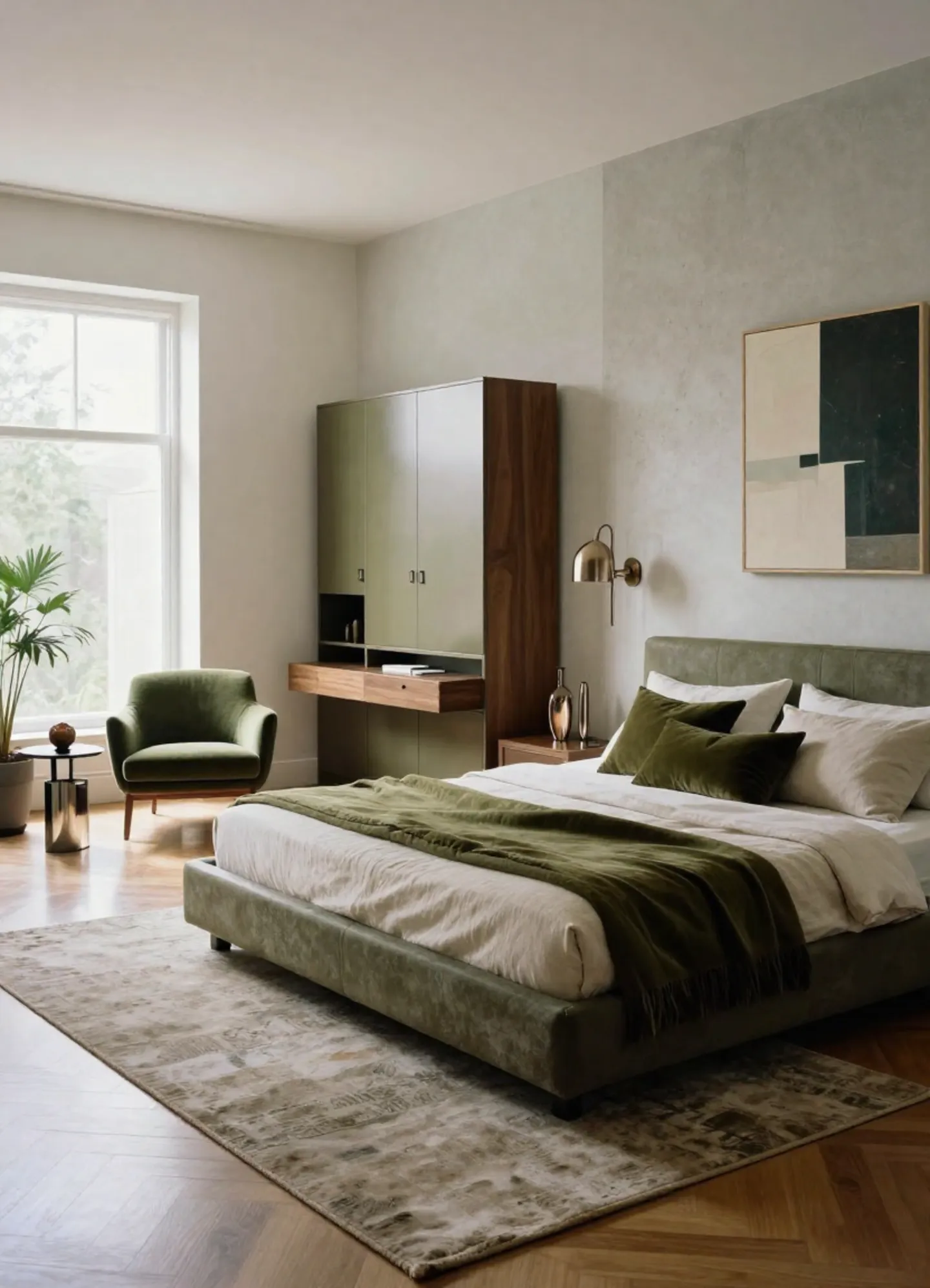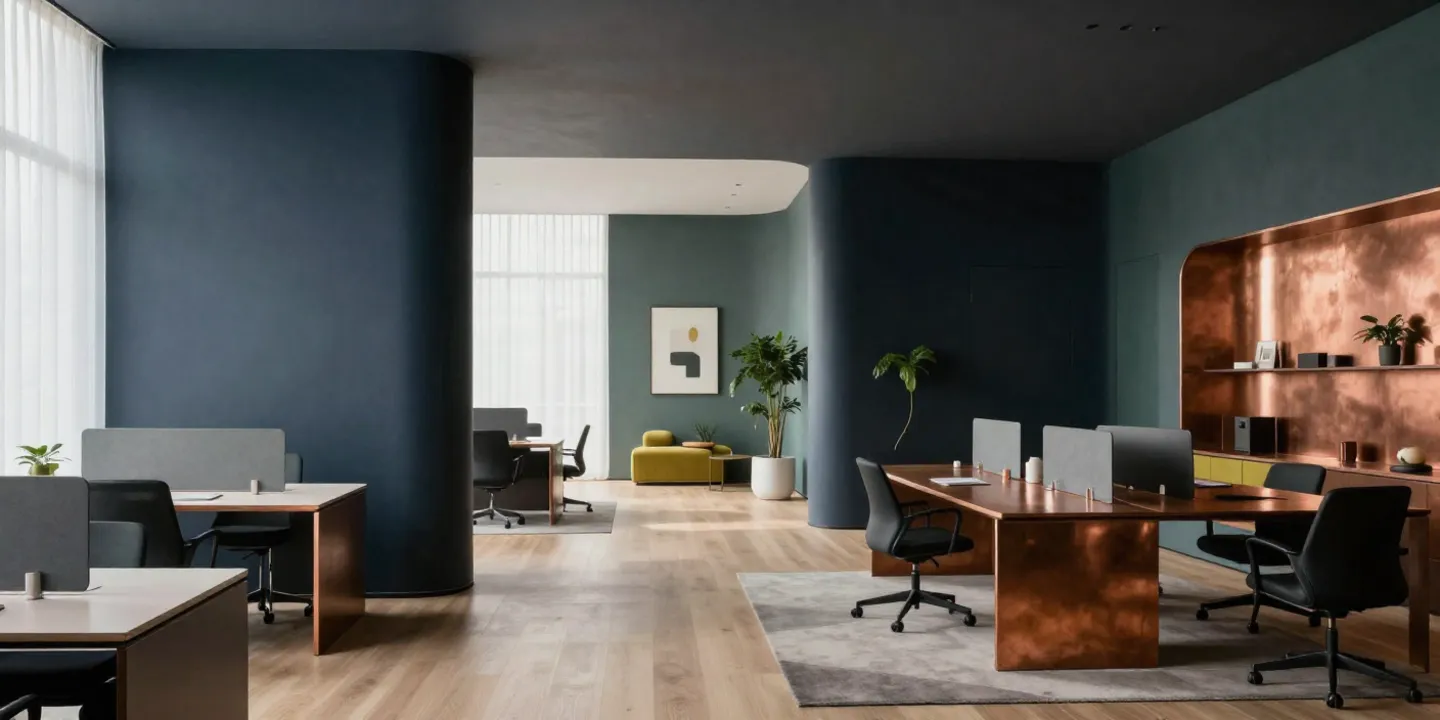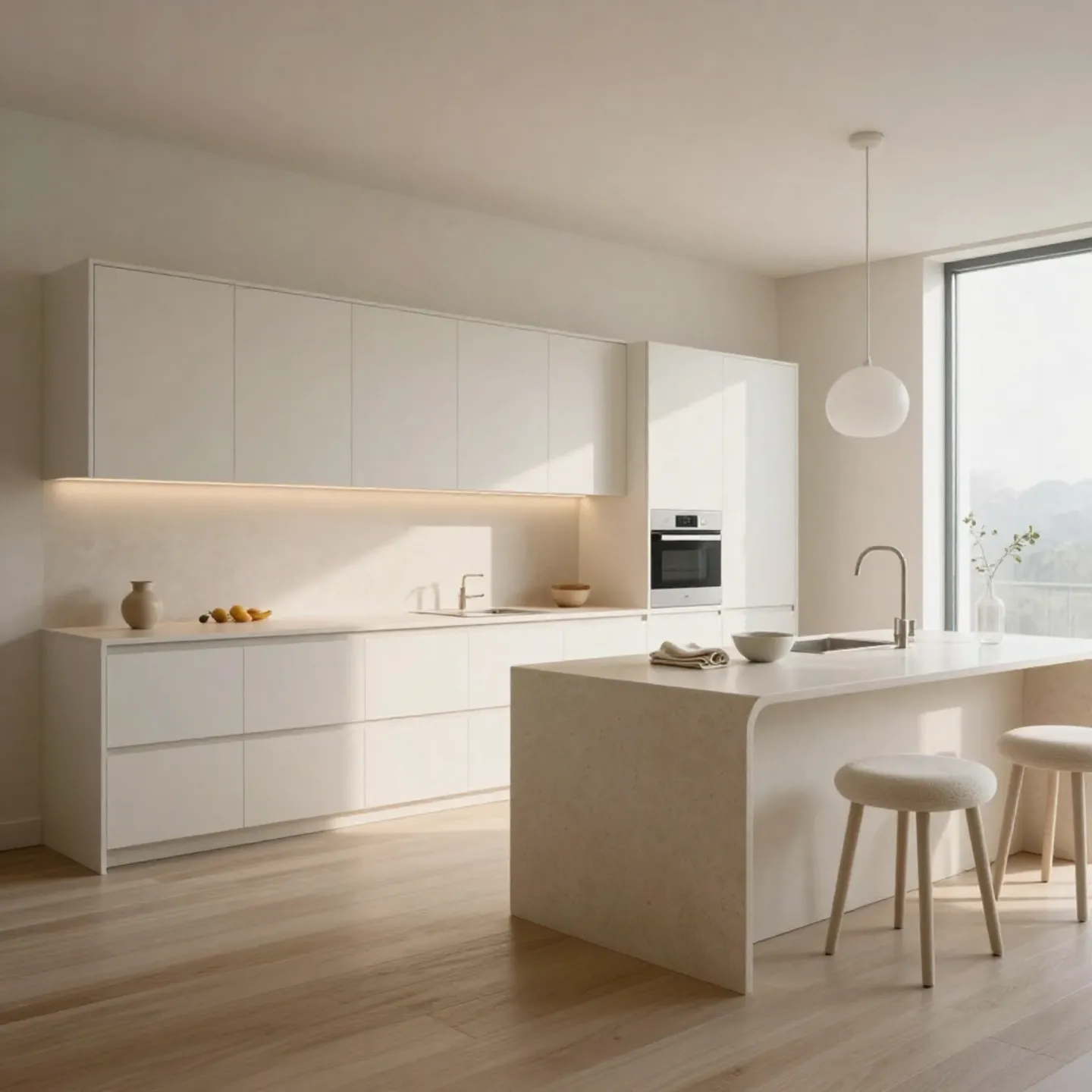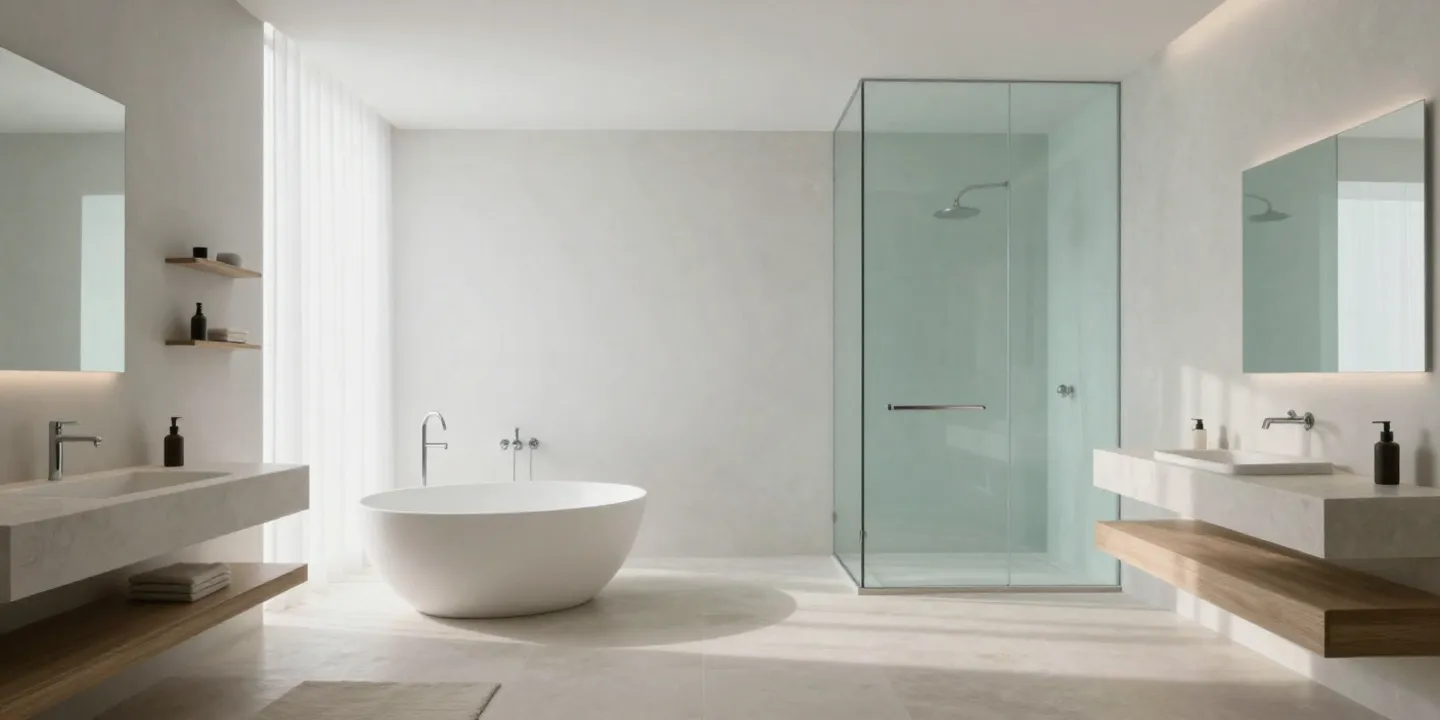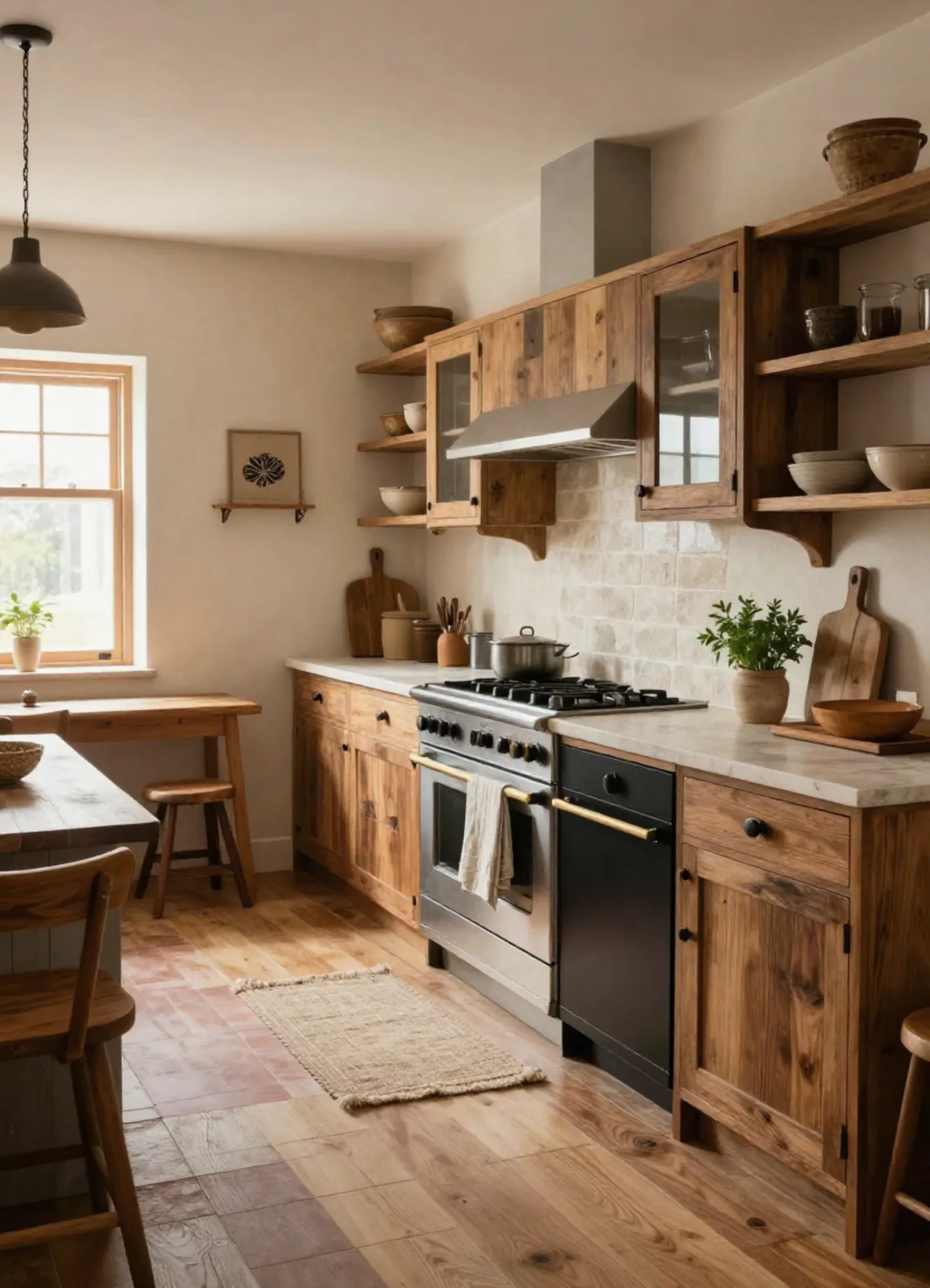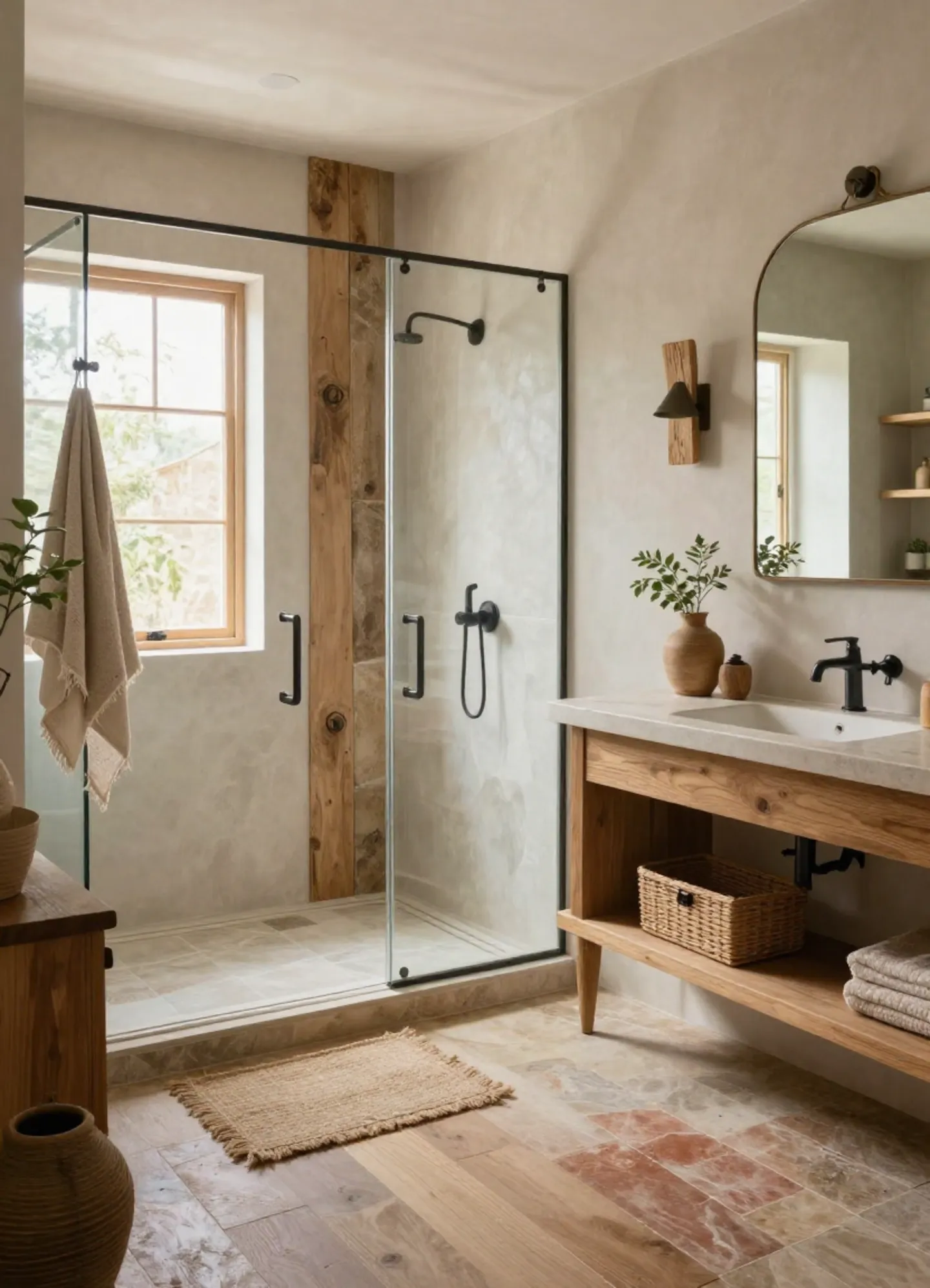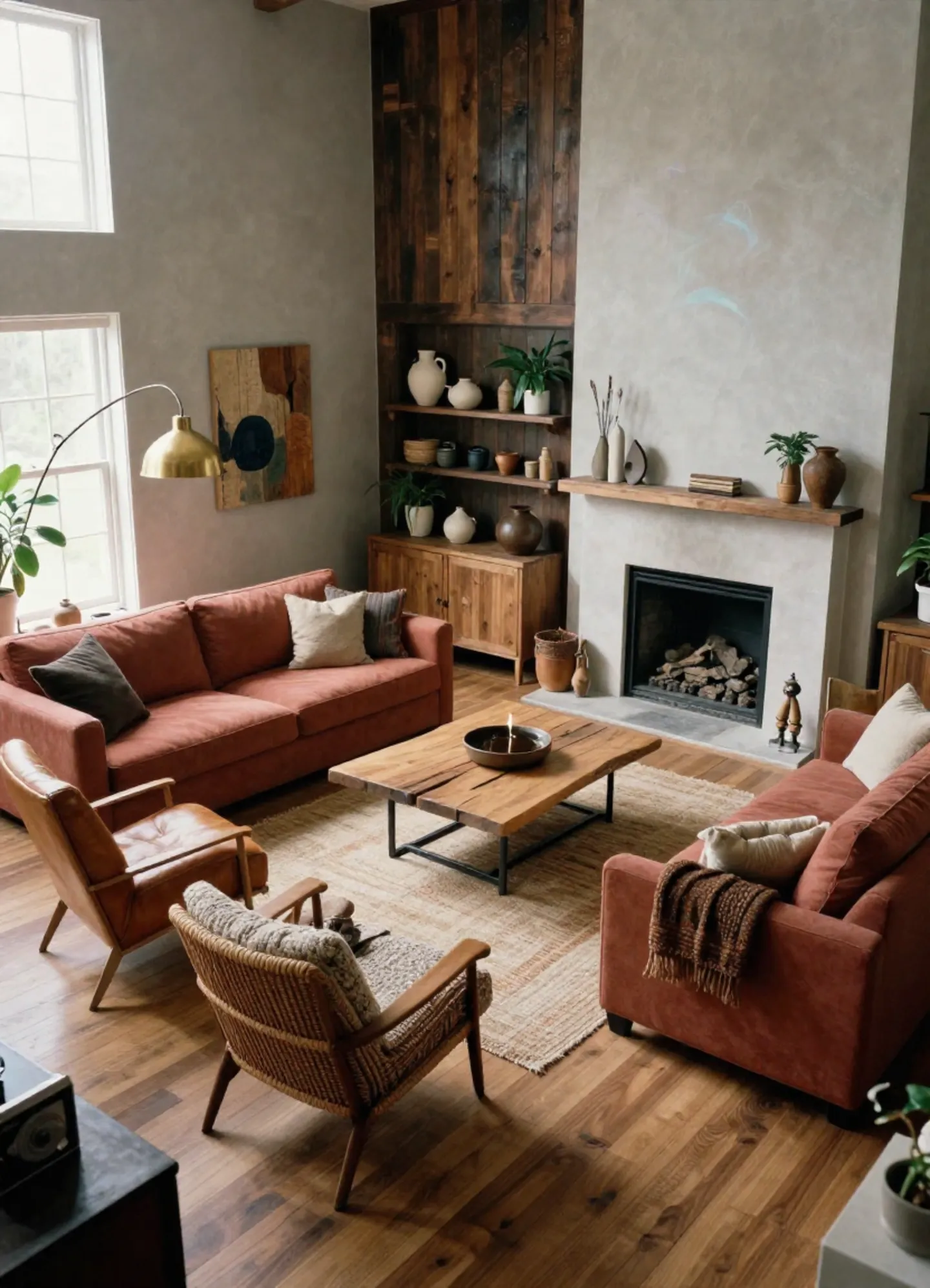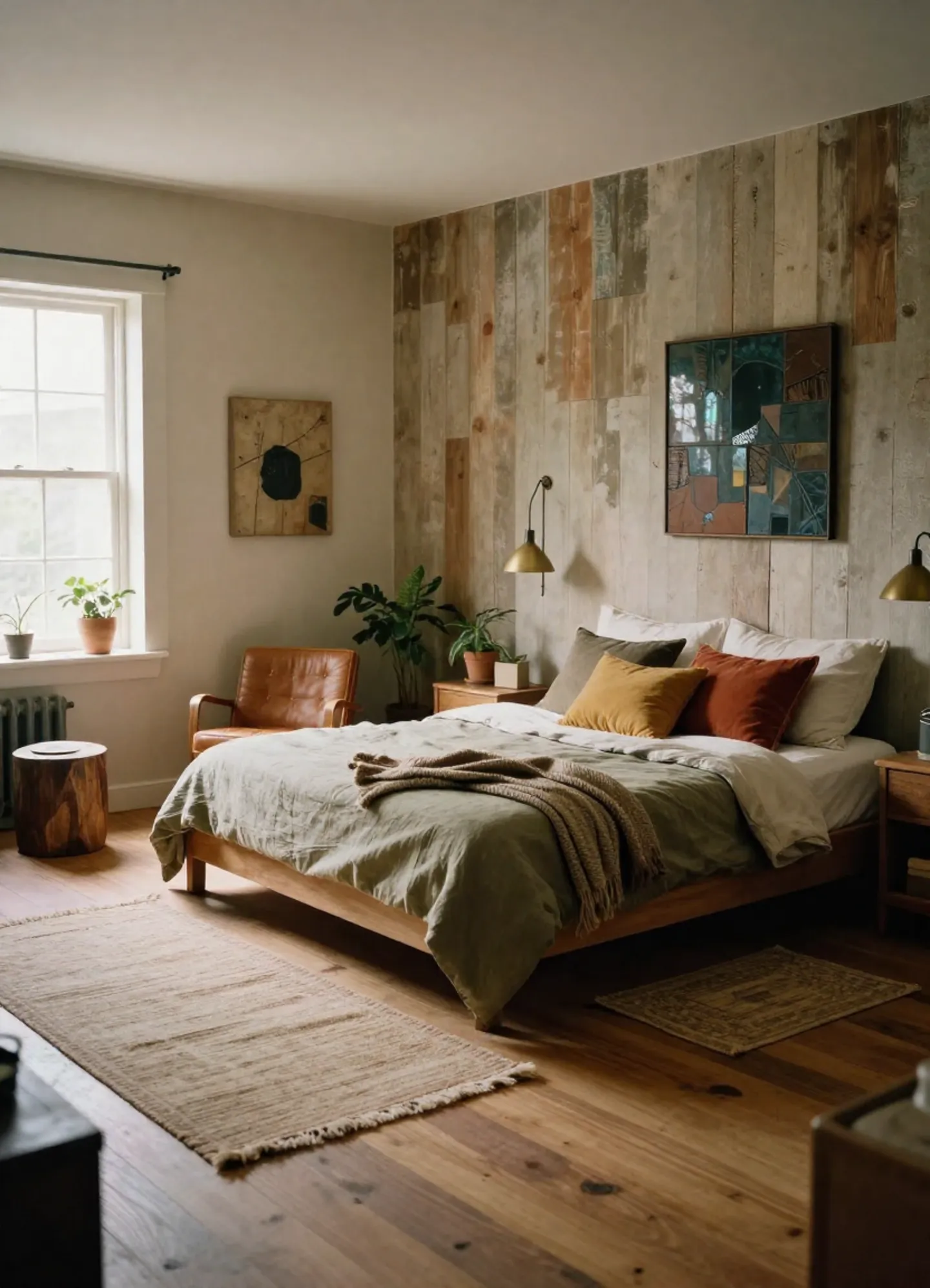
Boho style in interior design expresses freedom, creativity, and a love of living by your own rules. Originating in the 19th‑century Parisian bohemia, it brings an easygoing vibe, individuality, and unconventionality into homes—creating spaces full of color, stories, and personal accents.
Boho combines vividness with natural materials—wood, rattan, woven textiles, linen, cotton, and wool dominate, adding warmth and a connection to nature. Furniture often has a history: renovating old cabinets, tables, or chairs gives interiors authenticity. The style embraces thoughtful eclecticism: patchwork blankets, ethnic patterns, knits, and fringe create a cohesive narrative about the people who live there.
Atmosphere matters in boho as well—spaces feel welcoming and relaxing thanks to comfortable sofas and armchairs, soft cushions, throws, and mood lighting. Plants bring life, help purify the air, and emphasize the organic character of the interior.
Any room can be arranged in a bohemian spirit. The bedroom becomes an oasis of calm with gentle colors and soft fabrics; the living room mixes different forms and textures; and the kitchen and dining area invite shared moments around the table. A terrace or balcony becomes a boho extension—a place to unwind among plants and comfortable furniture.
Boho lets an interior tell the story of its residents—their travels, memories, and dreams. It’s a space where culture, nature, color, and history blend, creating a home full of energy, joy, and artistic expression—where you can be yourself and enjoy everyday life.
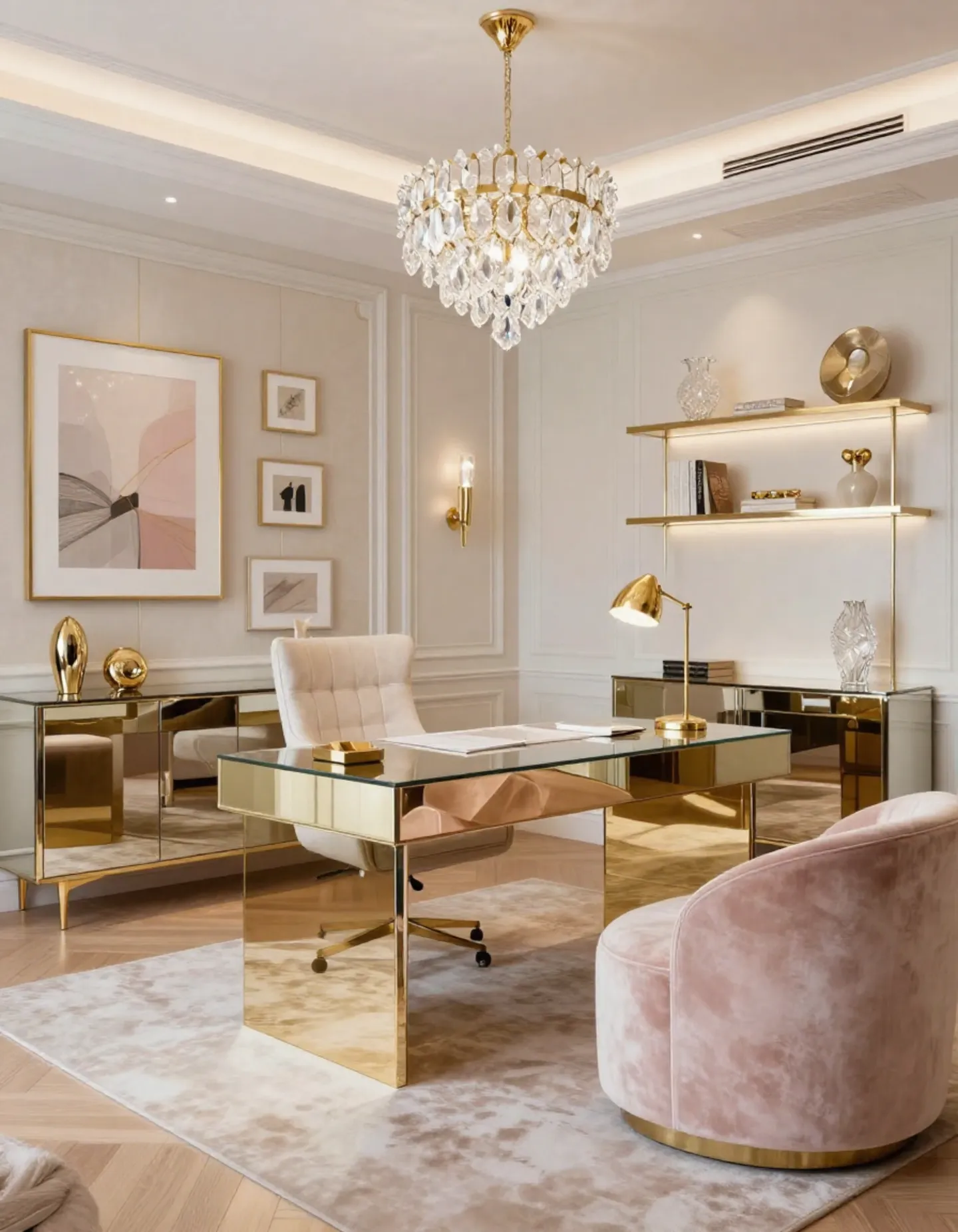
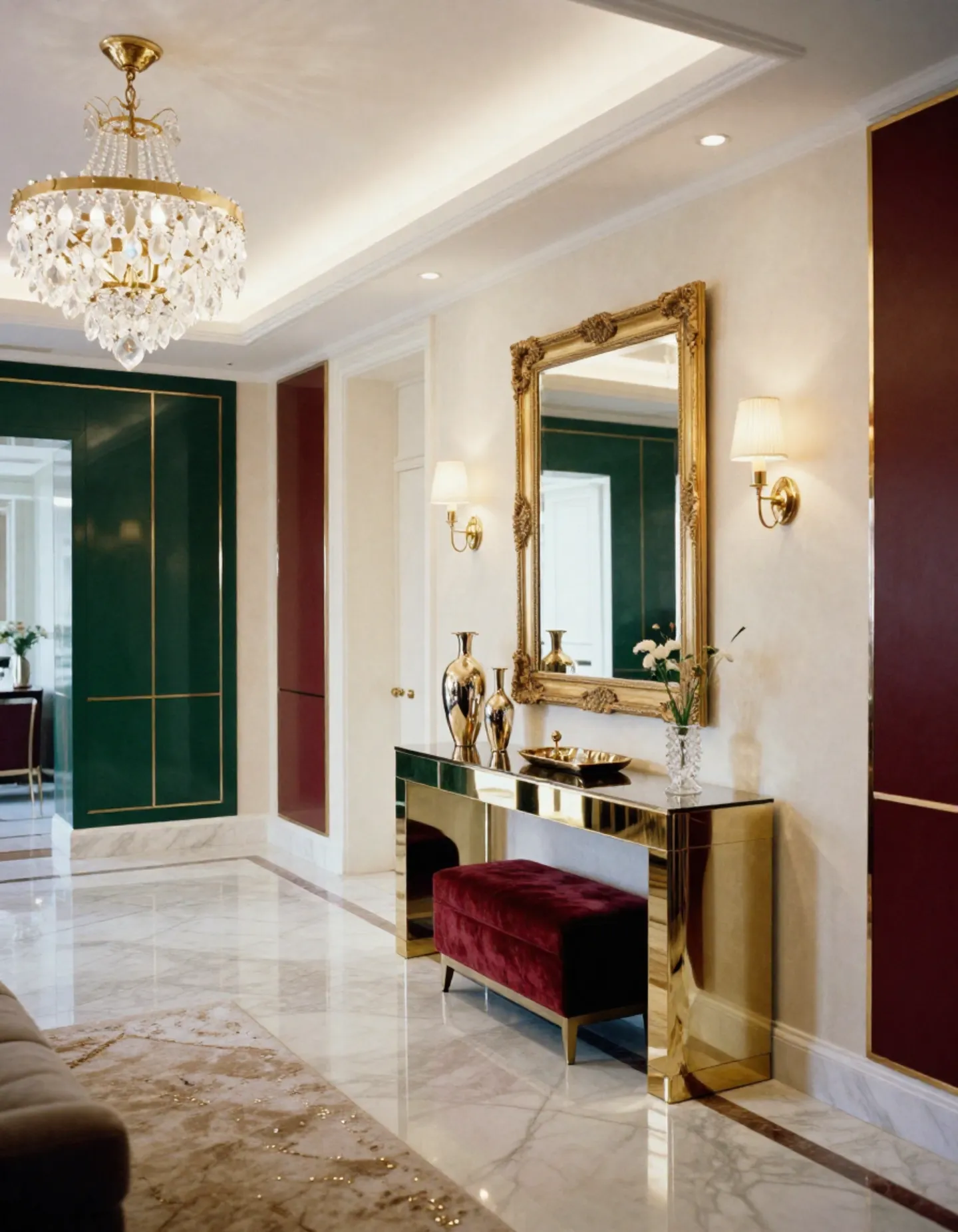
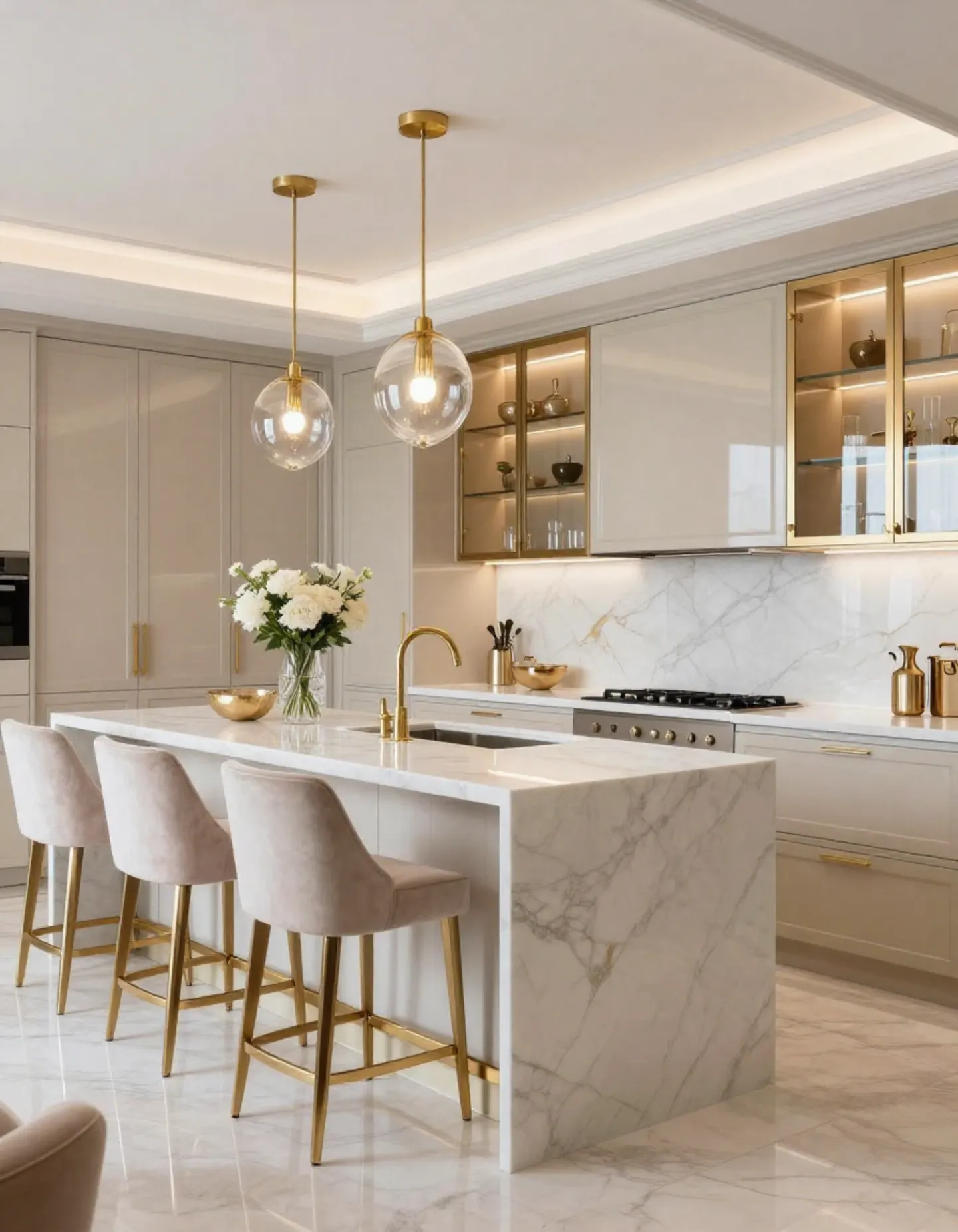
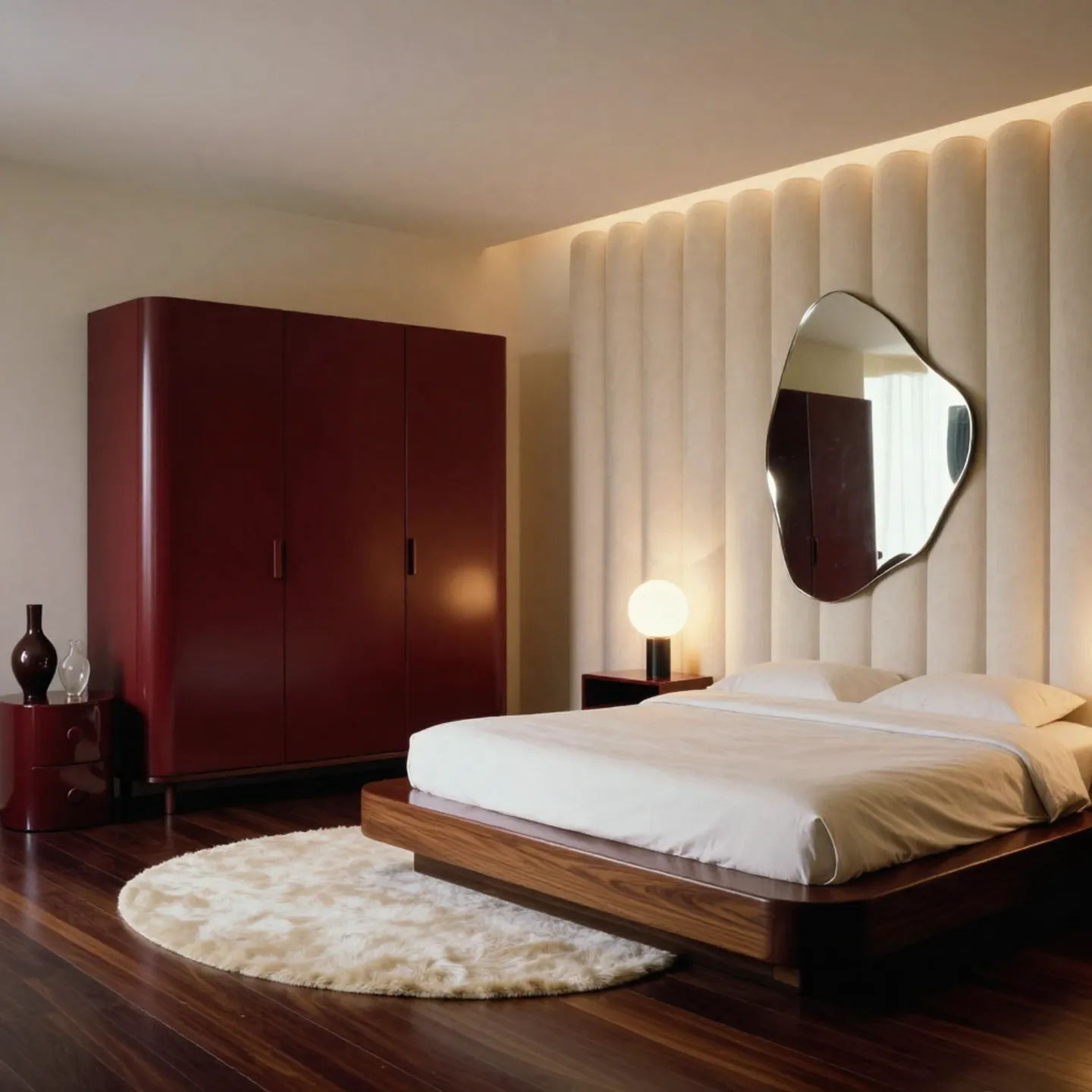
Glamour style is a blend of elegance, luxury, and spectacular shine, inspired by Hollywood’s golden era. It’s characterized by contrasting color combinations—dark, saturated shades like black, burgundy, or purple paired with light tones of white, beige, or pastels. Gold and silver accents and mirrored surfaces emphasize the refined, upscale feel.
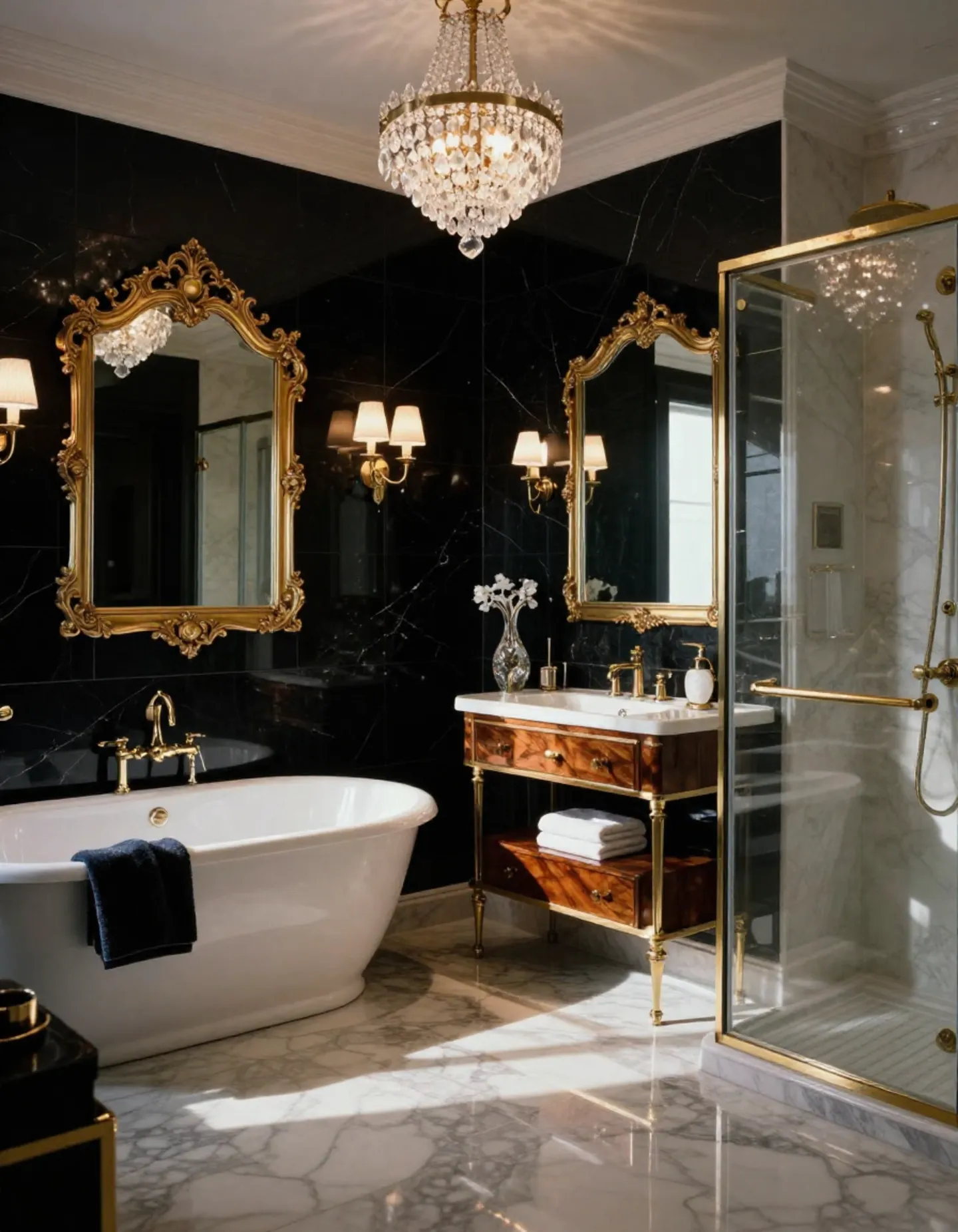
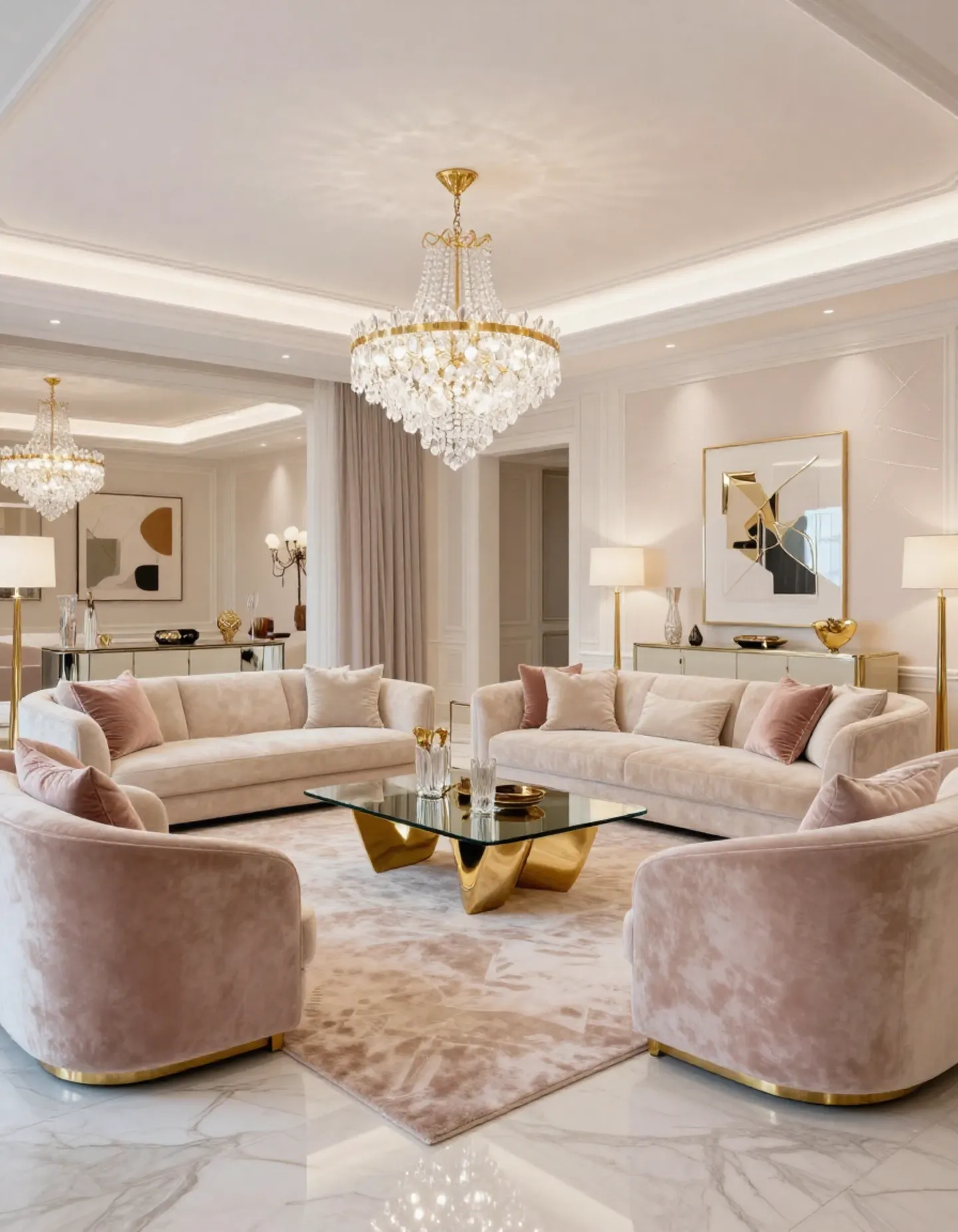
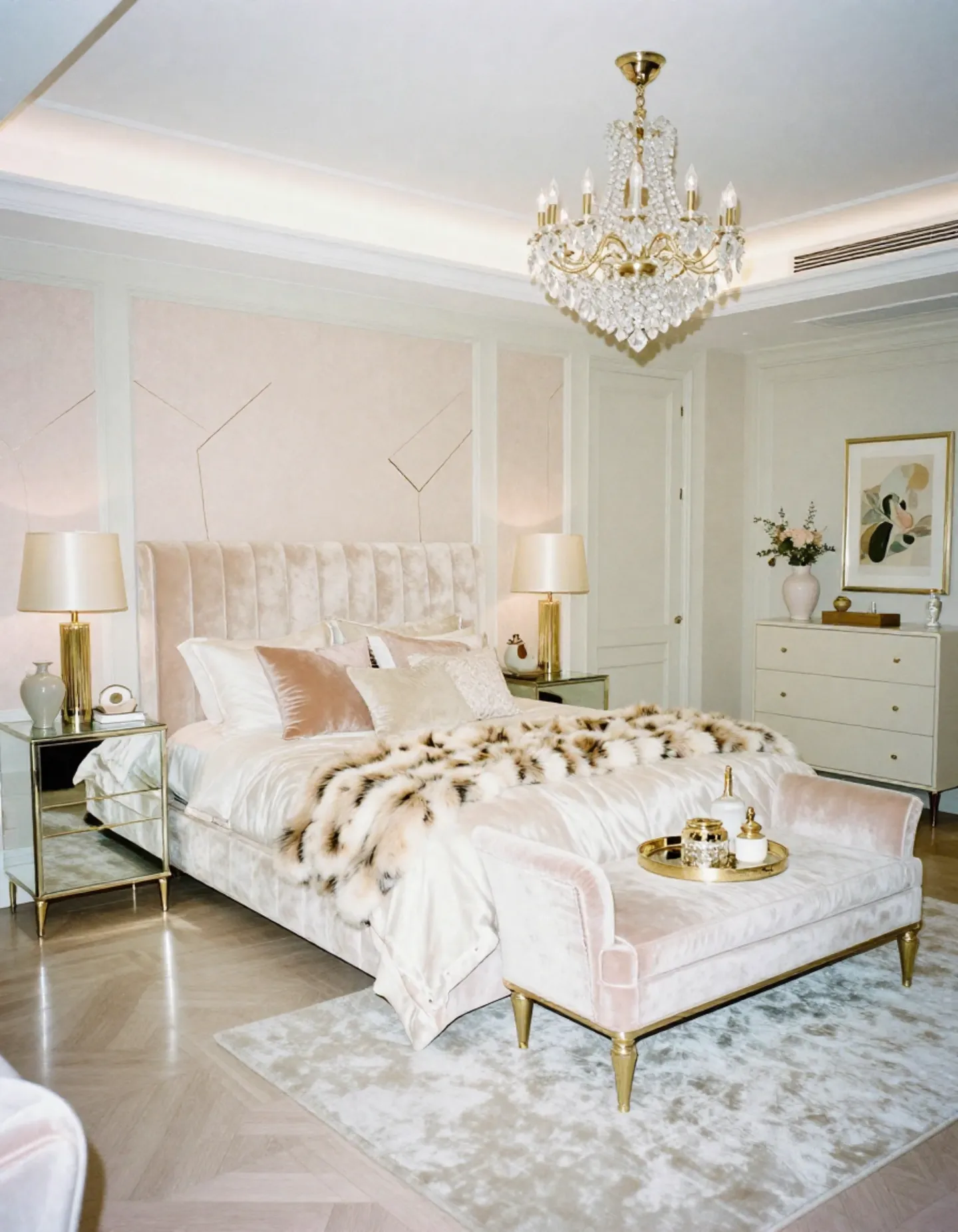
Furniture and accessories in glamour are statement-making: tufted sofas and armchairs with velvet upholstery, marble side tables, and chests or consoles with mirrored or gold details create a luxurious character. The style merges classic forms with modern minimalism, producing a harmonious and attractive contrast. Decorations such as crystal chandeliers, mirrors in ornate frames, elegant vases, and velvet cushions complete the look.
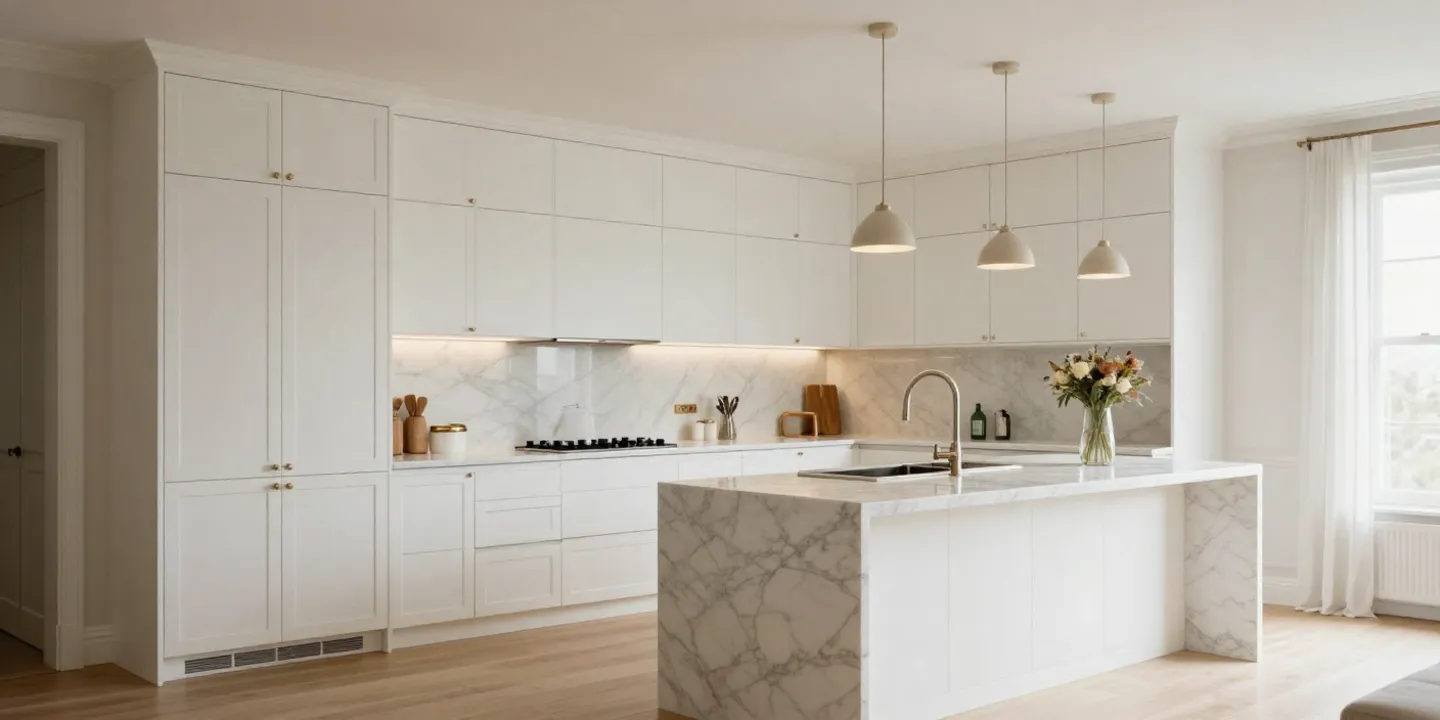
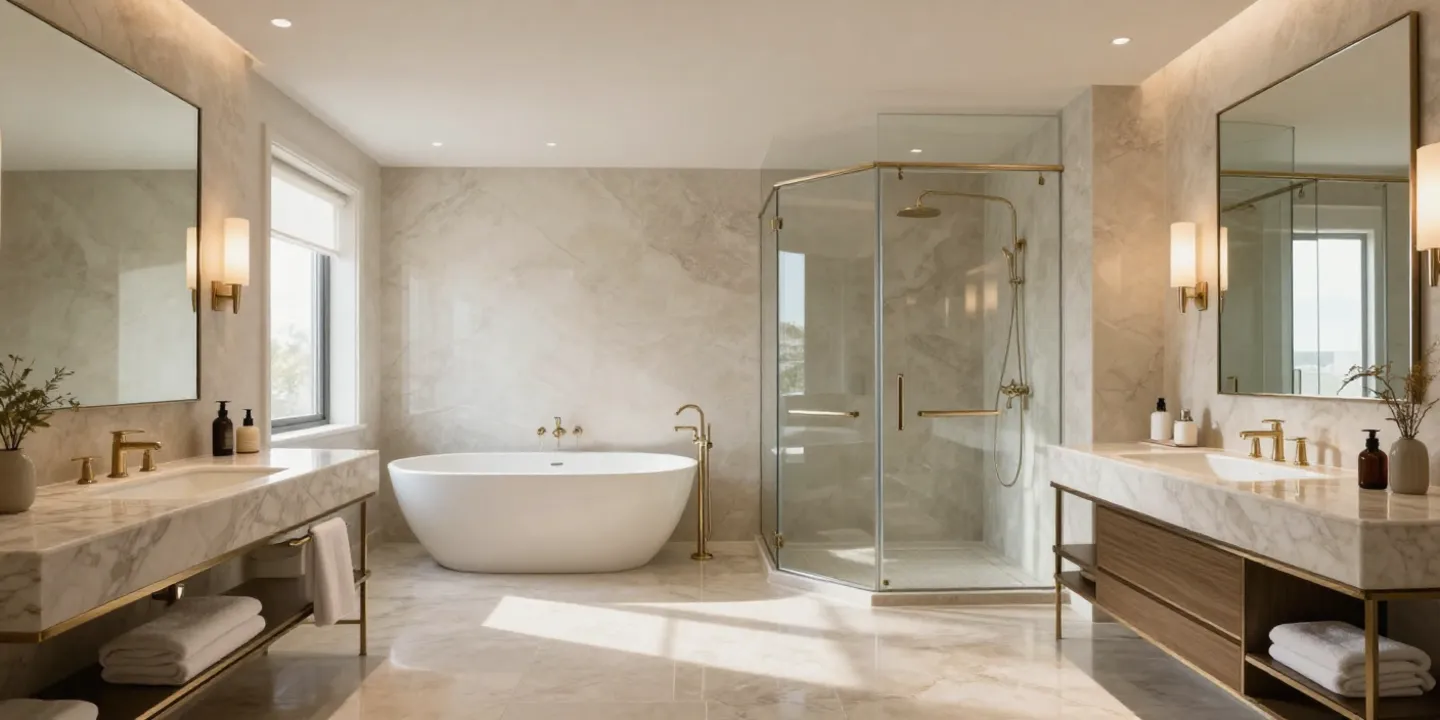
In a glamour living room, the focal point is usually a large sofa paired with a striking coffee table and decorative lighting. The bedroom impresses with a luxurious bed, velvet pillows, and subtle throws. The kitchen combines the simplicity of light cabinetry with glossy accents, while the bathroom becomes a home spa thanks to marble surfaces, a freestanding bathtub, and dramatic mirrors.
Glamour combines sophistication with coziness, luxury with comfort—creating interiors full of sparkle, elegance, and individual character. It’s for people who want their home to be not only a place to rest, but also a stage for everyday Hollywood-style splendor.
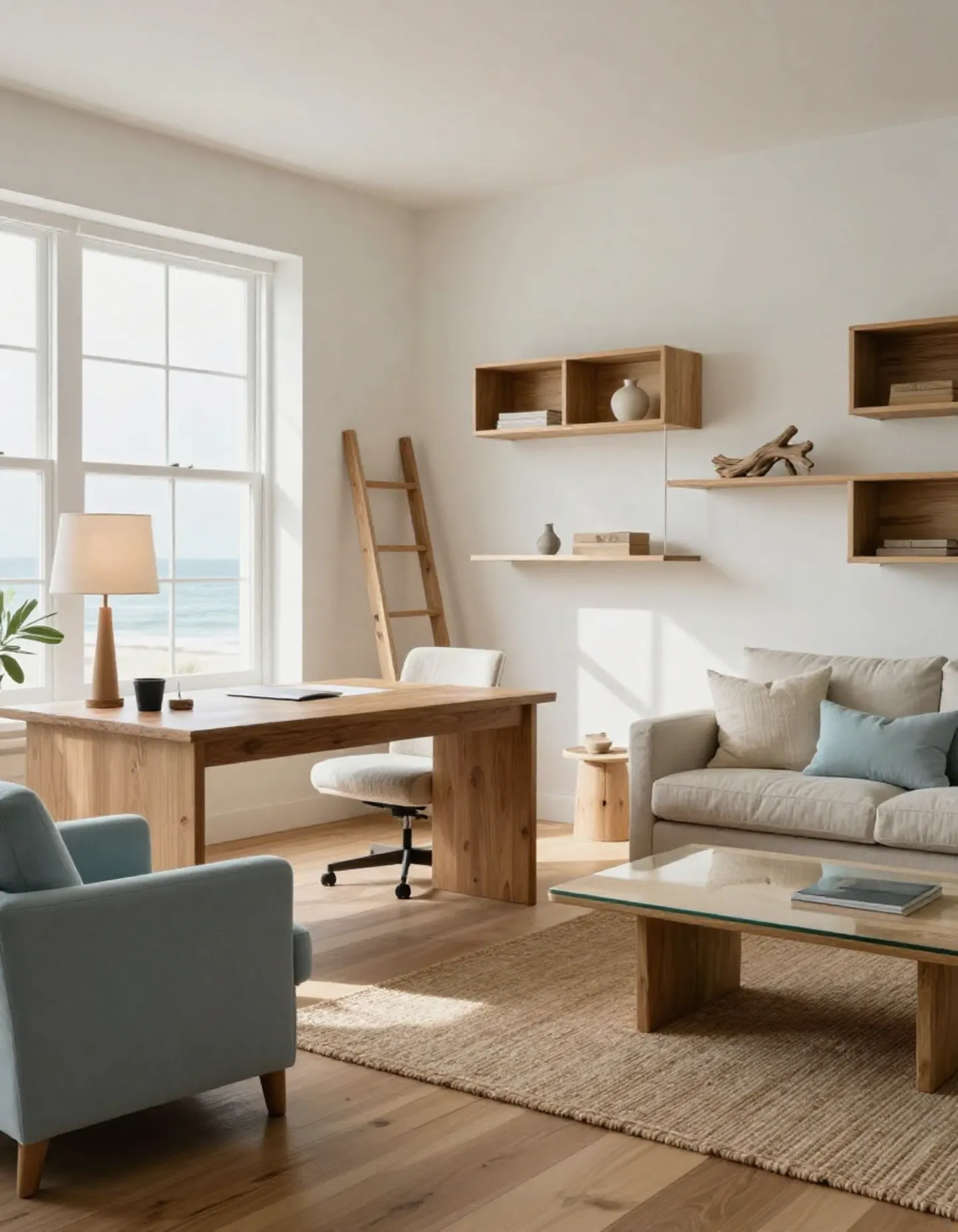
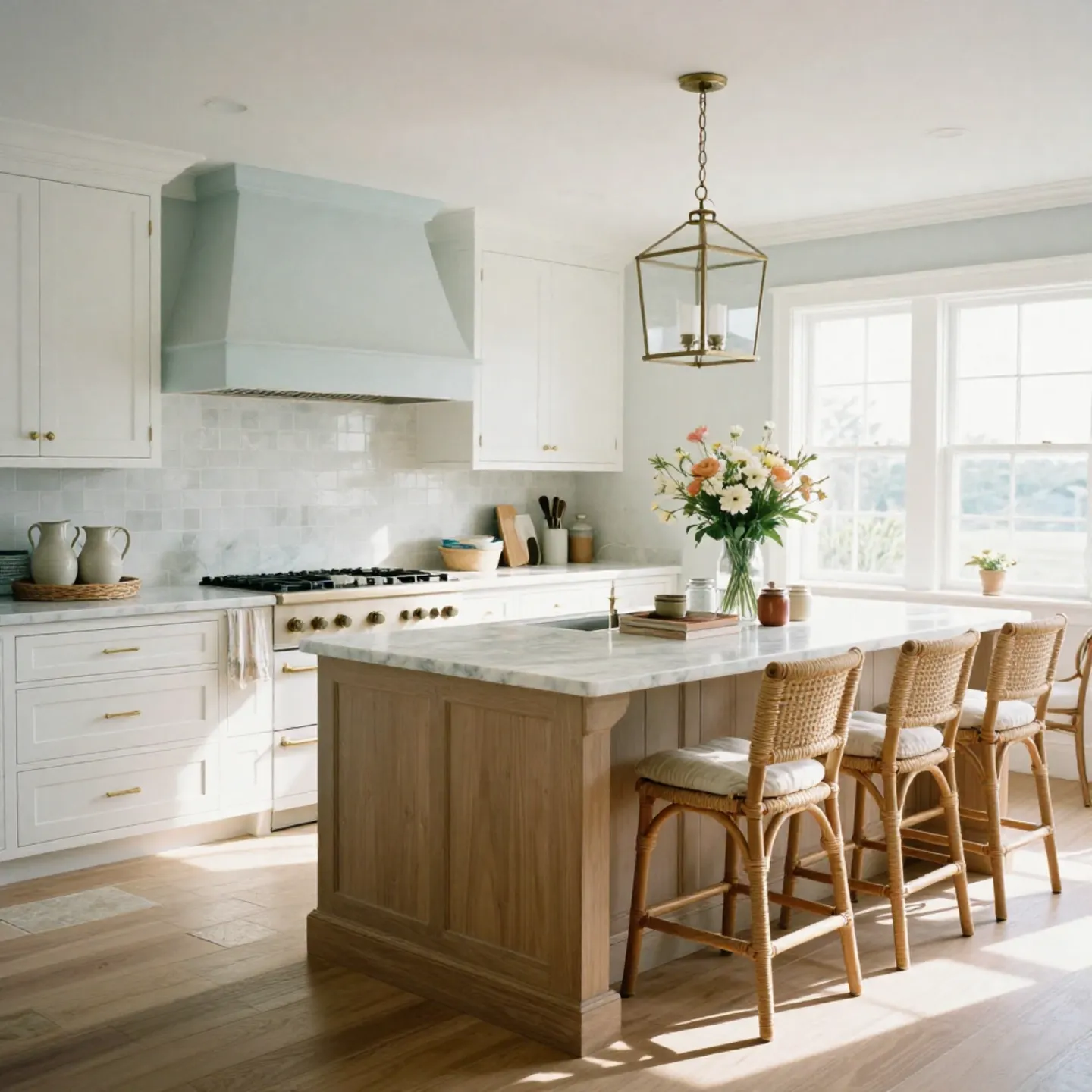
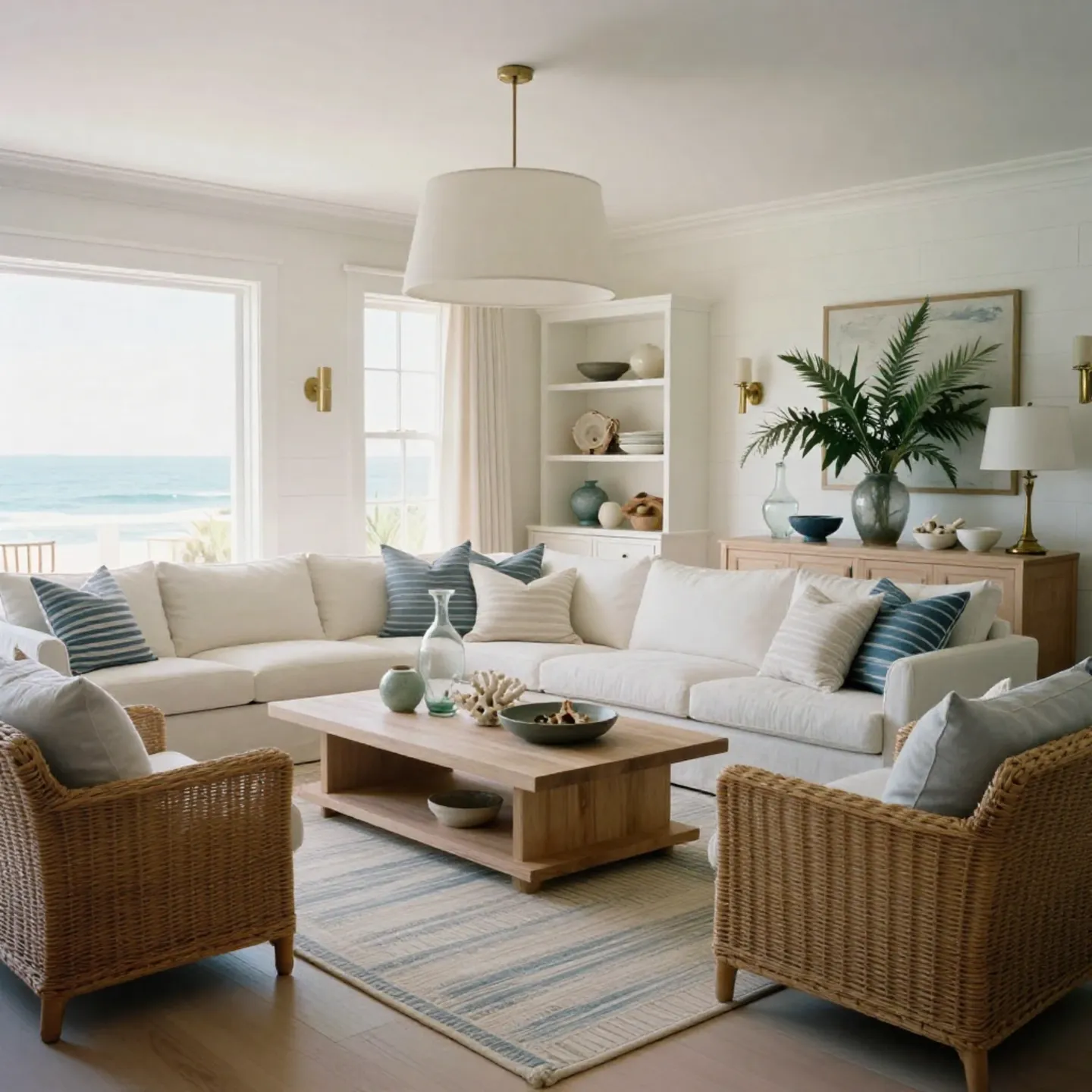
Hampton style is the essence of coastal luxury, where elegance meets comfort and a carefree mood. It comes from the exclusive resorts of Long Island, where home interiors were inspired by a nautical atmosphere. These interiors radiate calm, brightness, and spaciousness, creating a vacation-like, relaxing feel.
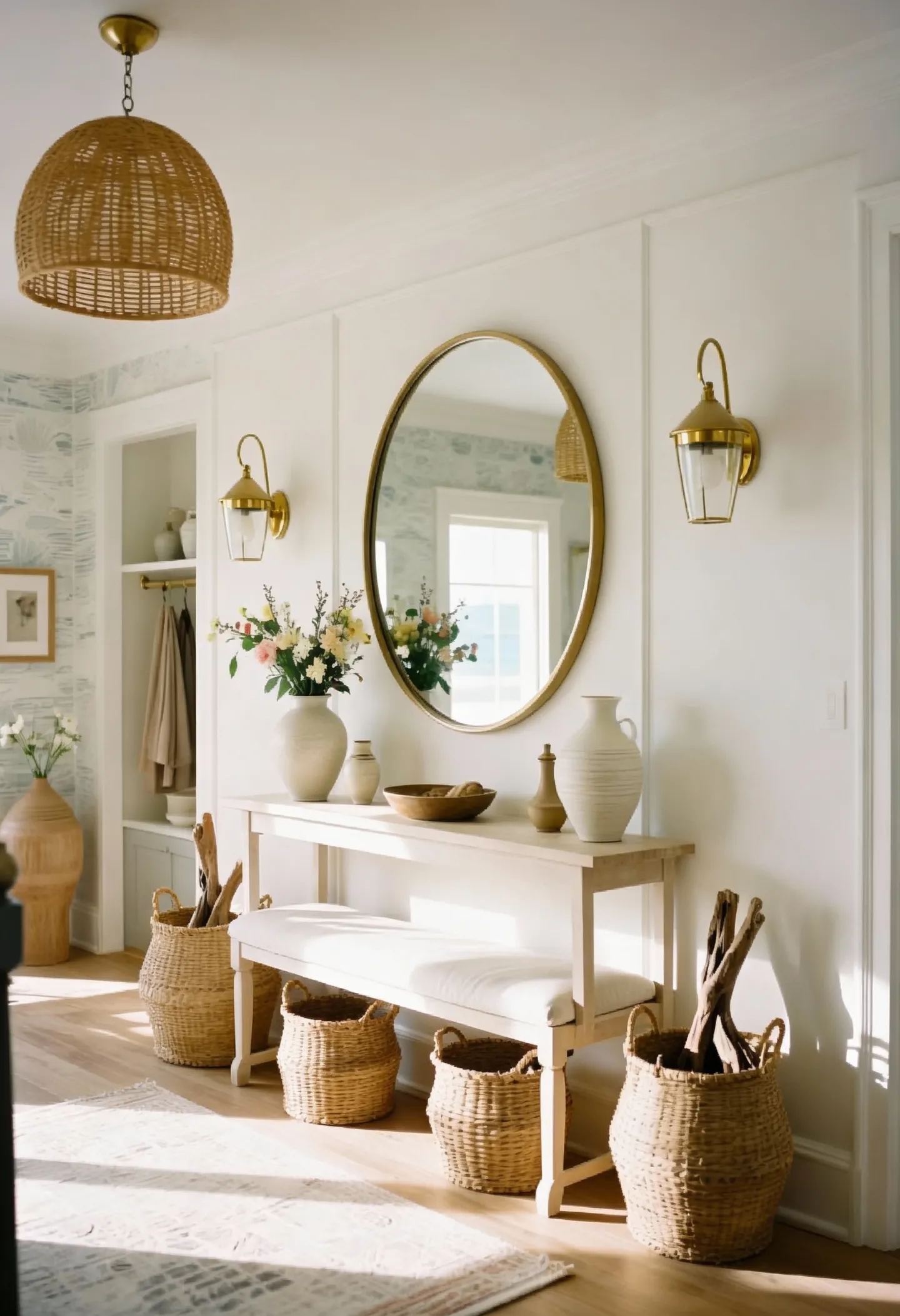
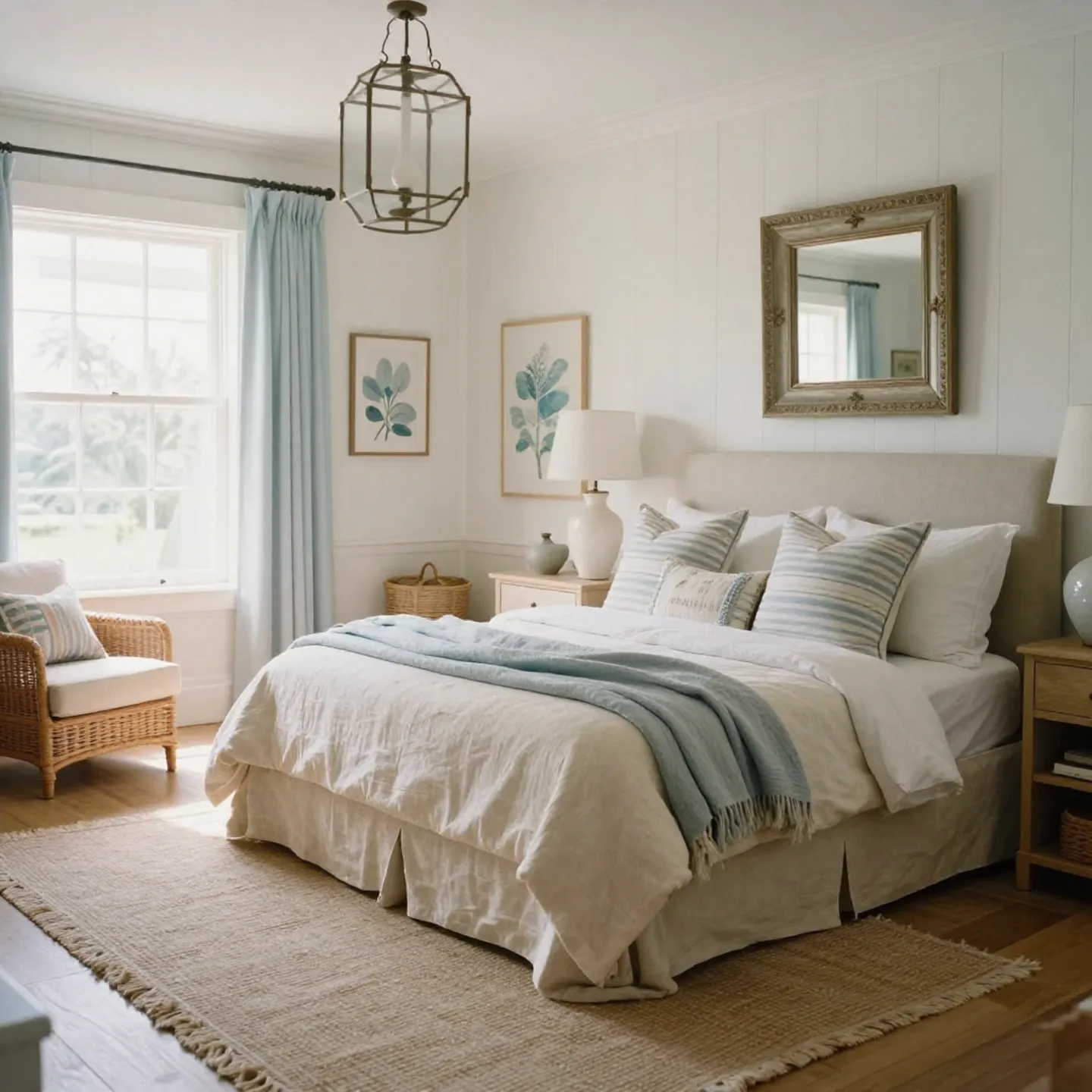
The dominant color palette is white, paired with blues, beiges, and natural wood. Blues appear in fabrics, accessories, and ceramics, adding lightness and freshness. Furniture is comfortable and functional—large sofas and armchairs upholstered in linen or cotton, complemented by cushions and throws in subdued tones. Wooden or wicker elements and subtle antiques add classic elegance without feeling museum-like.
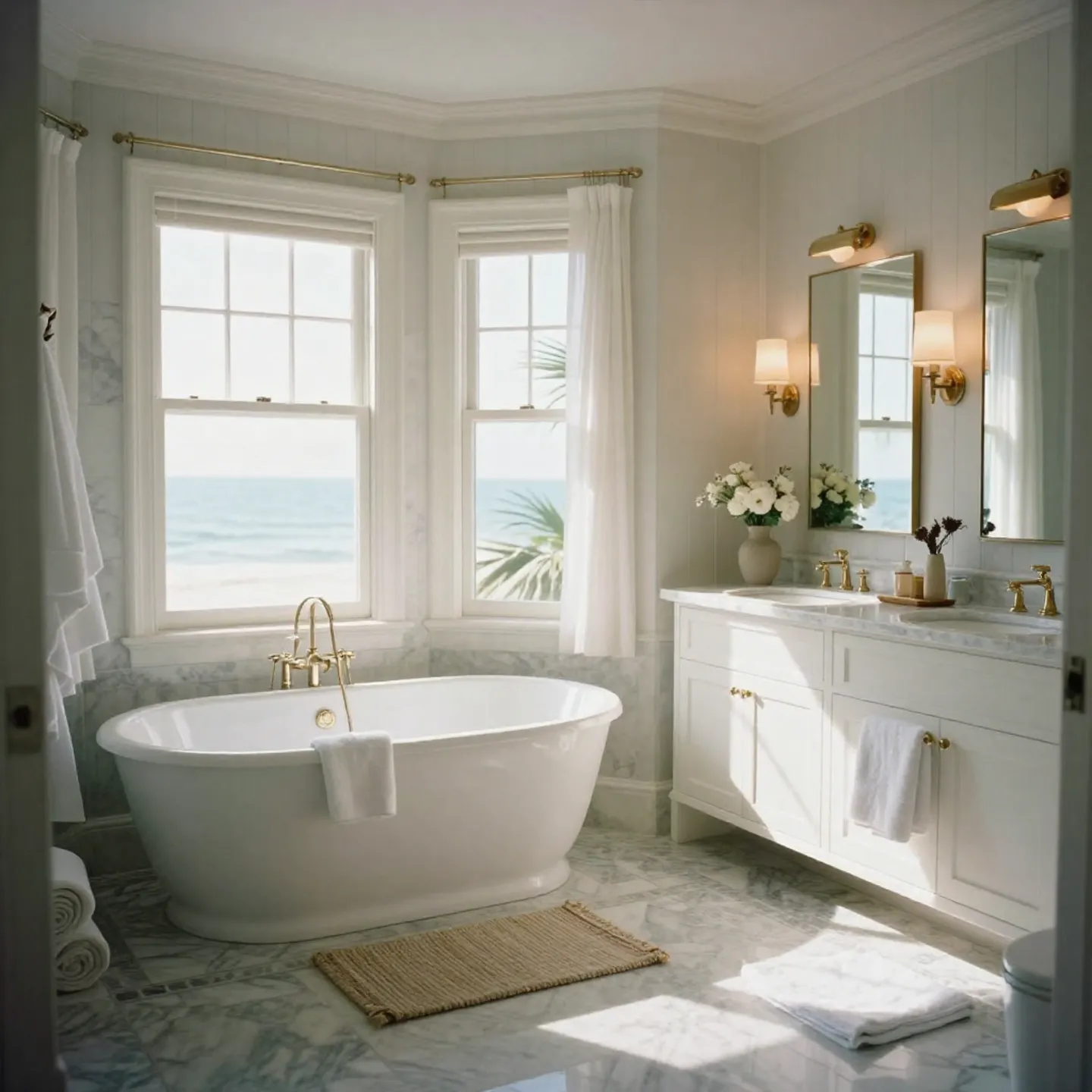
Nautical accents—shells, lanterns, or striped throws—highlight the holiday vibe. Living rooms focus on lounge seating sets; bedrooms stay bright with comfortable beds and linen bedding; bathrooms feature classic forms with herringbone tile. Terraces and balconies become extensions of the interior through lightweight furniture, cushions, and lush greenery.
In a modern take on Hampton, gentle art déco accents and warmer colors—such as lavender, mustard yellow, or chocolate brown—appear while maintaining lightness and elegance. Hampton style blends timeless chic with comfort, creating a space of relaxation, luxury, and natural ease.
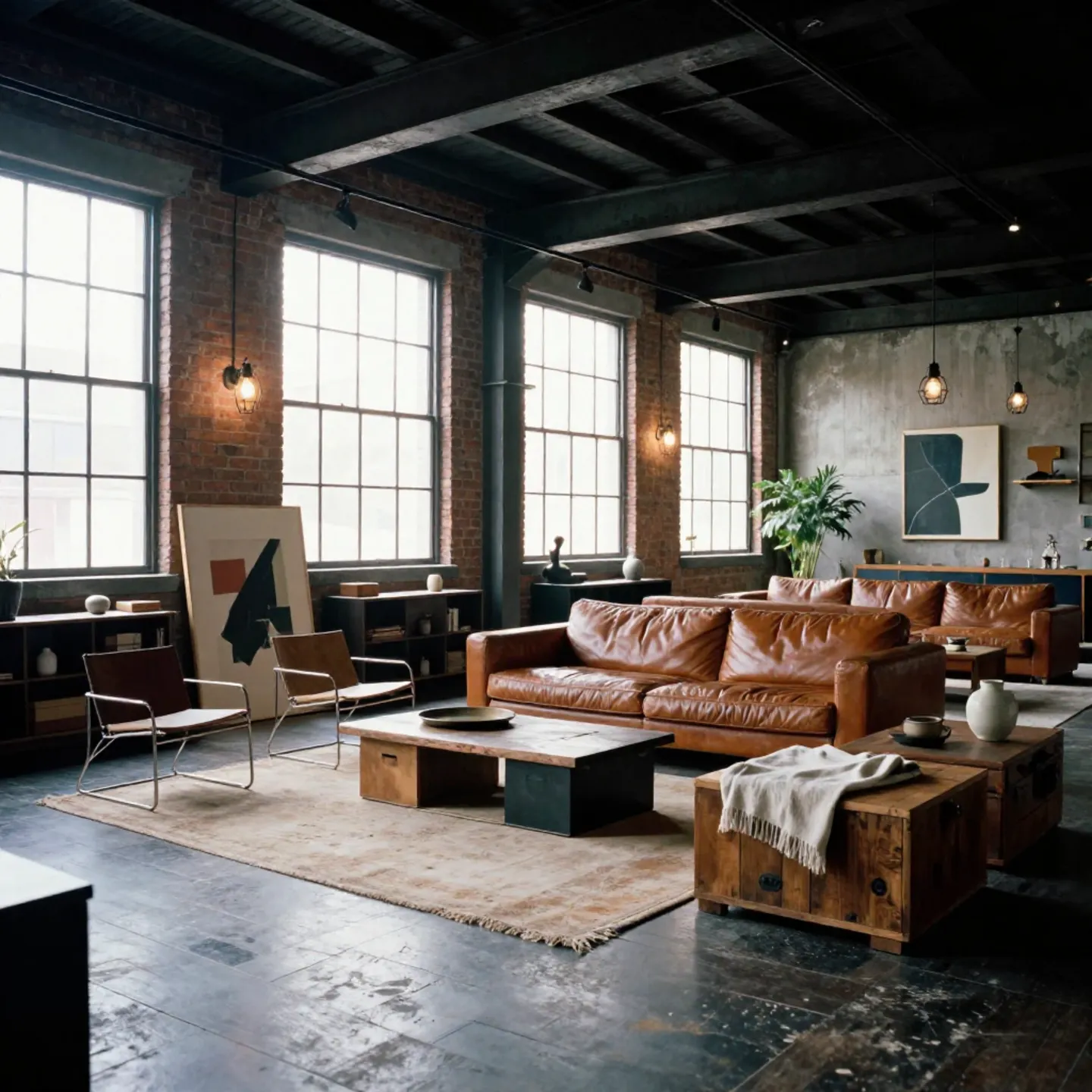
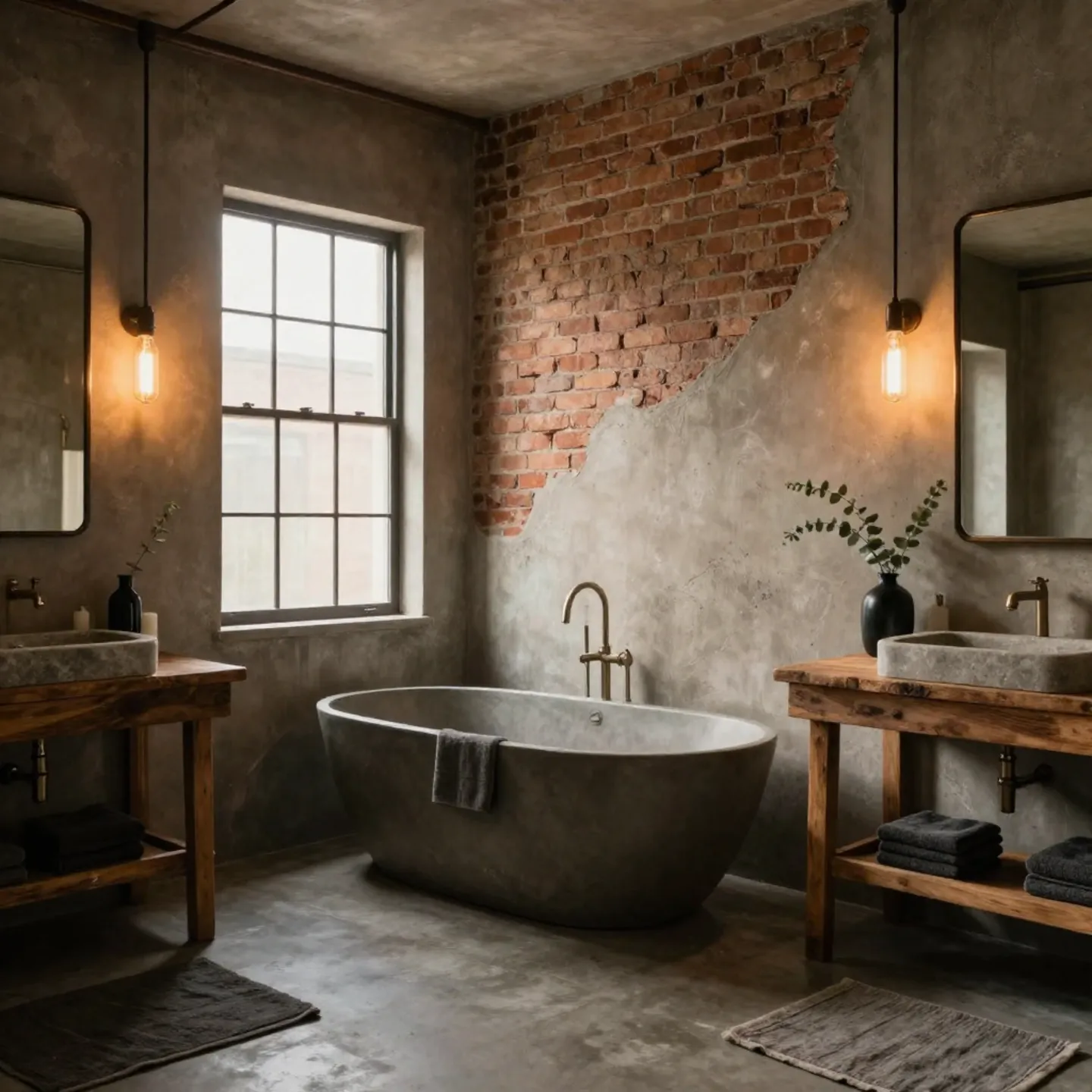
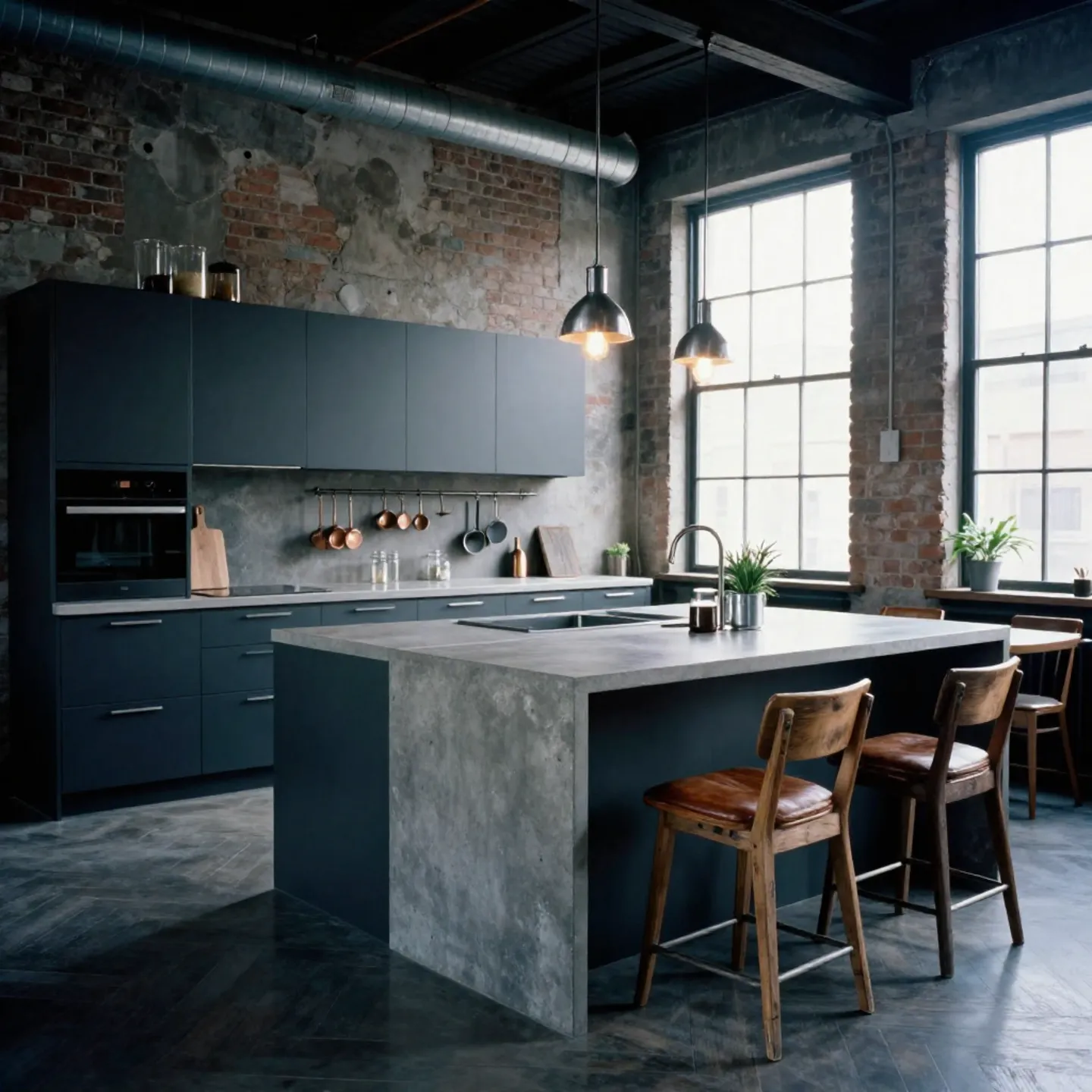
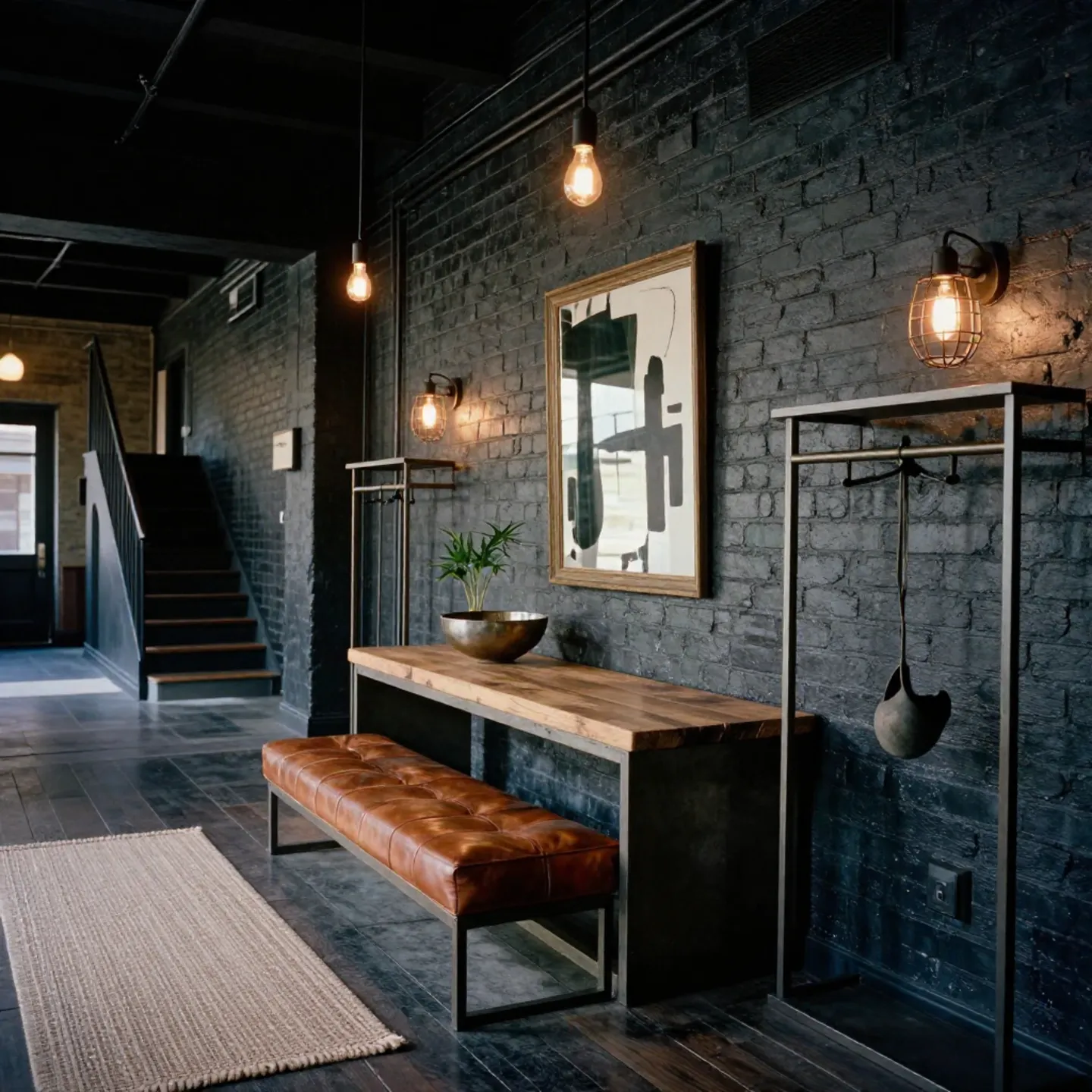
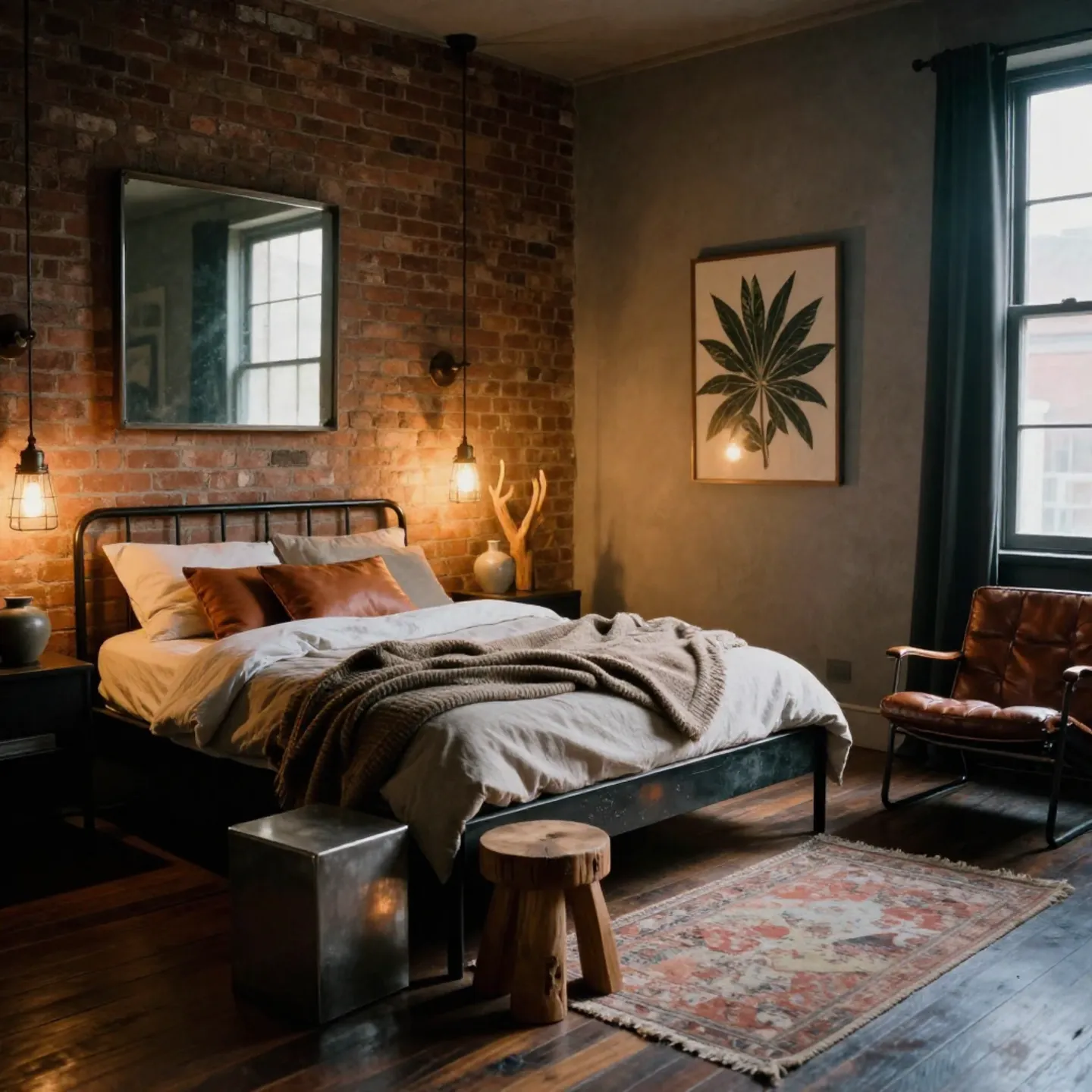
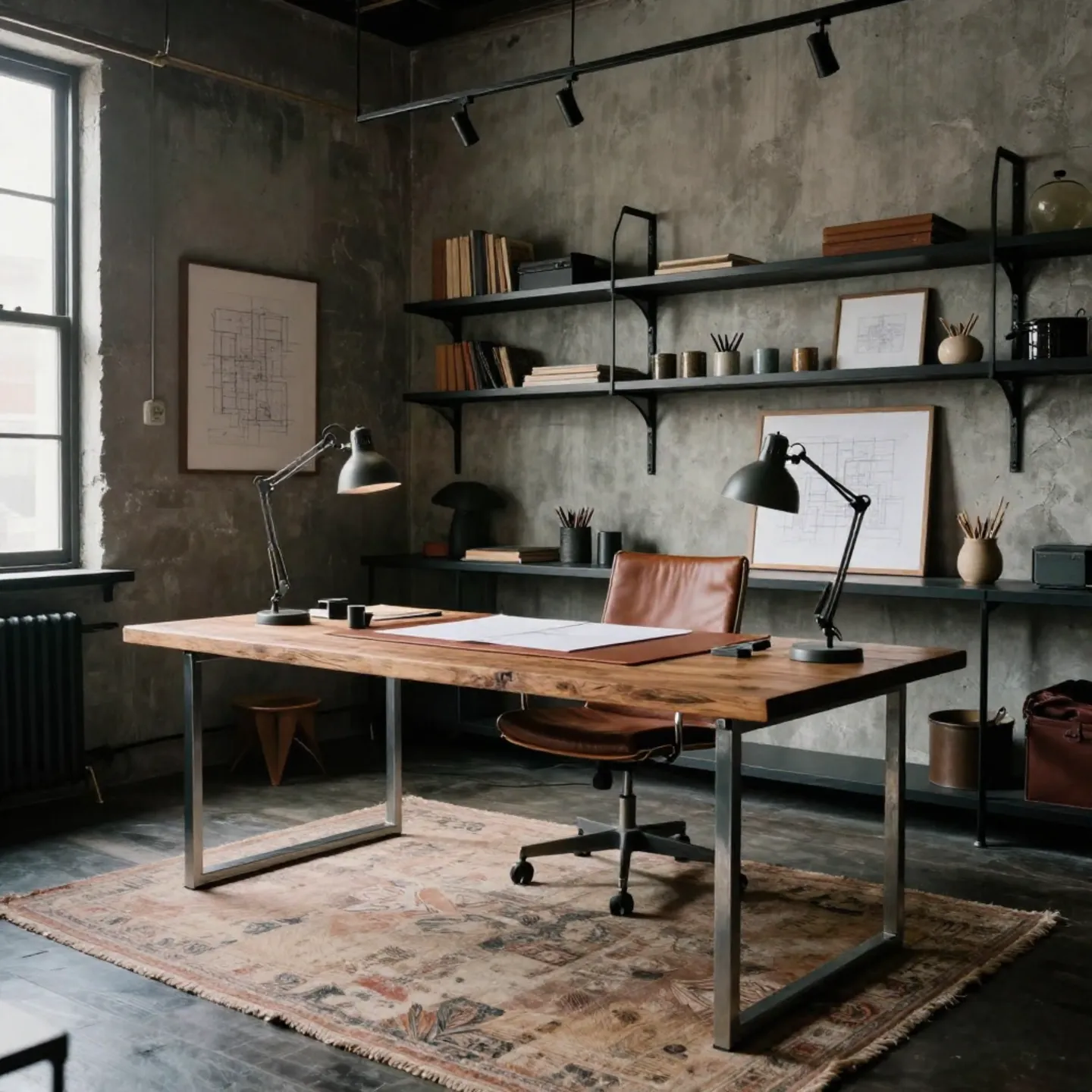
Industrial style, also called loft style, emerged from converting former factory spaces in cities like New York or Berlin. Its character is built on a mix of rawness and functionality—exposed brick walls, concrete floors, high ceilings, and metal elements form a minimalist yet atmospheric space. Loft style isn’t cold; well-chosen furniture and accessories add coziness and personality.
Arrangements are based on simple, solid furniture made of wood, metal, and leather, contrasting with raw surfaces. Colors are subdued—grays, black, browns, and white—sometimes with stronger accents for energy. The loft layout emphasizes open plans, large windows, and high ceilings, supporting light and airflow.
In the living room, the central point is oversized sofas and steel-legged tables, around which functional zones are created. Industrial-inspired decor—lamps, shelving, graphics, or neon signs—adds character. Raw materials pair with cozy additions: rugs, cushions, plants, and designer touches.
Loft kitchens are open, often with an island and industrial lighting. Tall spaces allow for mezzanines—bedrooms, offices, or libraries—without disrupting the raw character. Potted plants add freshness and life, and a lighter palette plus exposed industrial elements can capture the spirit even in smaller spaces. Industrial style combines functionality, boldness, and spaciousness to create interiors that are daring, balanced, and comfortable.
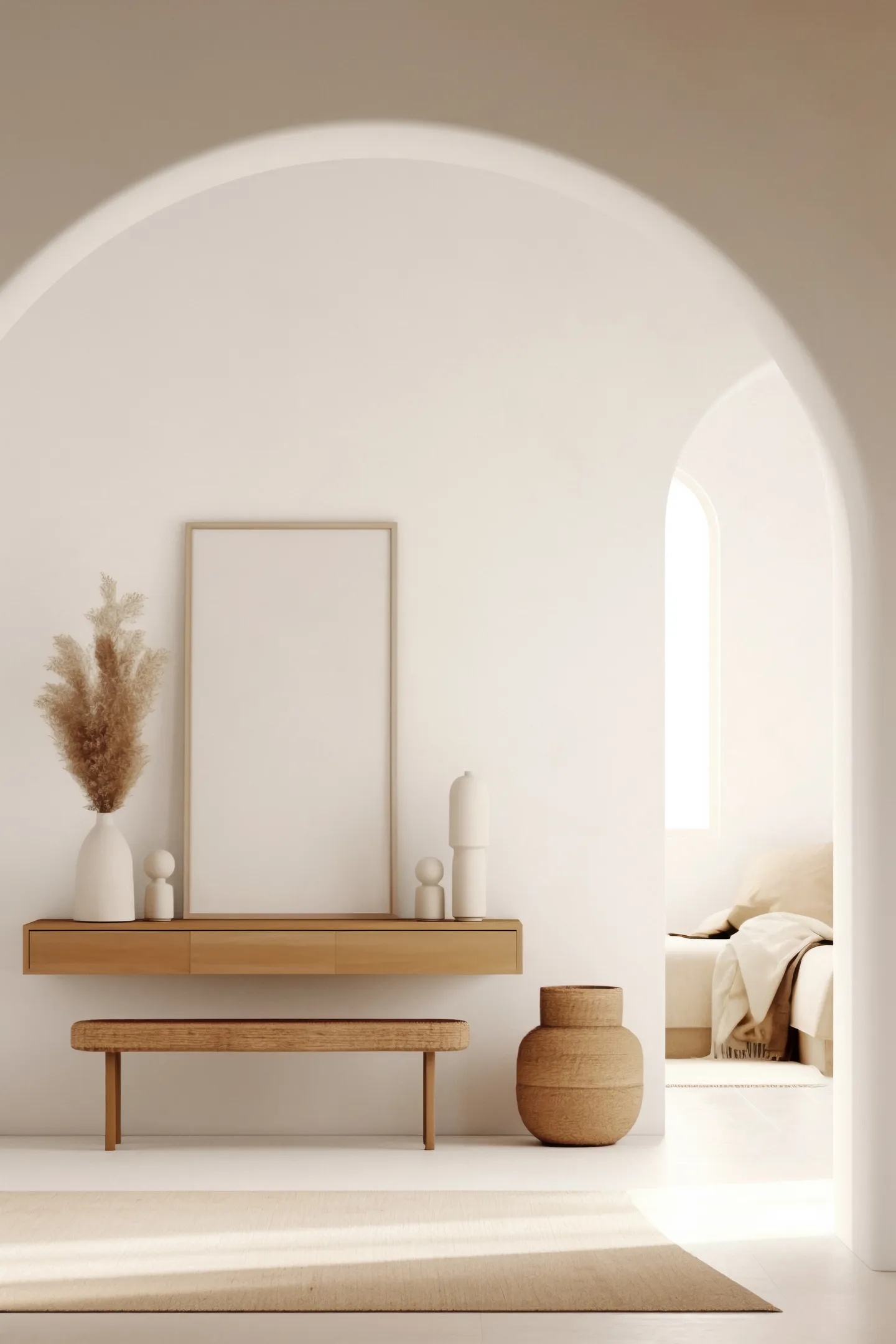
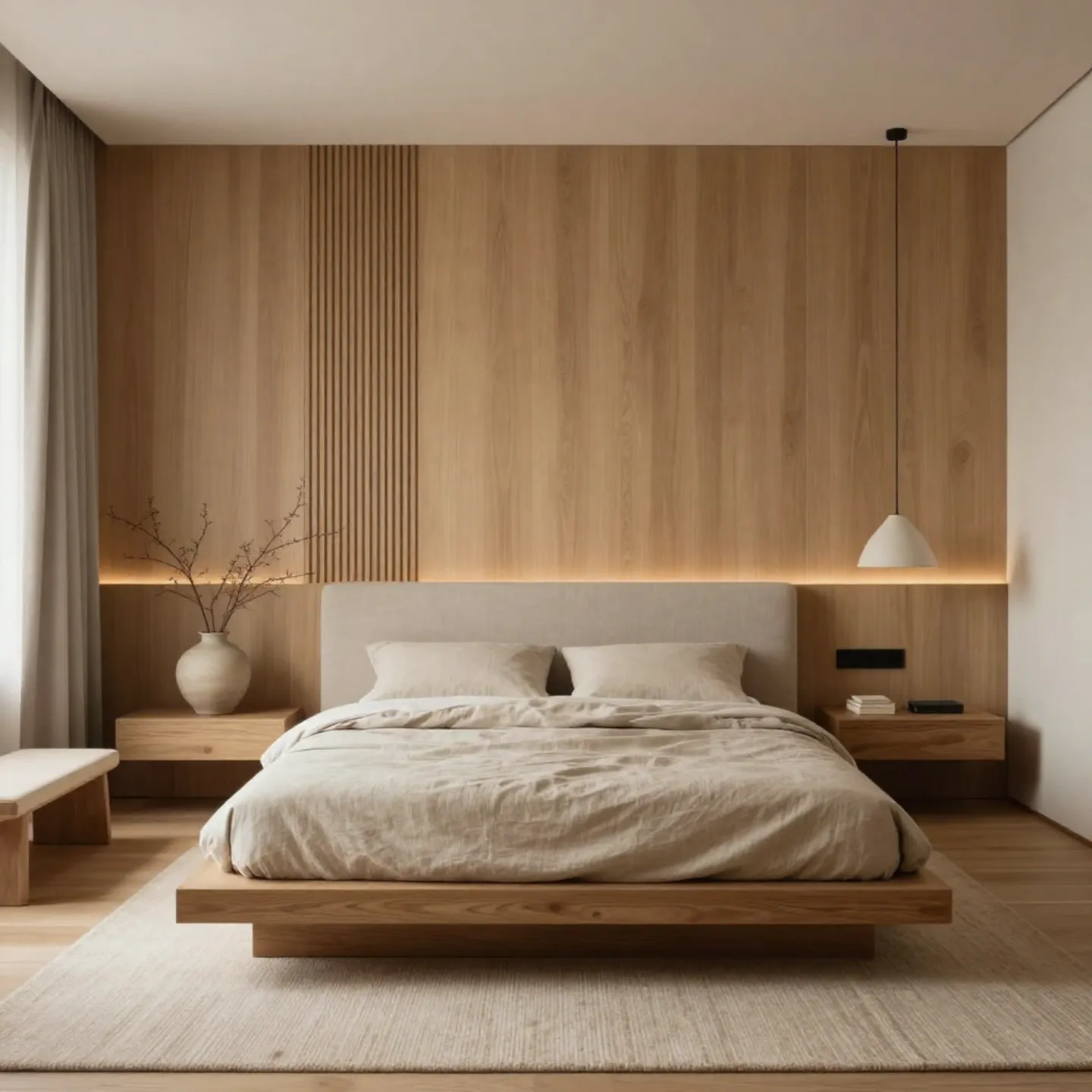
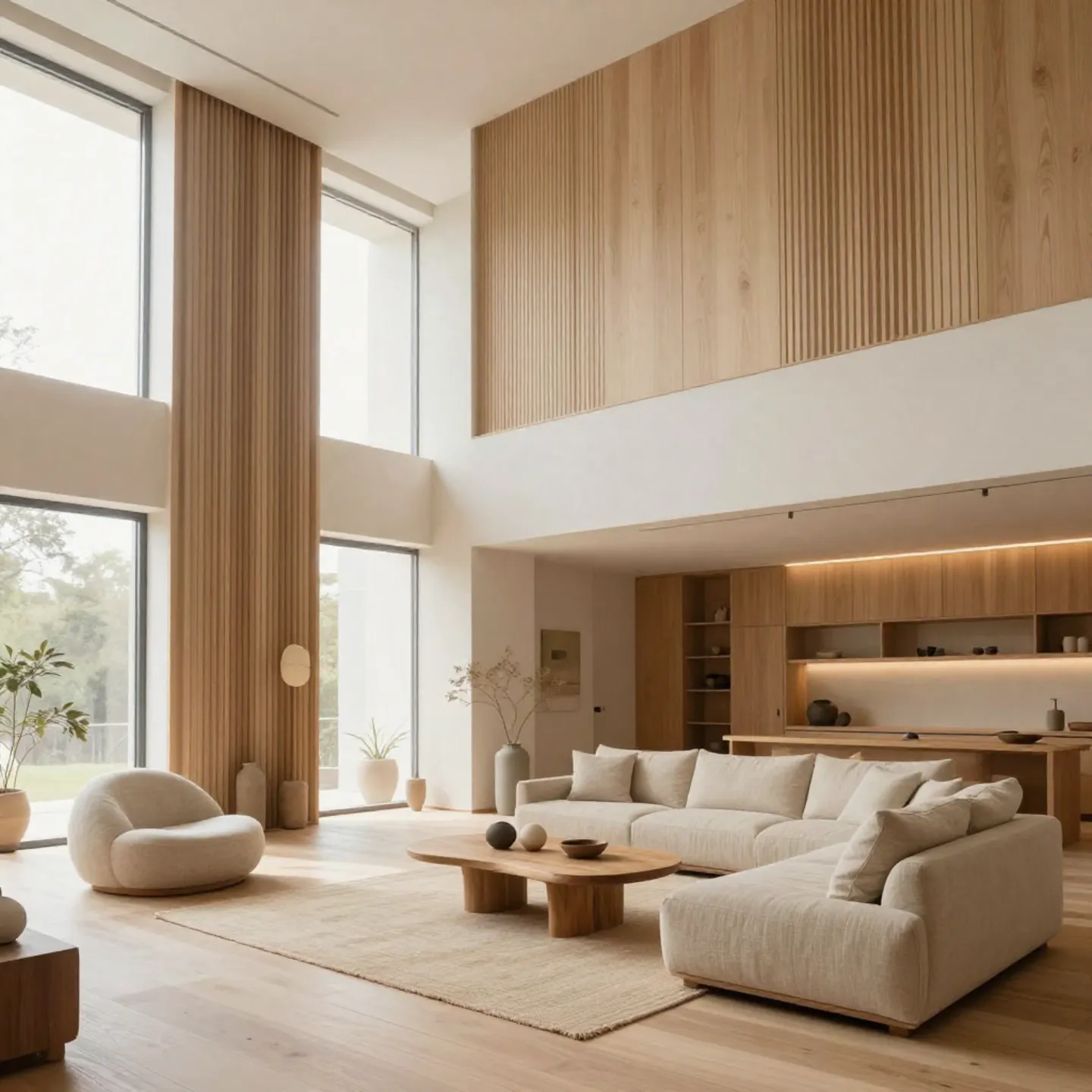
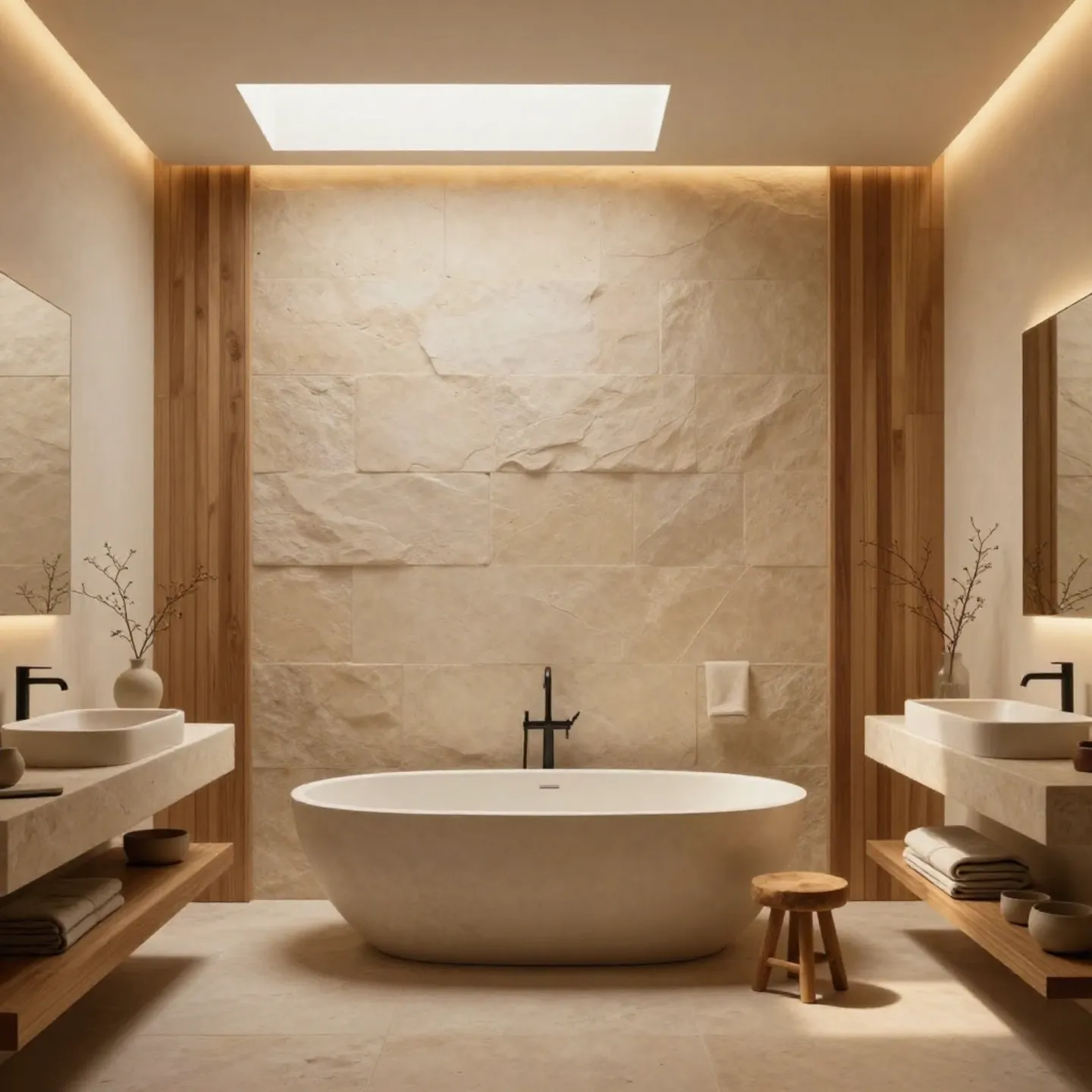
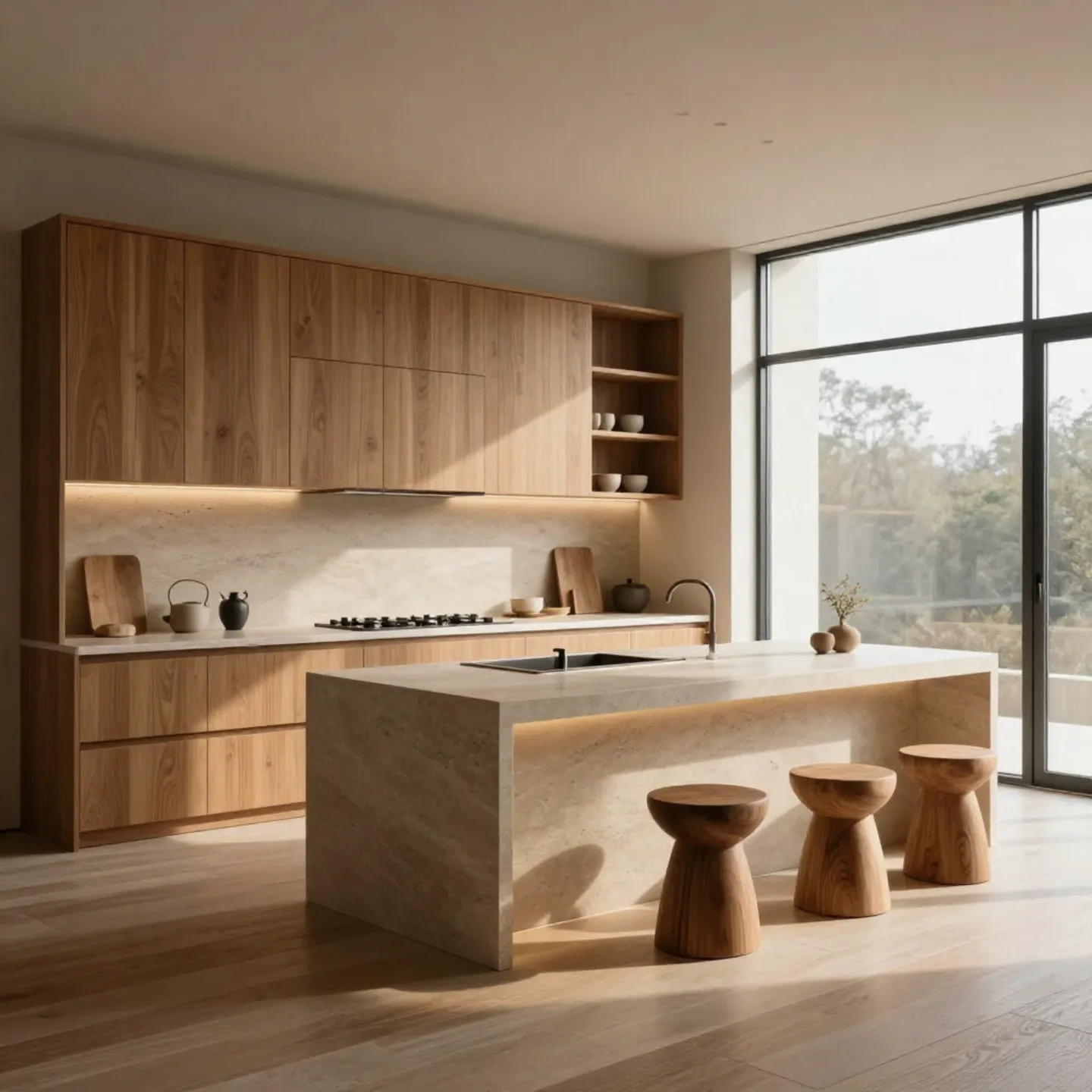
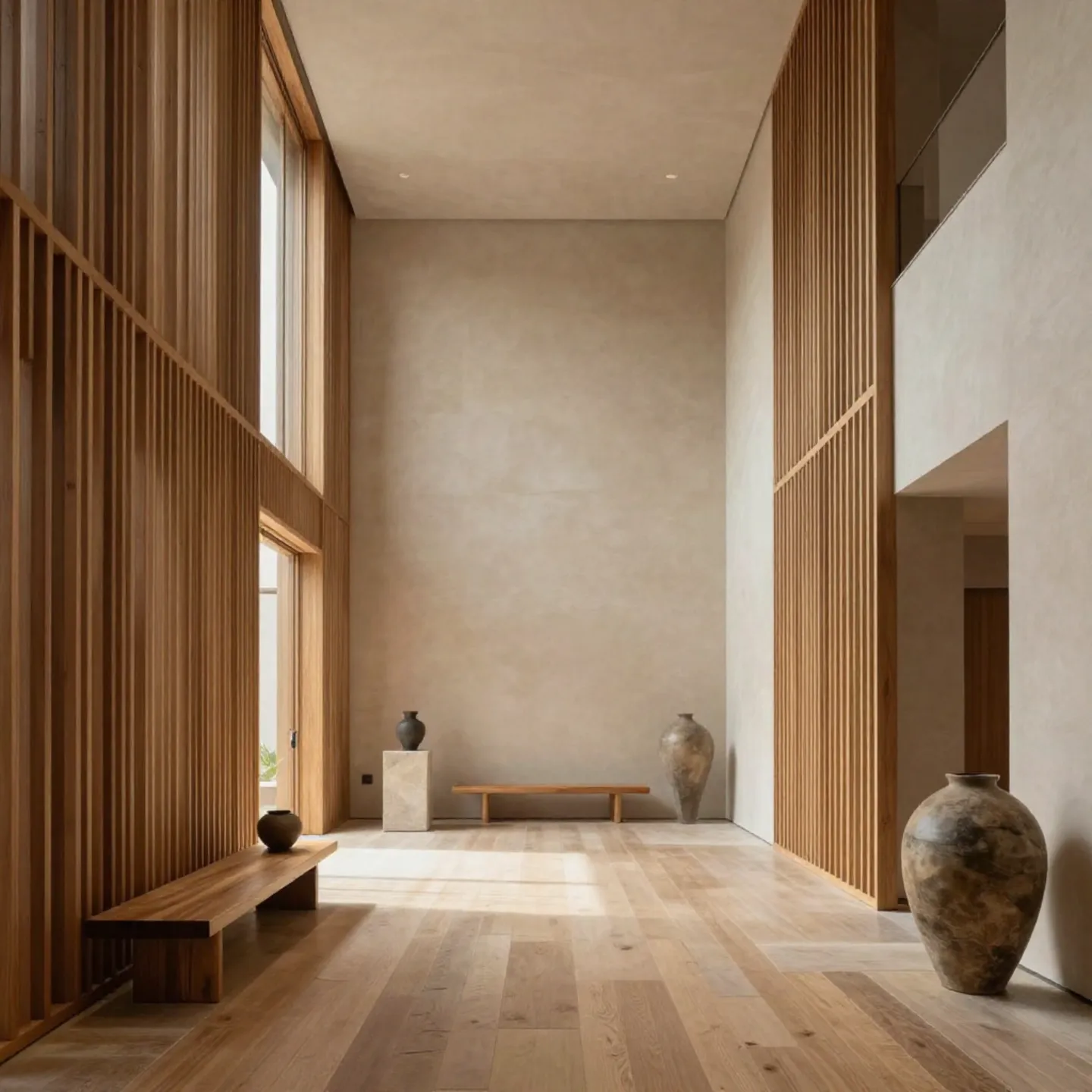
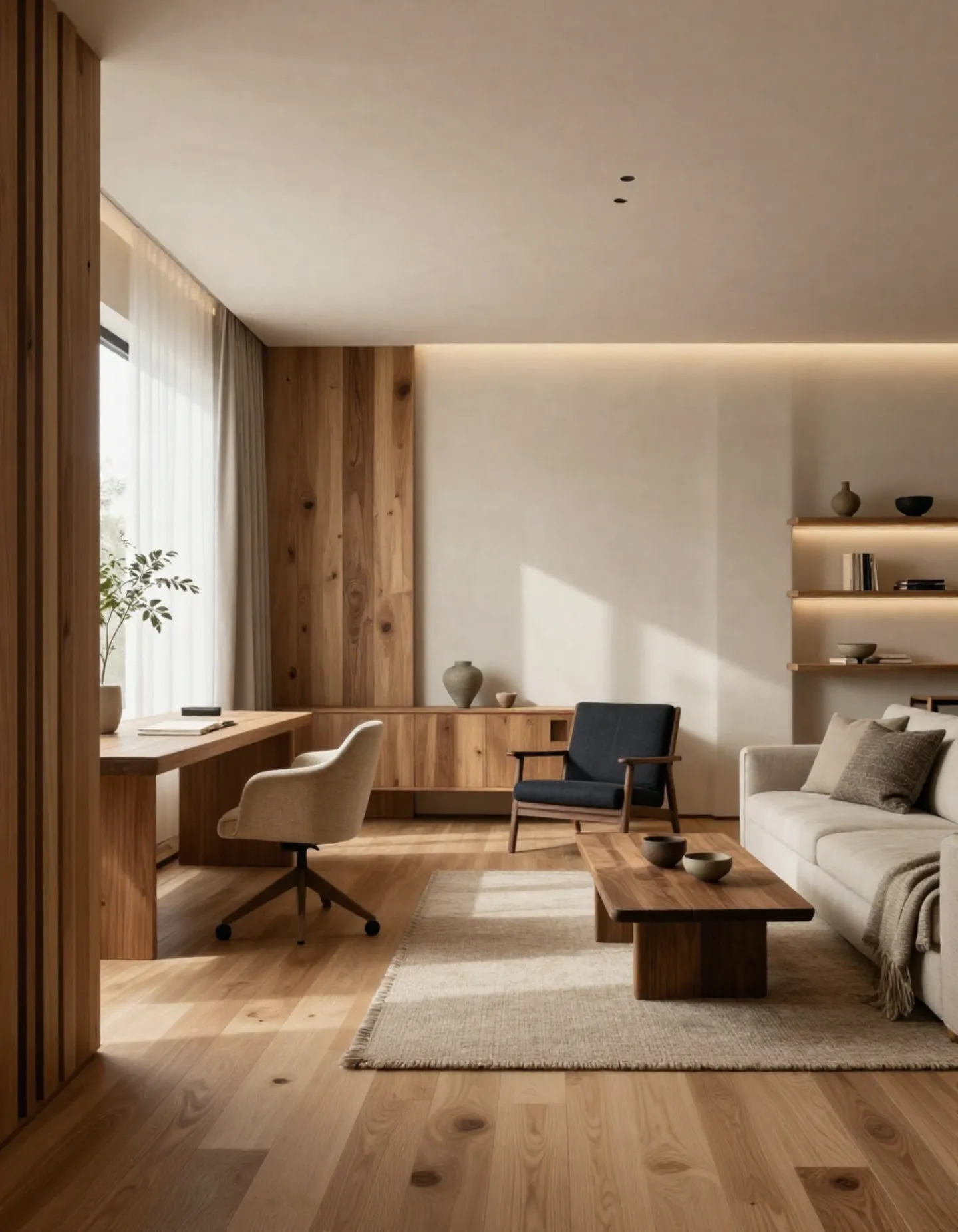
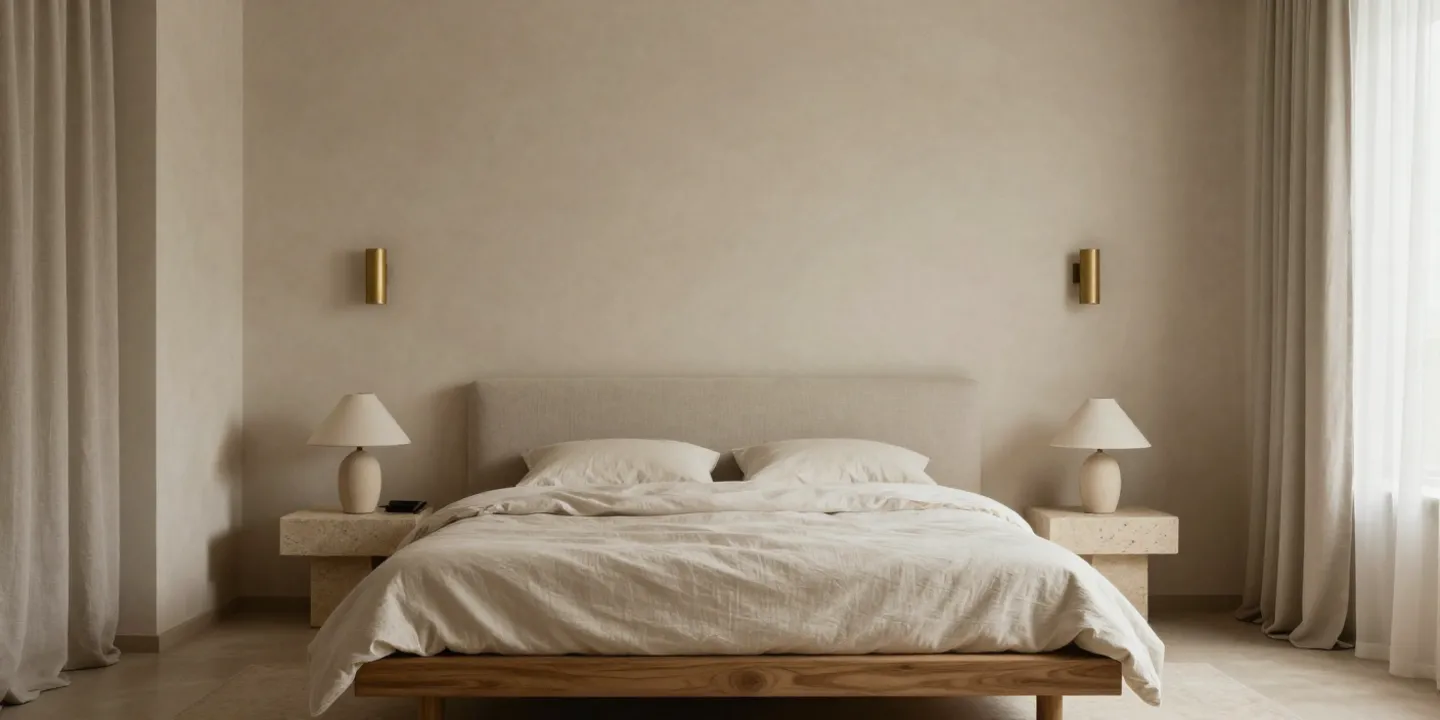
Japandi style is a harmonious combination of Japanese simplicity and Nordic coziness, creating interiors that are calm, balanced, and full of natural beauty. Its essence is minimalism rooted in functionality, but without coldness—warm wood, soft textiles, and subtle details bring a sense of everyday comfort.
Japandi color schemes use neutral, muted shades: beiges, sandy tones, off-white, warm gray, and smoky black. These create a calm backdrop for natural materials—light and dark wood, bamboo, ceramics, stone, and linen. The interiors reflect Japanese austerity and Scandinavian practicality: forms are simple, low, visually light, and every item has a purpose, avoiding excess and random decoration.
Japandi furniture features soft, organic lines and natural materials. Wooden tables and benches, low beds, light shelving, and textiles with clear, natural texture dominate. Instead of loud ornaments, there are a few deliberate accents—minimal ceramics, handmade vases, natural branches, or subtle prints in a restrained palette.
Light plays a major role: rice-paper lamps, linen shades, and soft lighting create a quiet, peaceful home atmosphere. Plants are used sparingly—more often a single striking specimen than a lush collection—referencing the Japanese art of arranging nature.
Japandi works well in both spacious modern interiors and small apartments, because it prioritizes function, restraint, and harmony. It’s ideal for people who want a minimalist but warm space; orderly but not sterile; elegant but free from unnecessary extravagance. Japandi helps slow the pace, bring balance into the home, and enjoy the beauty of simplicity every day.
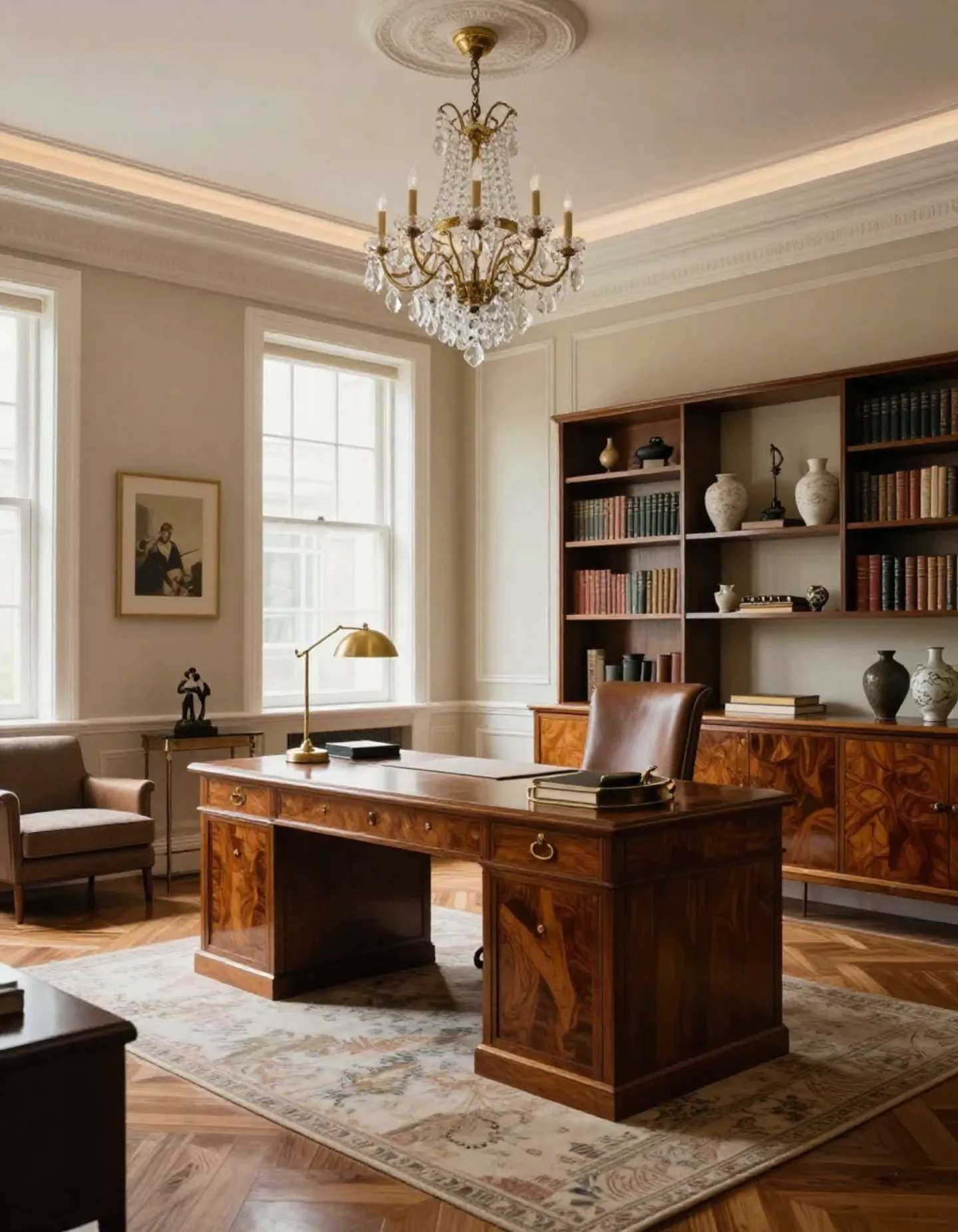
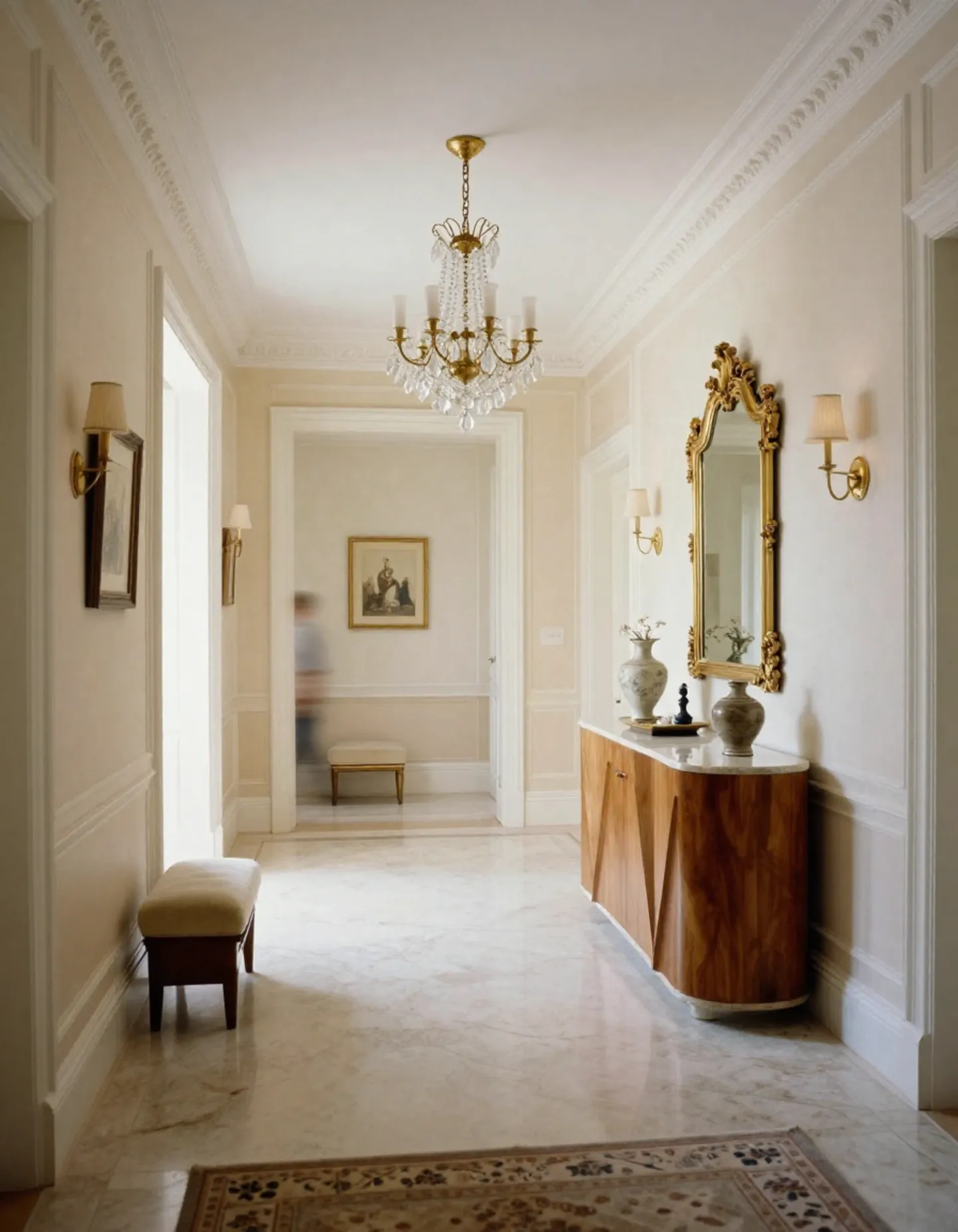
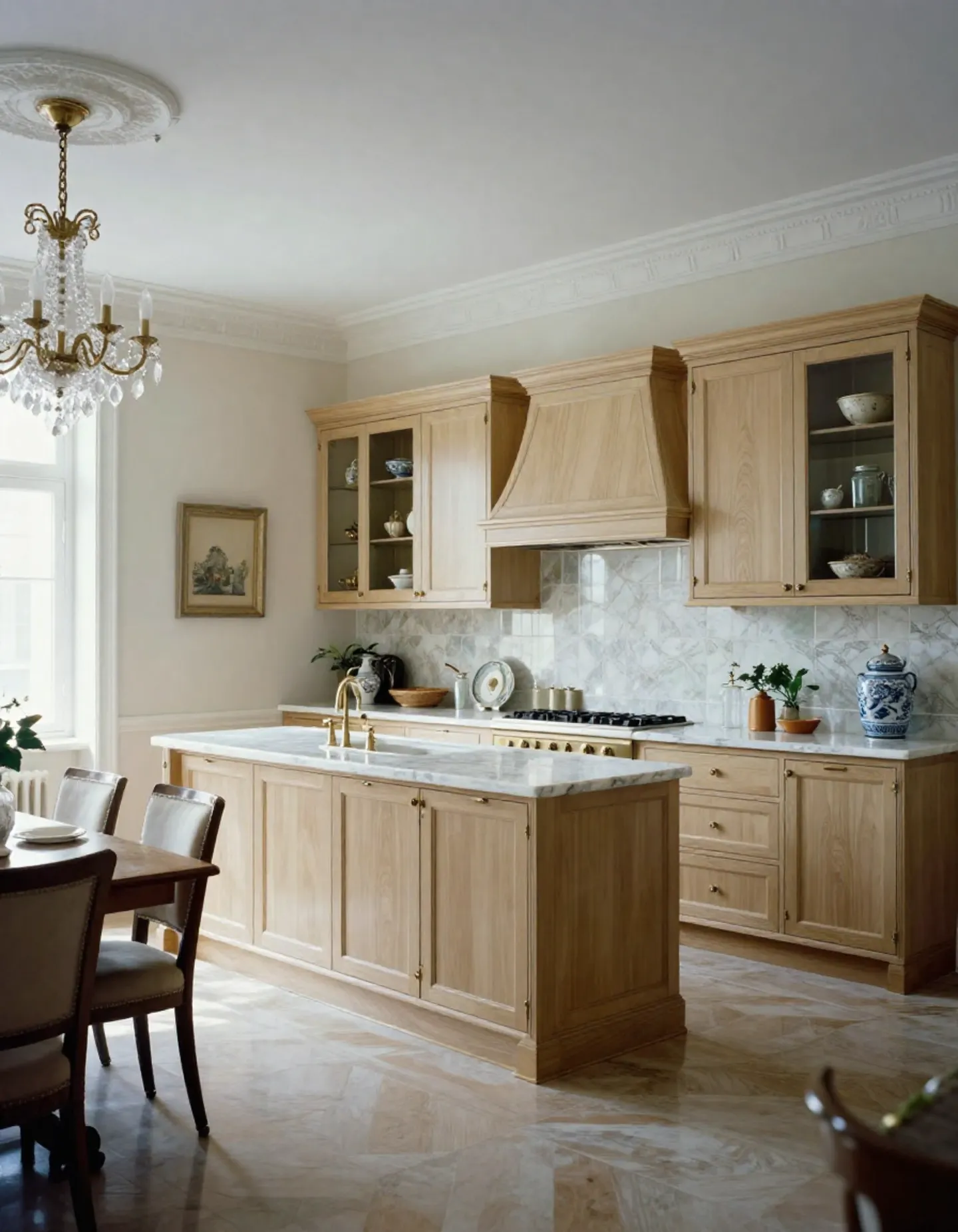
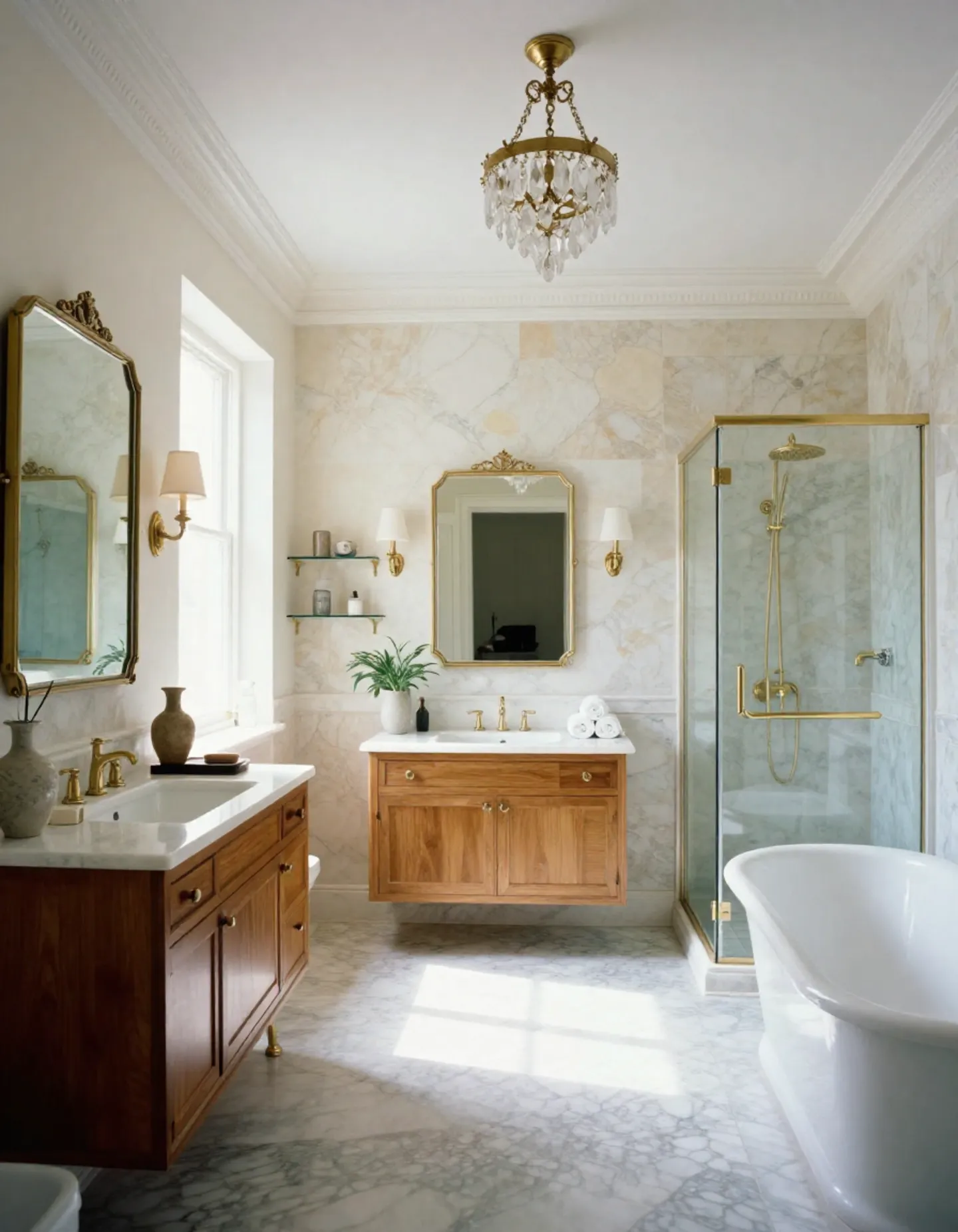
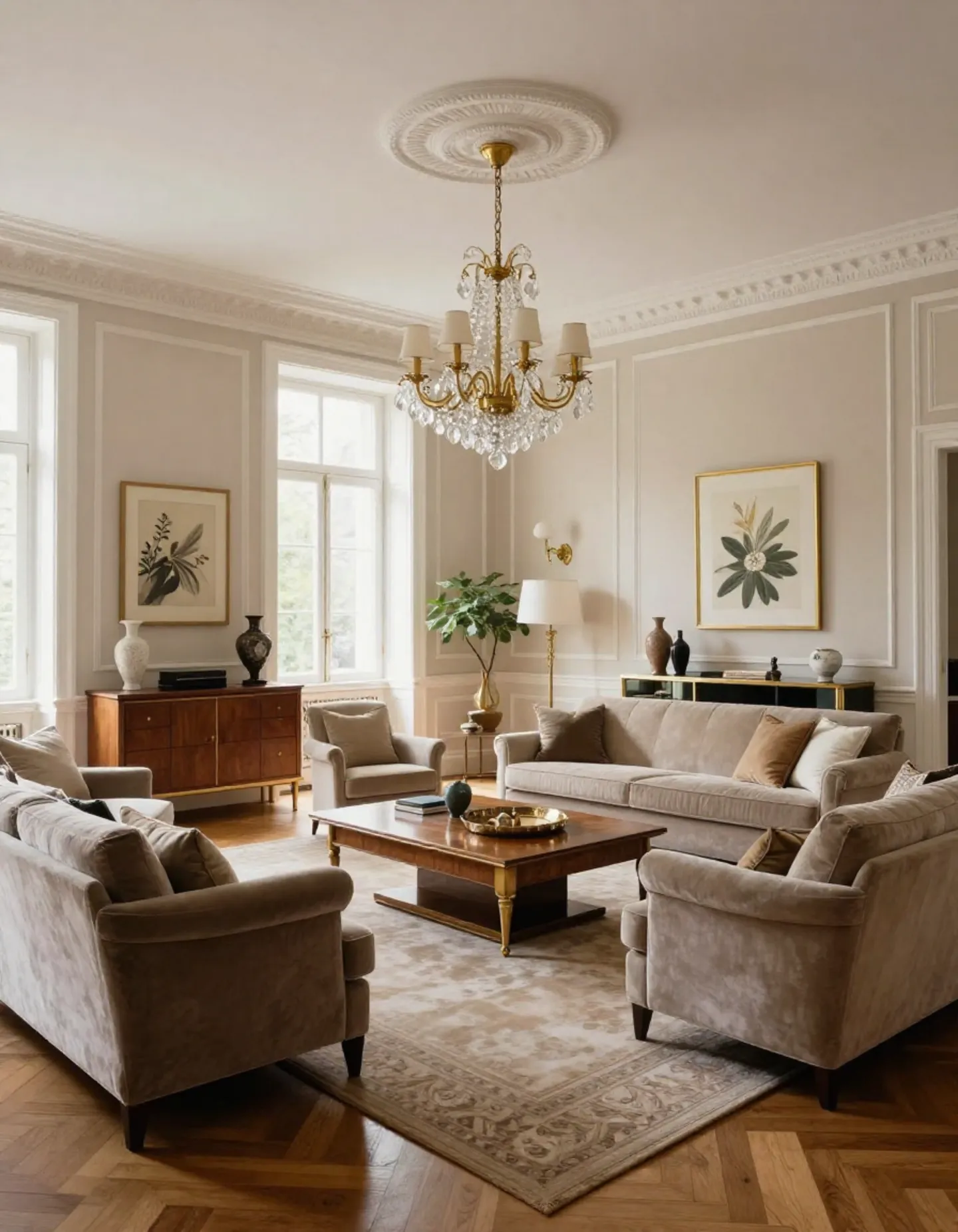
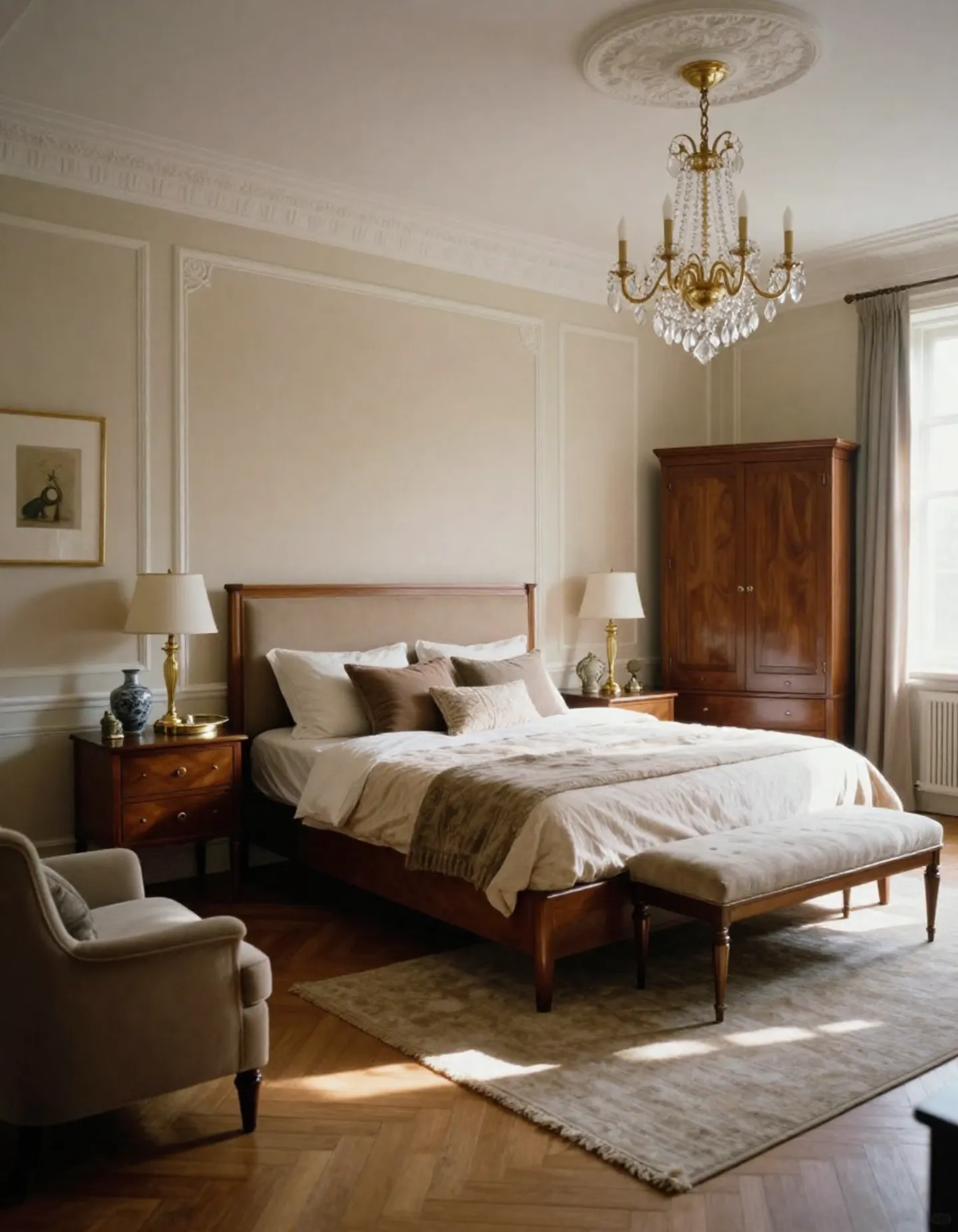
Classic style is synonymous with timeless elegance, harmony, and fine craftsmanship. Its roots go back to European palaces and residences, evident in its focus on proportion, symmetry, and build quality. Classic interiors favor light, subdued colors—creams, beiges, off-whites, and warm grays—broken up by deep accents like navy, burgundy, or bottle green. This palette brings calm and sophistication while creating the feel of a luxurious, ordered home.
Classic furniture is substantial, solid, and richly finished. Wooden chests, display cabinets, consoles, or side tables are often decorated with mouldings, carvings, and ornamental handles, while upholstered sofas and armchairs have soft, rounded shapes. Velvet, jacquard, or high-quality linen add dignity, as do noble materials like marble, natural wood, crystal, and porcelain.
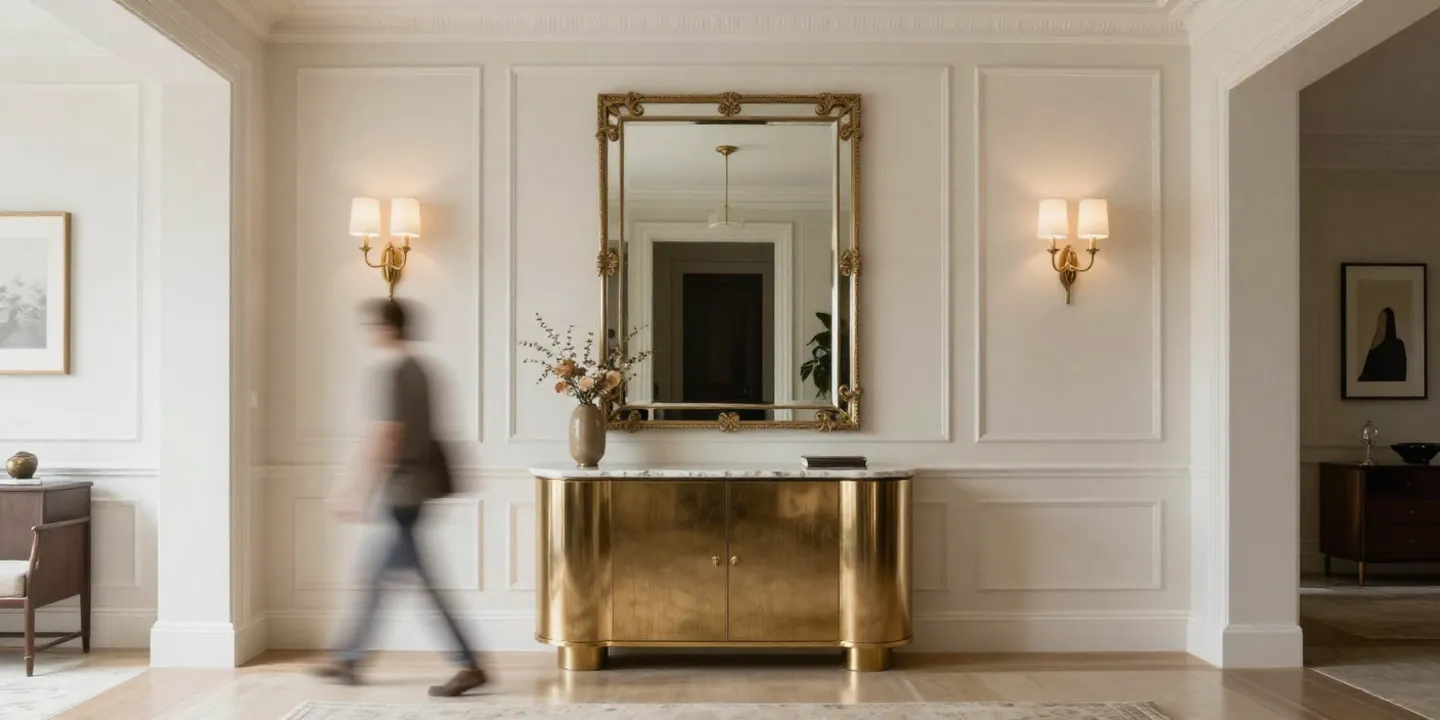
A signature of classic style is refined architectural detail: wall and ceiling mouldings, baseboards, elegant mirror frames, and classic paneling. Floors are usually wooden parquet—often in a herringbone pattern—which emphasizes warmth and a traditional character.
Decor is chosen with restraint, but with strong attention to quality and cohesion. Interiors are complemented by paintings in gilded frames, porcelain vases, crystal candlesticks, antiques, tall curtains made from heavier fabrics, or stylish lamps with shades. Together, these elements create an elegance that doesn’t need to be showy to impress.
Classic style works especially well in spacious living rooms with a fireplace, formal dining rooms with a solid table, bedrooms with an upholstered bed, and studies filled with books. It’s for people who value harmony, calm, and timeless beauty—interiors that never go out of fashion and become more refined over time.
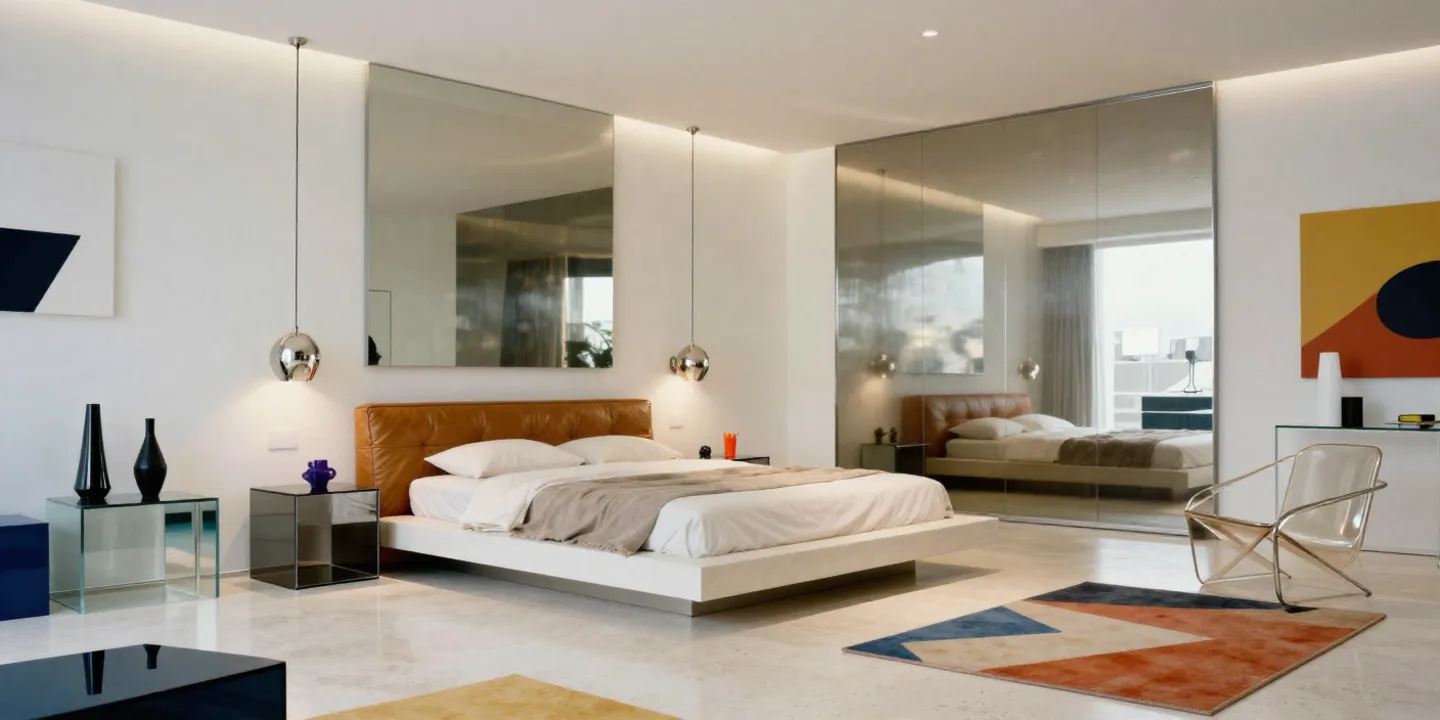
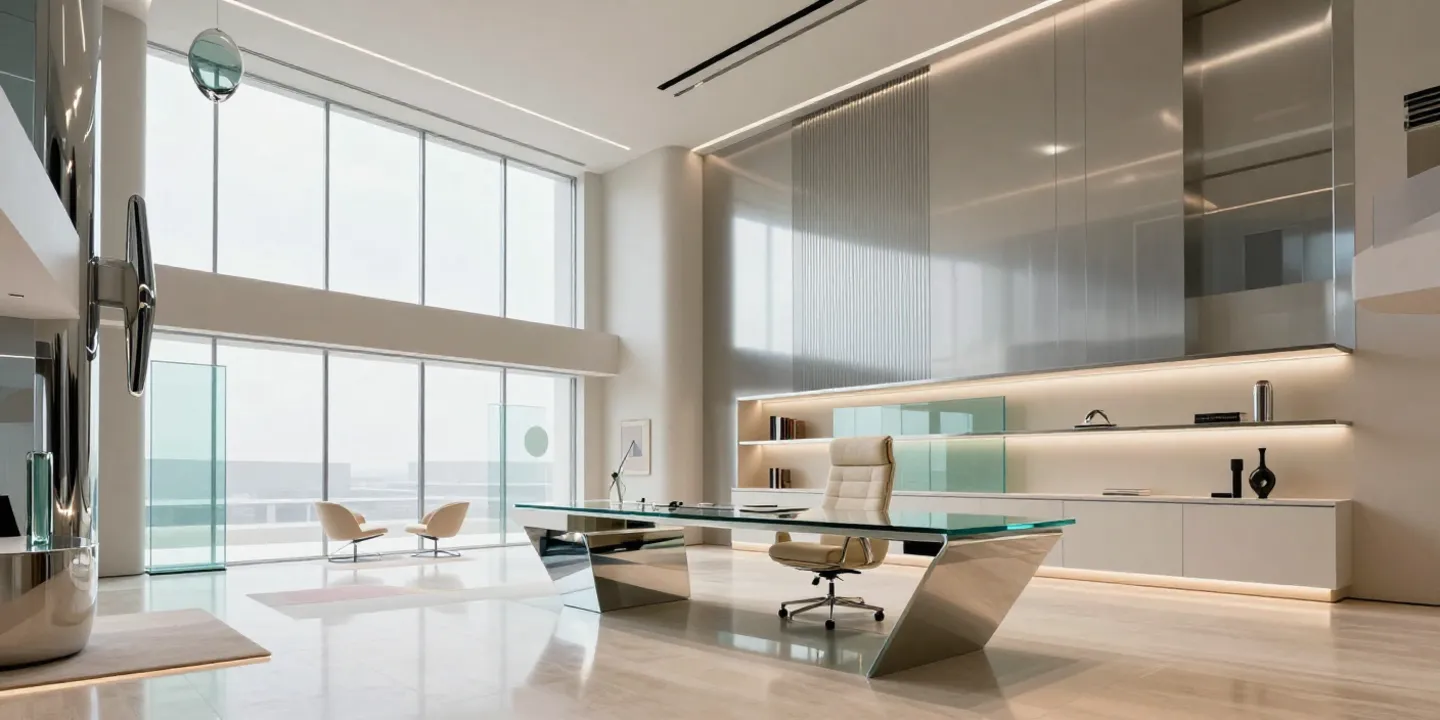
Minimalist style is the essence of simplicity, harmony, and functionality. Inspired by Zen philosophy and Japanese aesthetics, it focuses on removing excess and choosing only elements that are necessary and serve a clear purpose. As a result, interiors feel tidy, spacious, and calm, and every detail matters.
The core is simple, geometric furniture without unnecessary ornament, made from high-quality materials such as wood, stone, linen, cotton, or leather. The palette is subdued: white, grays, and beiges, sometimes complemented by subtle accents that add elegance and personal character. Minimalism allows accessories, but only carefully curated ones so they don’t disrupt the balance.
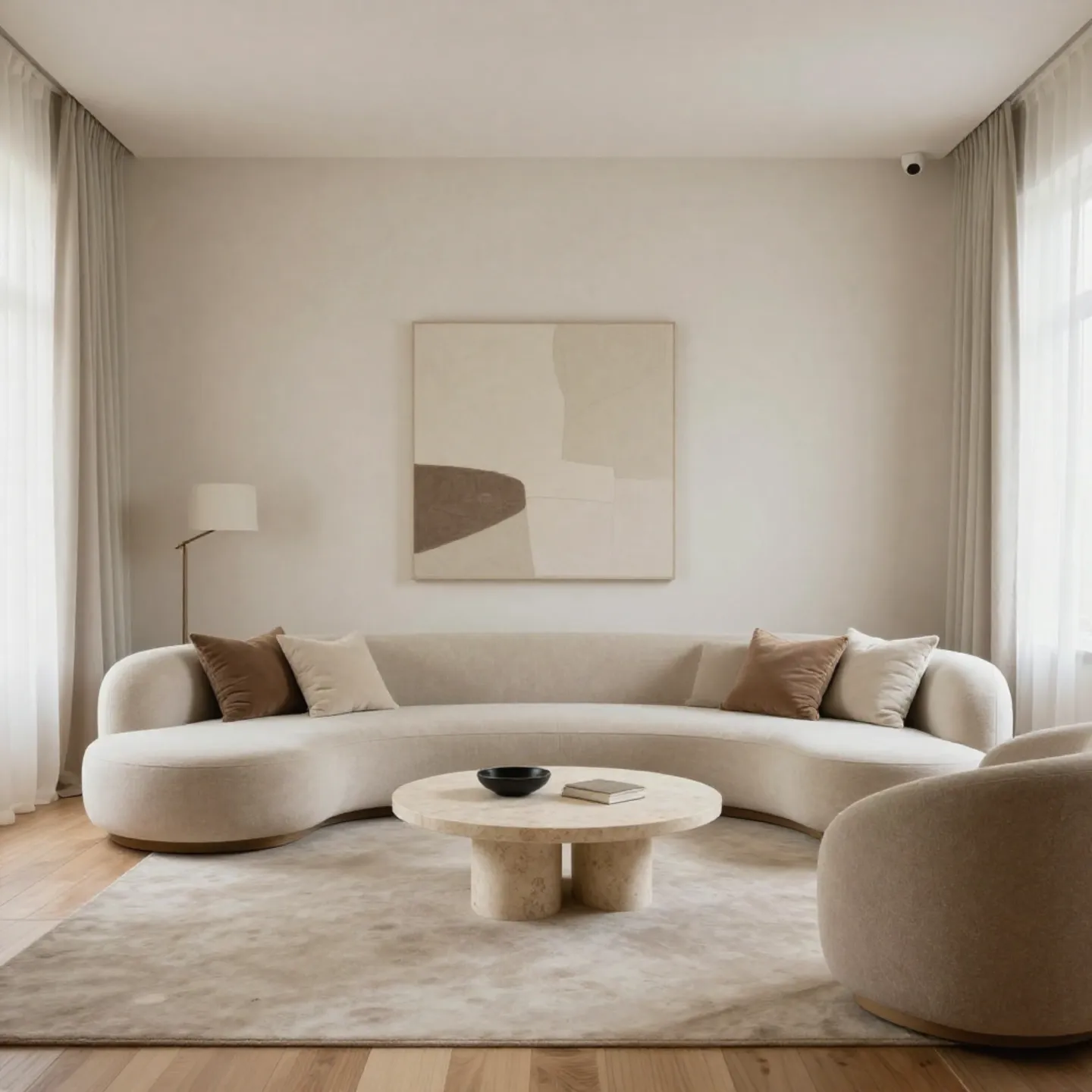
Light is crucial—both natural and thoughtfully chosen fixtures with simple forms that reveal the depth of the space. In the living room, the focal point is the sofa and coffee table, around which functional zones are created while keeping the space open. The kitchen and bedroom follow the same principles of simplicity and comfort—countertops stay clear of clutter, and furniture and accessories maintain a restrained, timeless form. Minimalist style creates elegant, calming, functional interiors that support everyday relaxation and a sense of balance.
Modern Classic is an elegant blend of classic and contemporary elements, creating interiors that are luxurious, cozy, and functional. It’s built on a bright, muted palette—whites, beiges, grays—enhanced by refined accents like navy, burgundy, or bottle green. These combinations bring calm, harmony, and a timeless character.
Modern Classic interiors celebrate high-quality materials: velvet, velour, bouclé, marble, wood, and metal. Furniture references classic shapes reinterpreted in a modern way—rounded contours, subtle detailing, elegant proportions, and comfortable seating make the space both stylish and livable. Sofas, armchairs, sideboards, and consoles combine function and luxury, while designer lamps, chandeliers, and accessories add freshness and energy.
Decorative details define the character: mouldings, herringbone parquet floors, mirrors in ornate frames, curtains in heavy, soft fabrics, porcelain and crystal displayed in cabinets—all work together to form an elegant, organized composition. Modern Classic also allows subtle modern touches—hidden TV equipment, practical storage solutions, or designer accents—that don’t break the harmony and lightness.
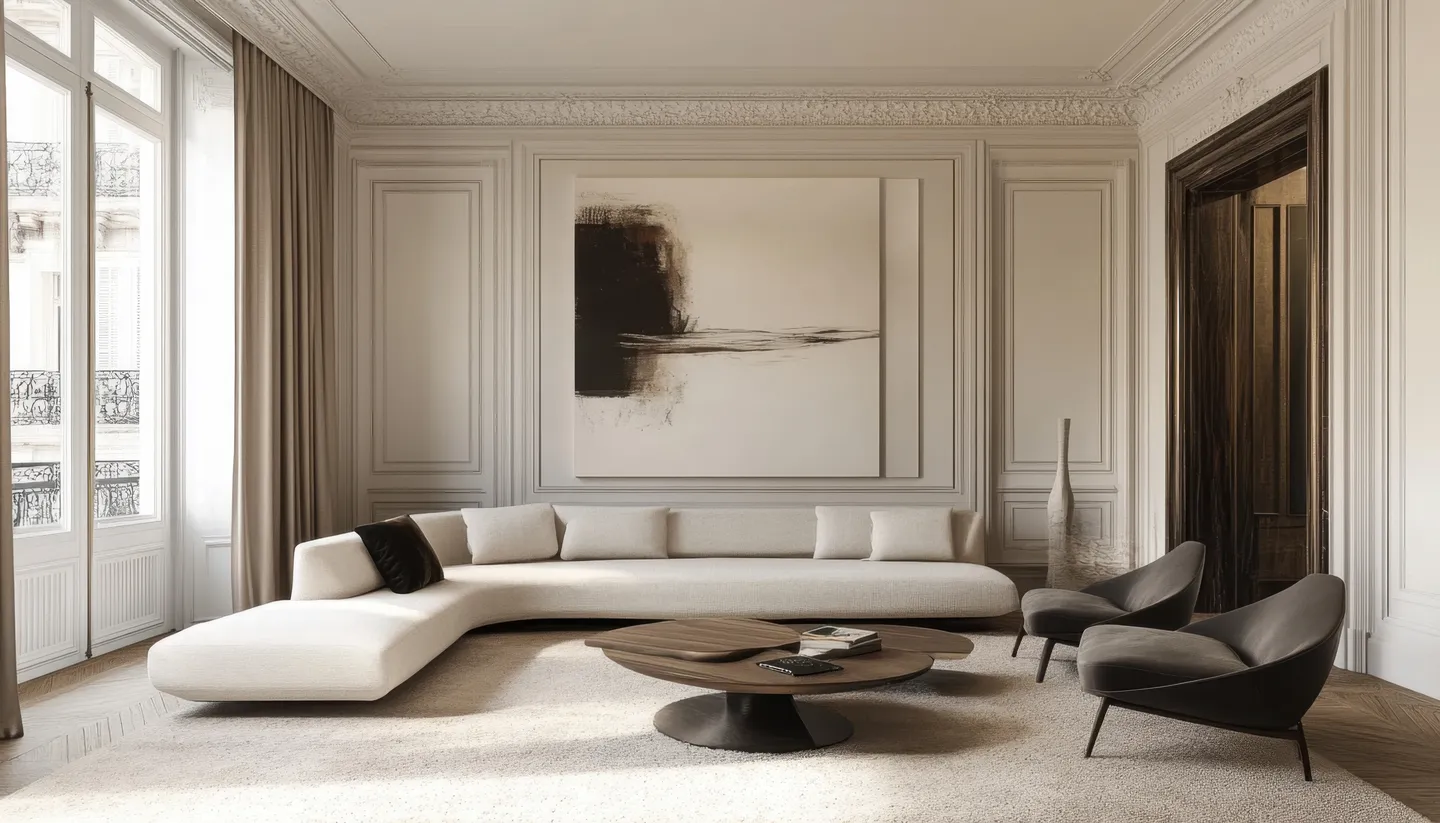
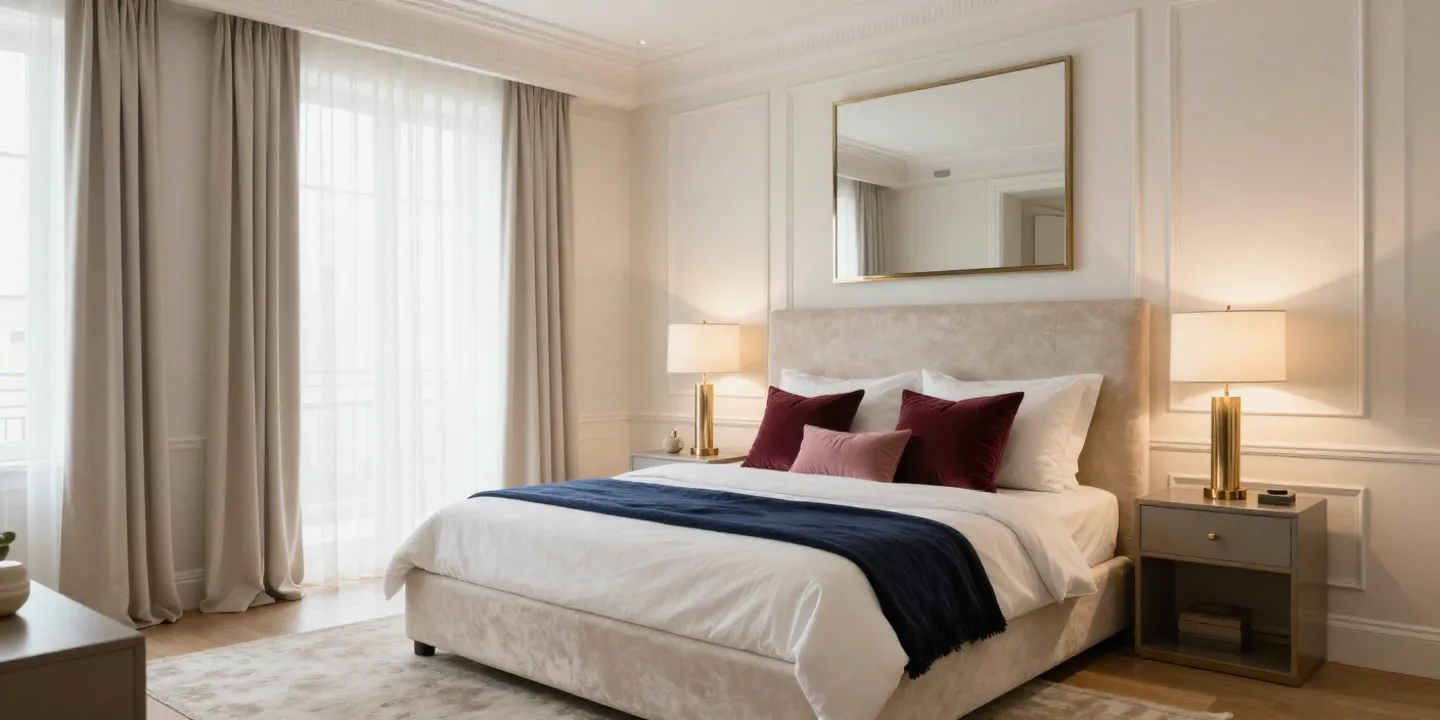
This style fits any room: in the living room, the centerpiece is a comfortable sofa and elegant table; in the bedroom, a luxurious bed with a tufted headboard; in the kitchen, a mix of classic cabinetry with modern appliances. Modern Classic is timeless—tradition and modern aesthetics working together to create interiors that are elegant, cozy, and quietly luminous.
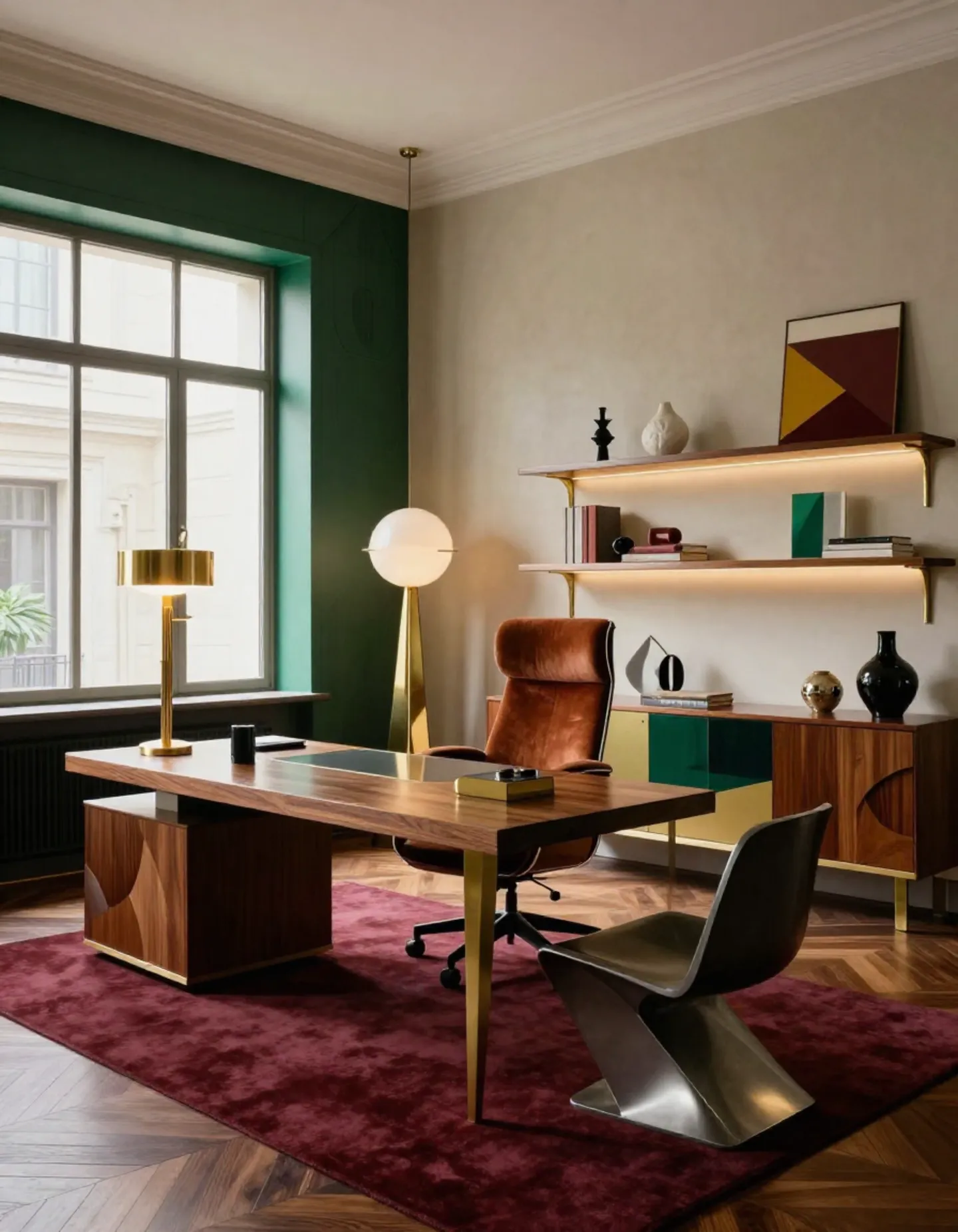
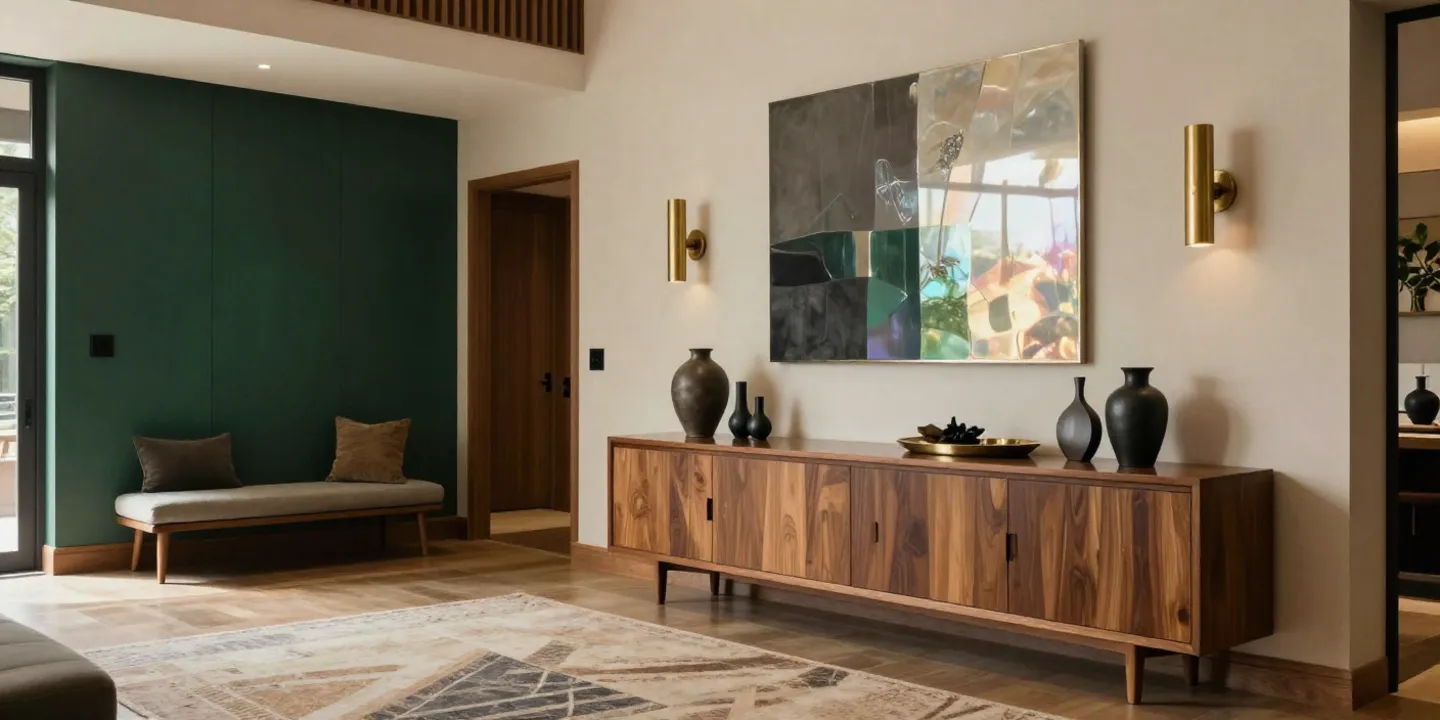
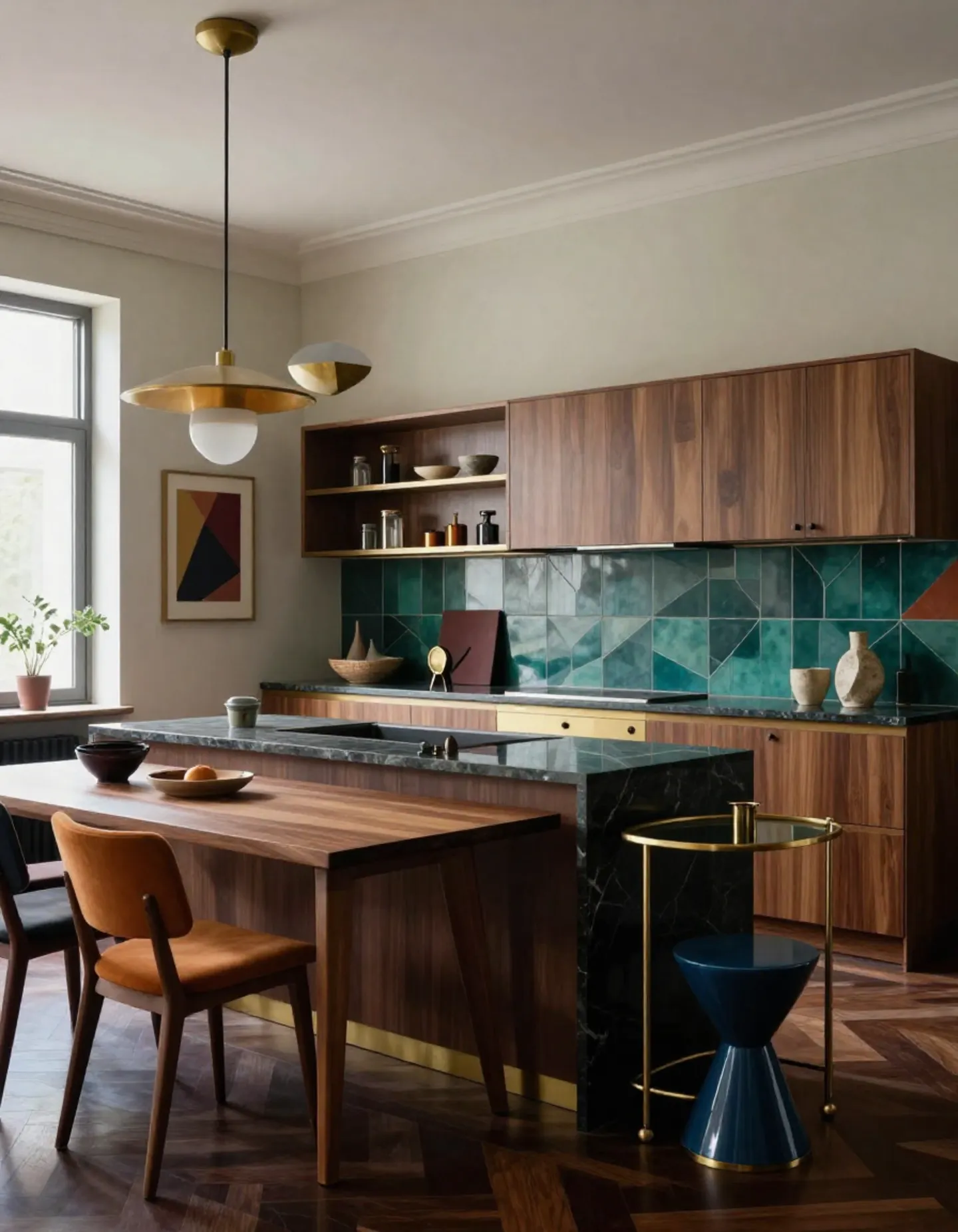
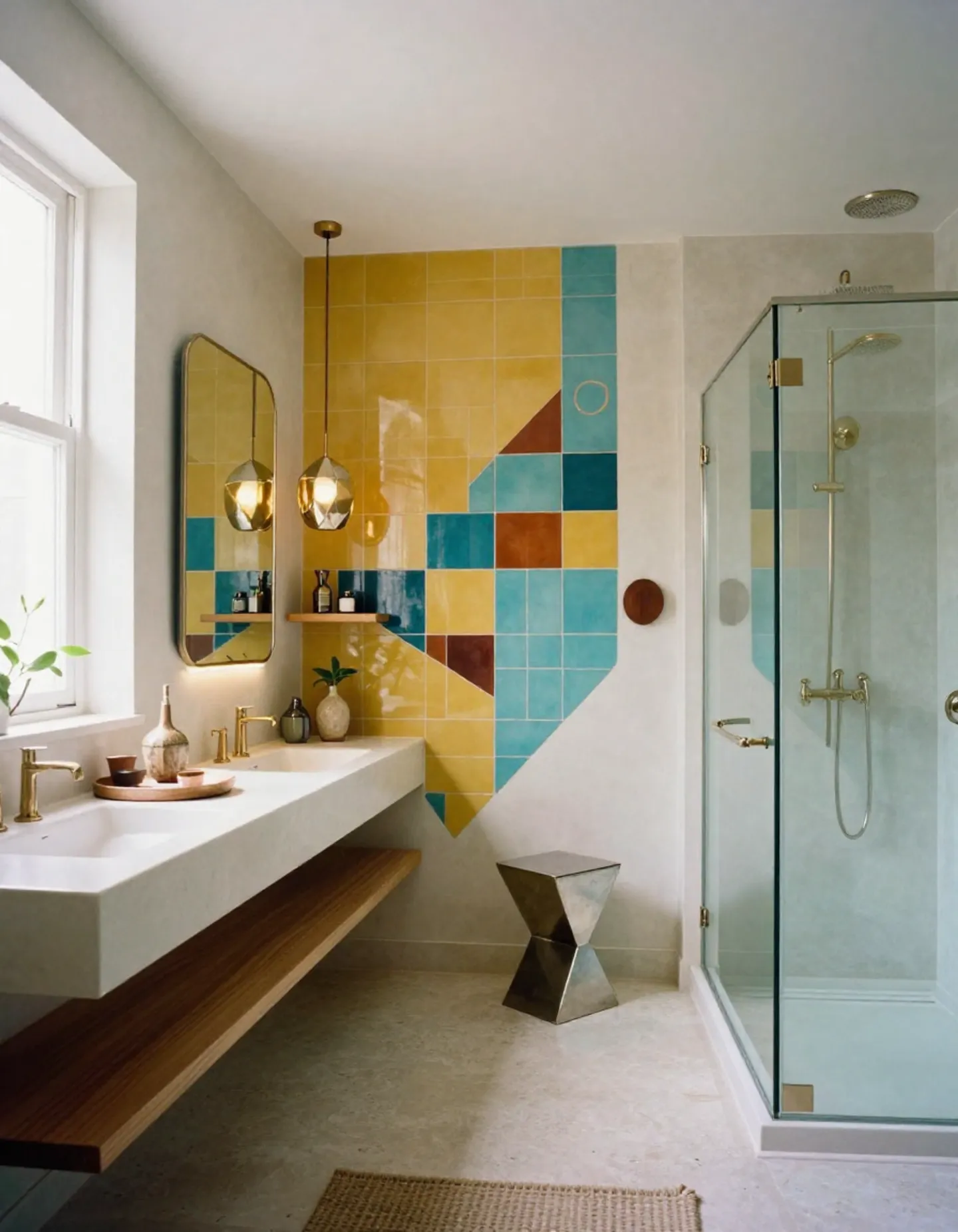
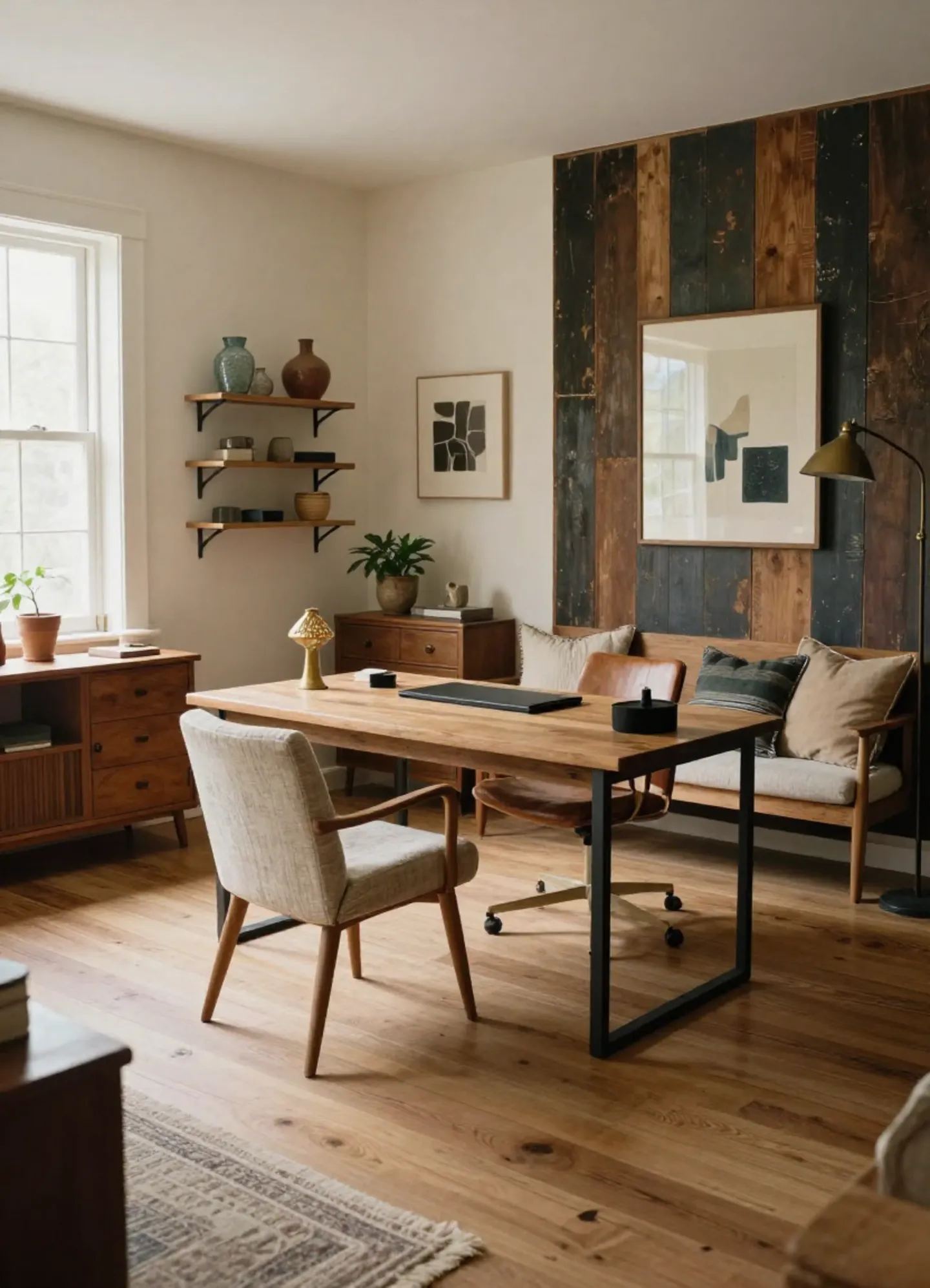
Mid-Century Modern style is elegance and functionality rooted in the mid-20th century, especially the 1950s. Interiors are defined by lightness, open spaces, and simple forms that combine practicality with timeless design. Large windows let in plenty of light, and smooth transitions between rooms enhance the sense of space and ease.
Signature pieces include furniture with simple, geometric shapes made of wood, leather, and metal. Iconic designs—from rounded sofas to distinctive, sculptural chairs—add lightness and personality. Colors are generally subdued, with subtle accents such as warm wood tones, green, mustard yellow, or orange, evoking postwar interiors.
Materials—wood, stone, leather, metal—create a cozy yet modern space. Each element is functional, and decor is limited to carefully selected details that reinforce the overall character.
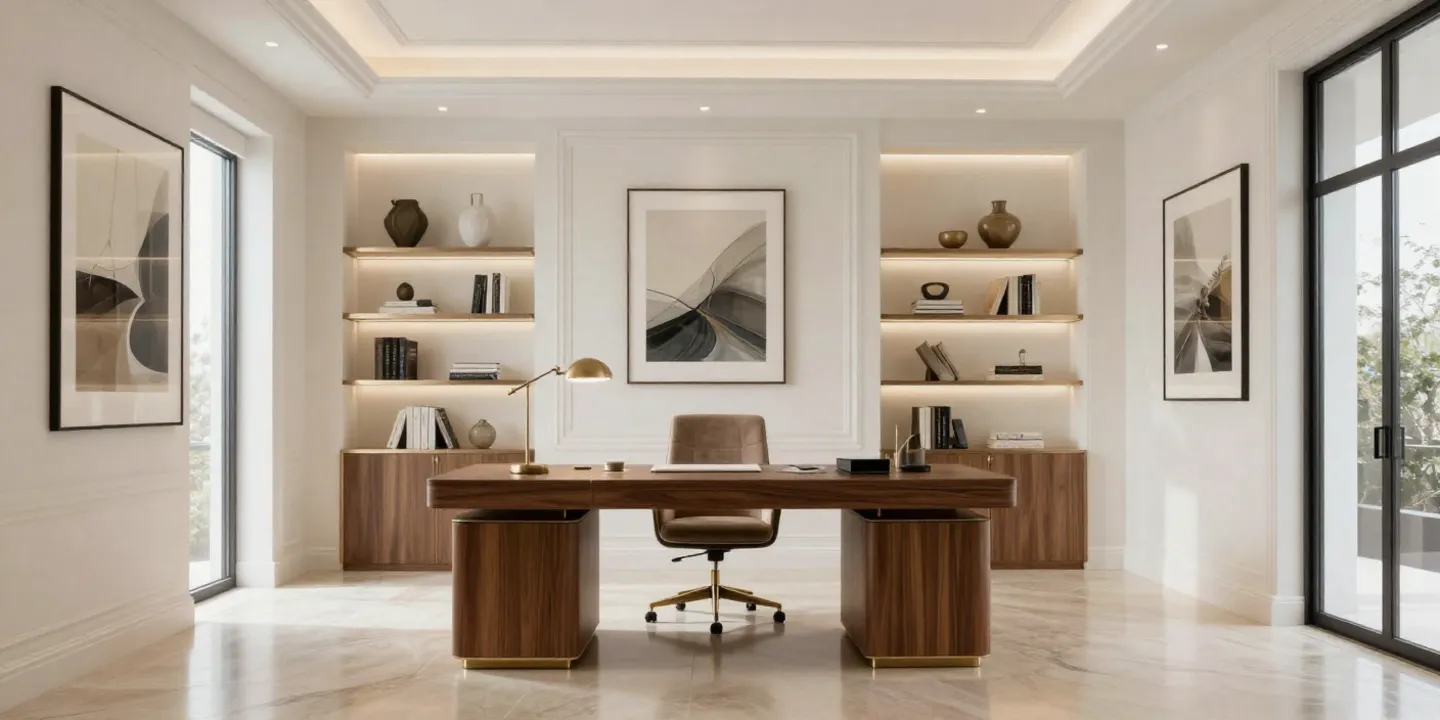
Mid-Century Modern works well in living rooms, bedrooms, and home offices—designer furniture, harmonious colors, and natural materials create interiors that are elegant, cozy, and practical. It’s a timeless alternative to harsh minimalism or industrial arrangements, keeping the spirit of the 1950s and 60s while still feeling fresh and contemporary.
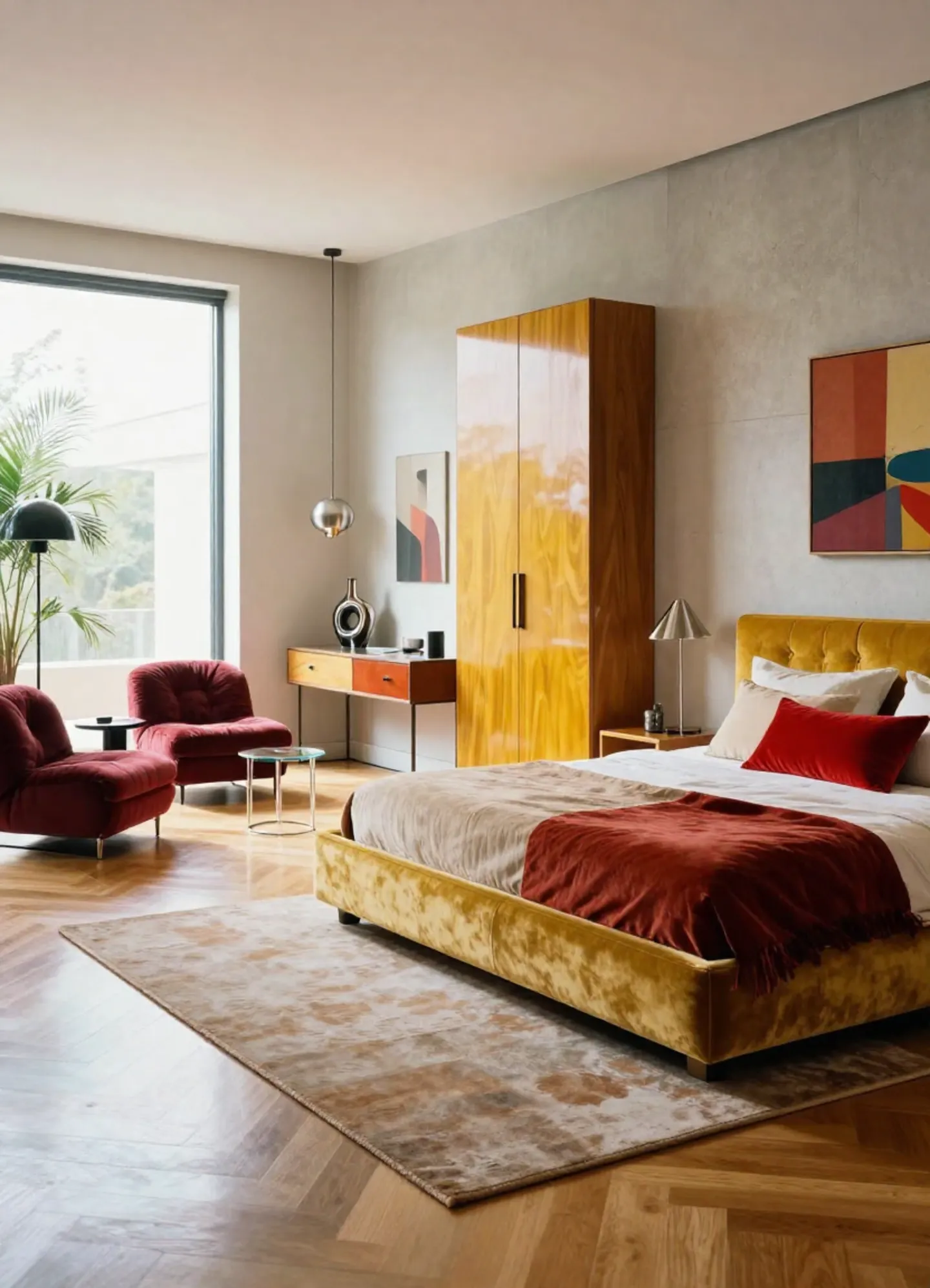
Modern retro is a balanced combination of modern functionality and the bold aesthetics of past decades—mainly the 1950s, 60s, and 70s. Interiors draw from retro forms—rounded sofas, slim armchairs on tapered legs, low sideboards, or iconic lamps—paired with the simplicity of contemporary arrangements. The result stays fresh and practical, while gaining a distinctive, nostalgic character.
Modern retro color schemes start with a neutral base—white, beige, gray—then add stronger, energetic accents. Mustard yellow, bottle green, turquoise, terracotta, or powder pink appear on upholstered furniture, cushions, or decorative details, bringing dynamism and a cheerful feel. Patterns inspired by vintage geometry—stripes, diamonds, stylized botanical motifs—are used sparingly to remain bold but not overwhelming.
Materials combine natural warmth with a touch of elegance: wood in a warm tone, velour, velvet, leather, and gold or brass finishes. Furniture is visually light and detail-oriented—rounded shapes, thin legs, profiled backrests. Alongside these are contemporary solutions—simple countertops, smooth built-in fronts, minimalist accessories—keeping the space functional and orderly. Lighting matters: spherical shades, geometric fixtures, or designs referencing classic mid-century projects set the mood and reinforce the style.
Modern retro works particularly well in living rooms, where a designer sofa or a classic wingback chair can anchor the arrangement; in bedrooms, where soft textiles and warm colors support relaxation; and in kitchens, with pastel fronts, rounded appliance forms, and vintage-inspired details. The result is an interior that feels cozy, upbeat, and full of personality—where nostalgia meets modern comfort. Modern retro lets you play with design and color while maintaining harmony and timeless elegance.
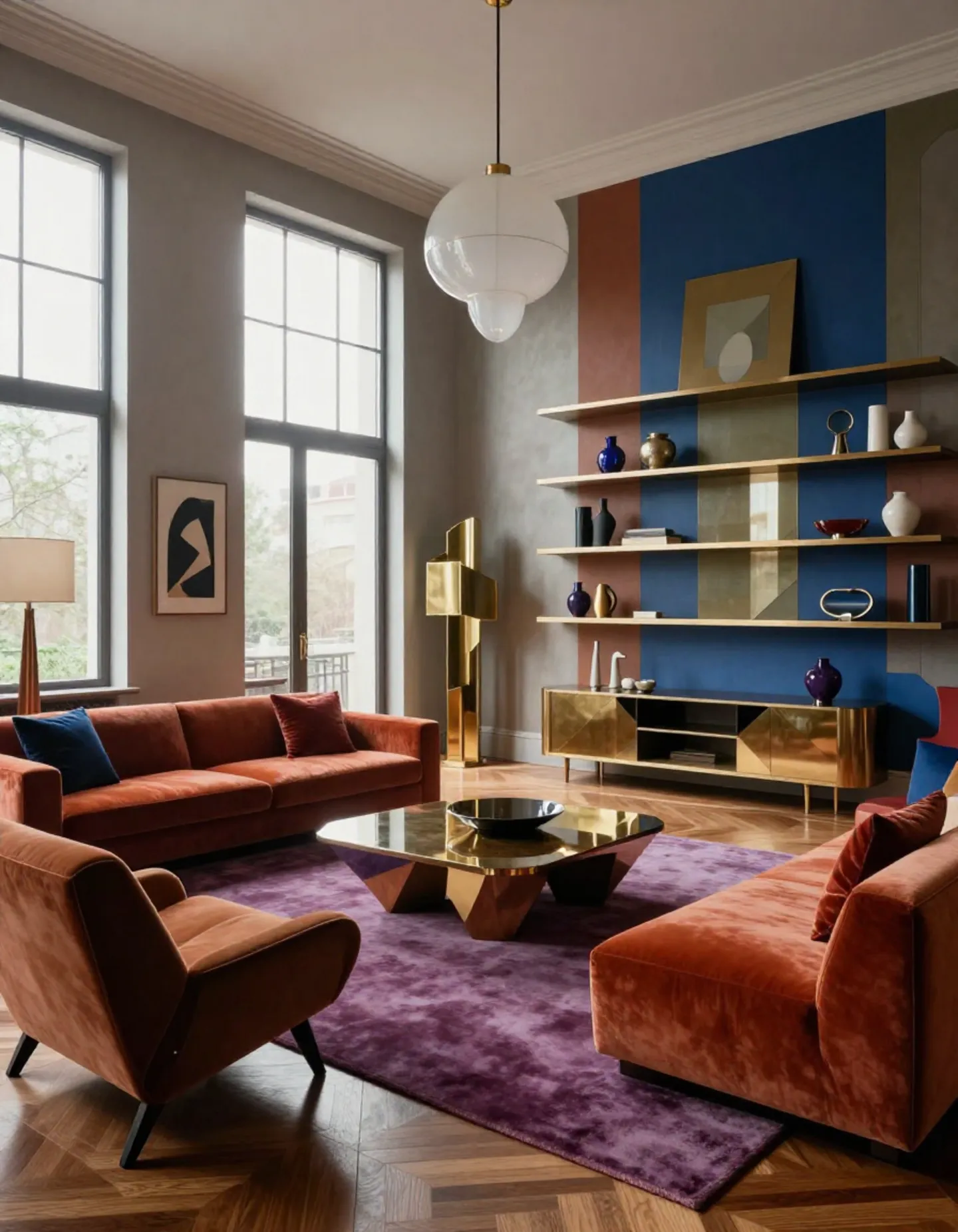
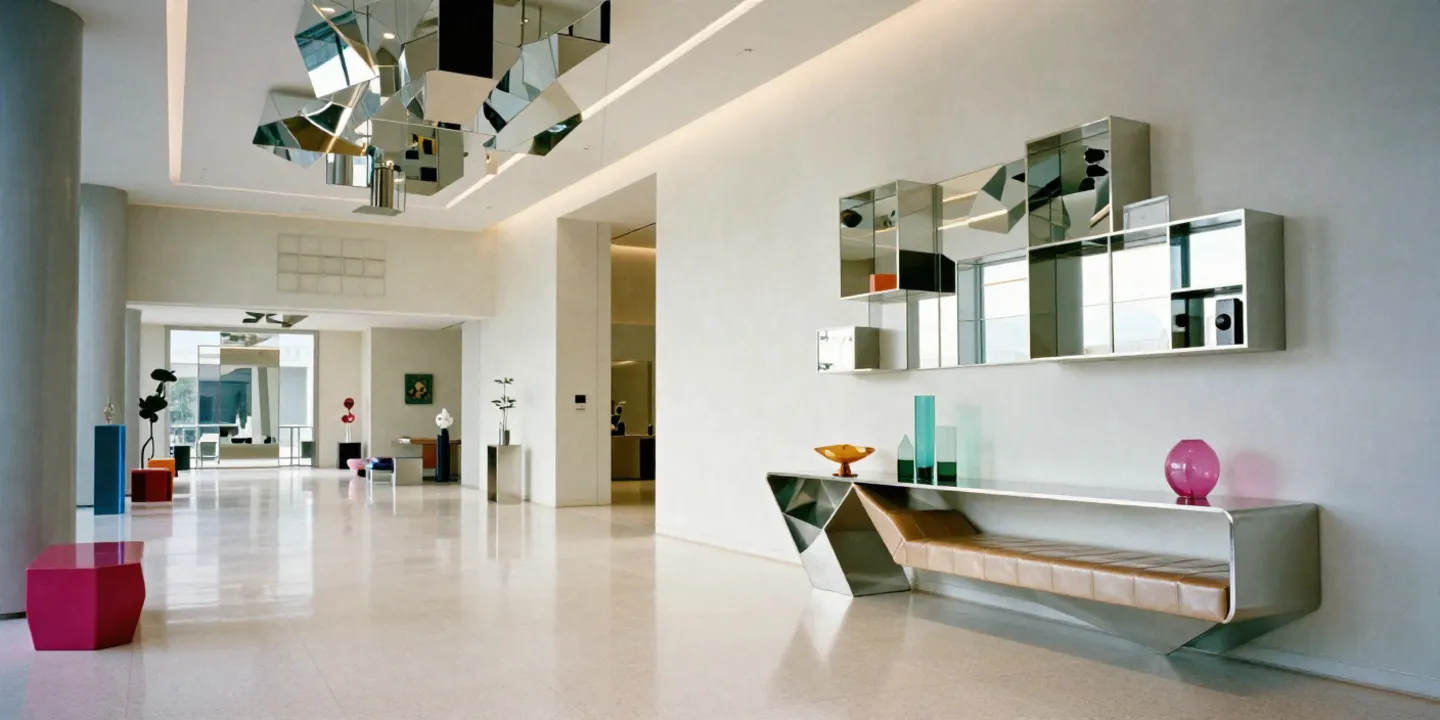
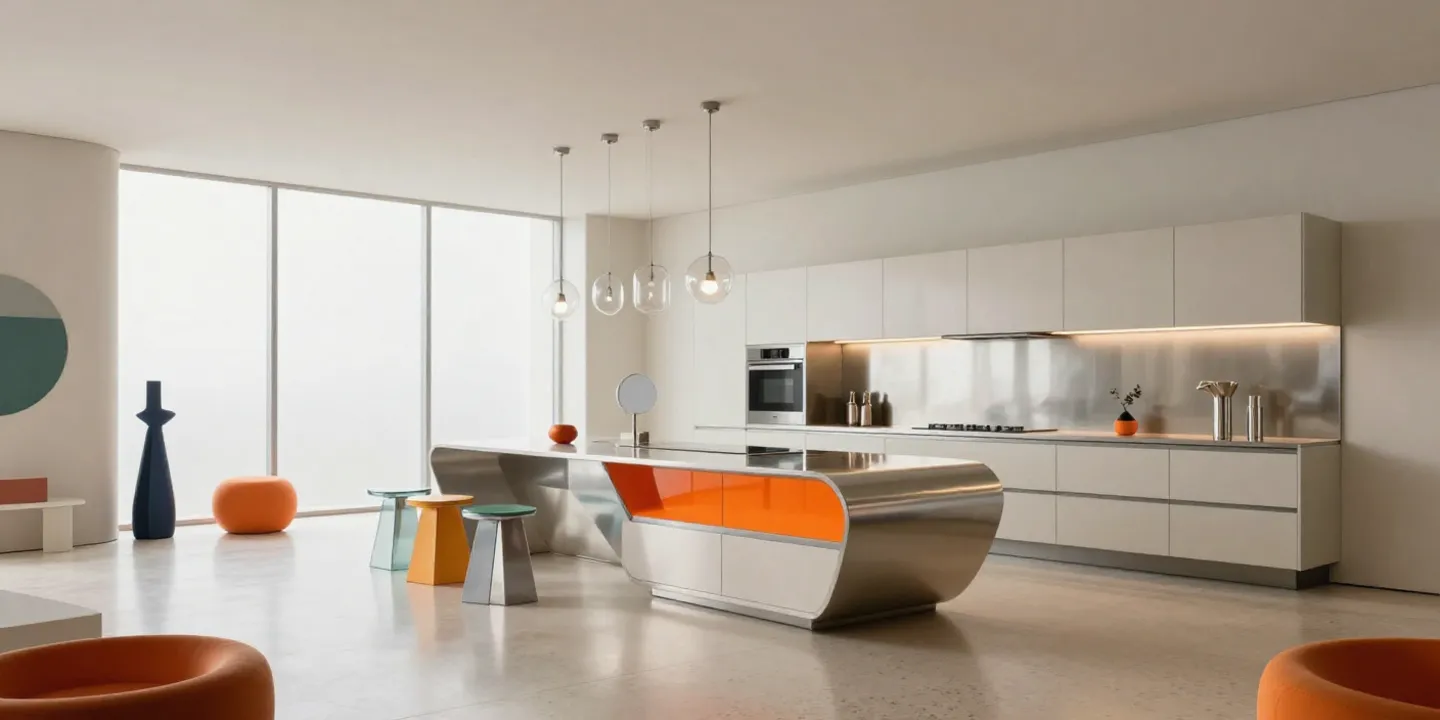
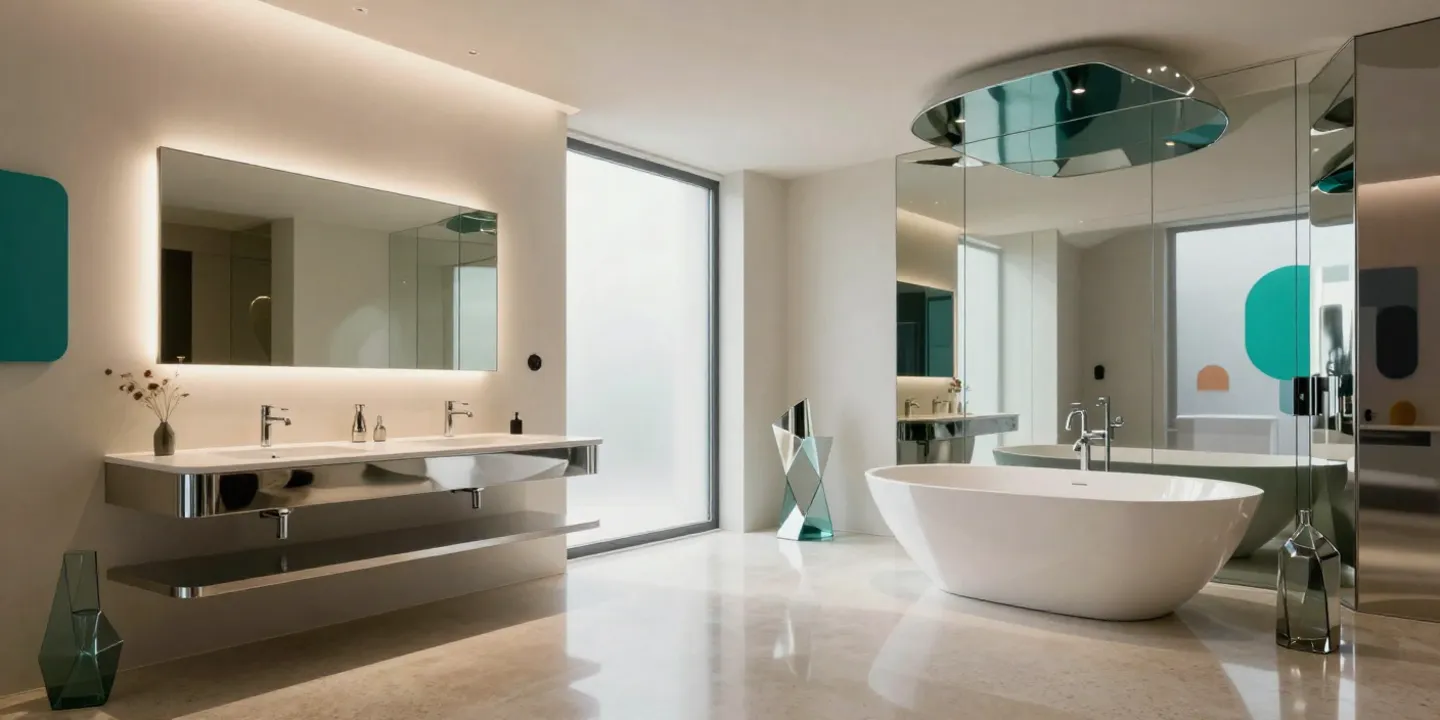
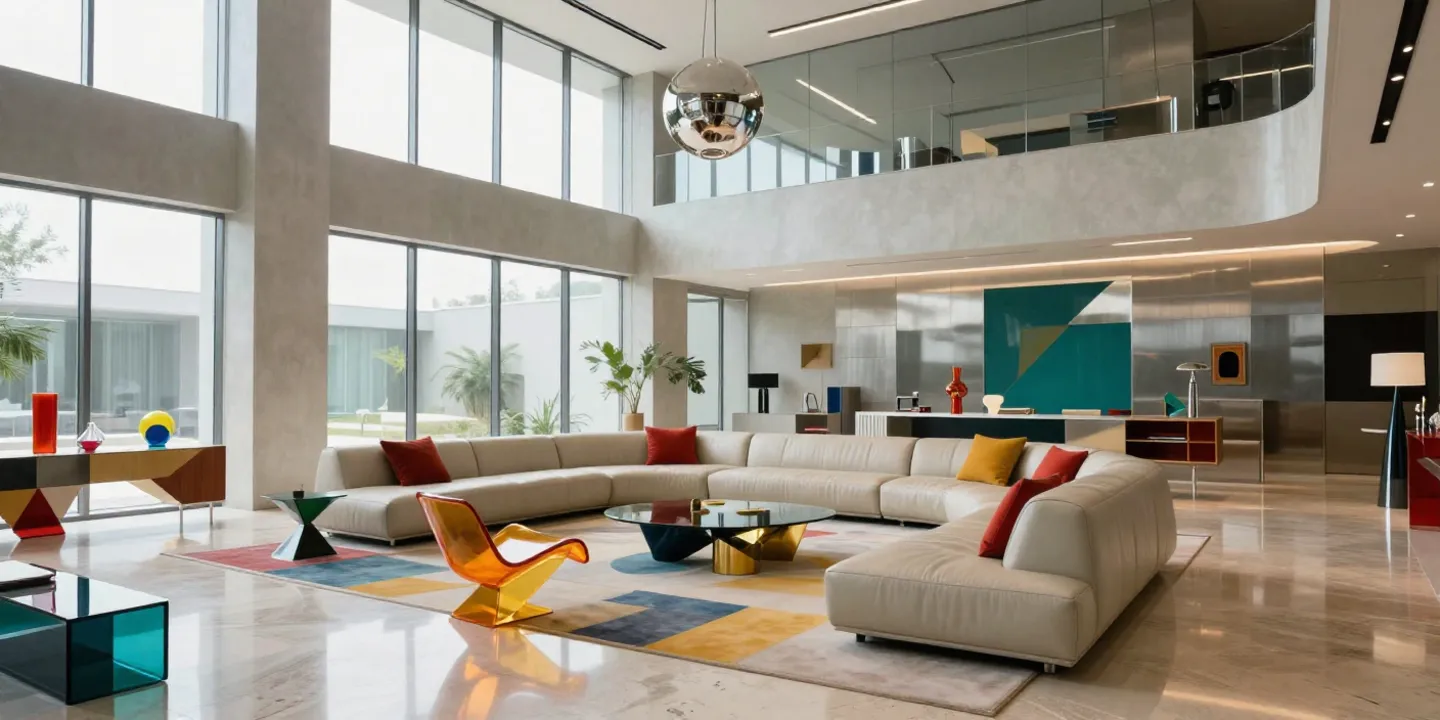
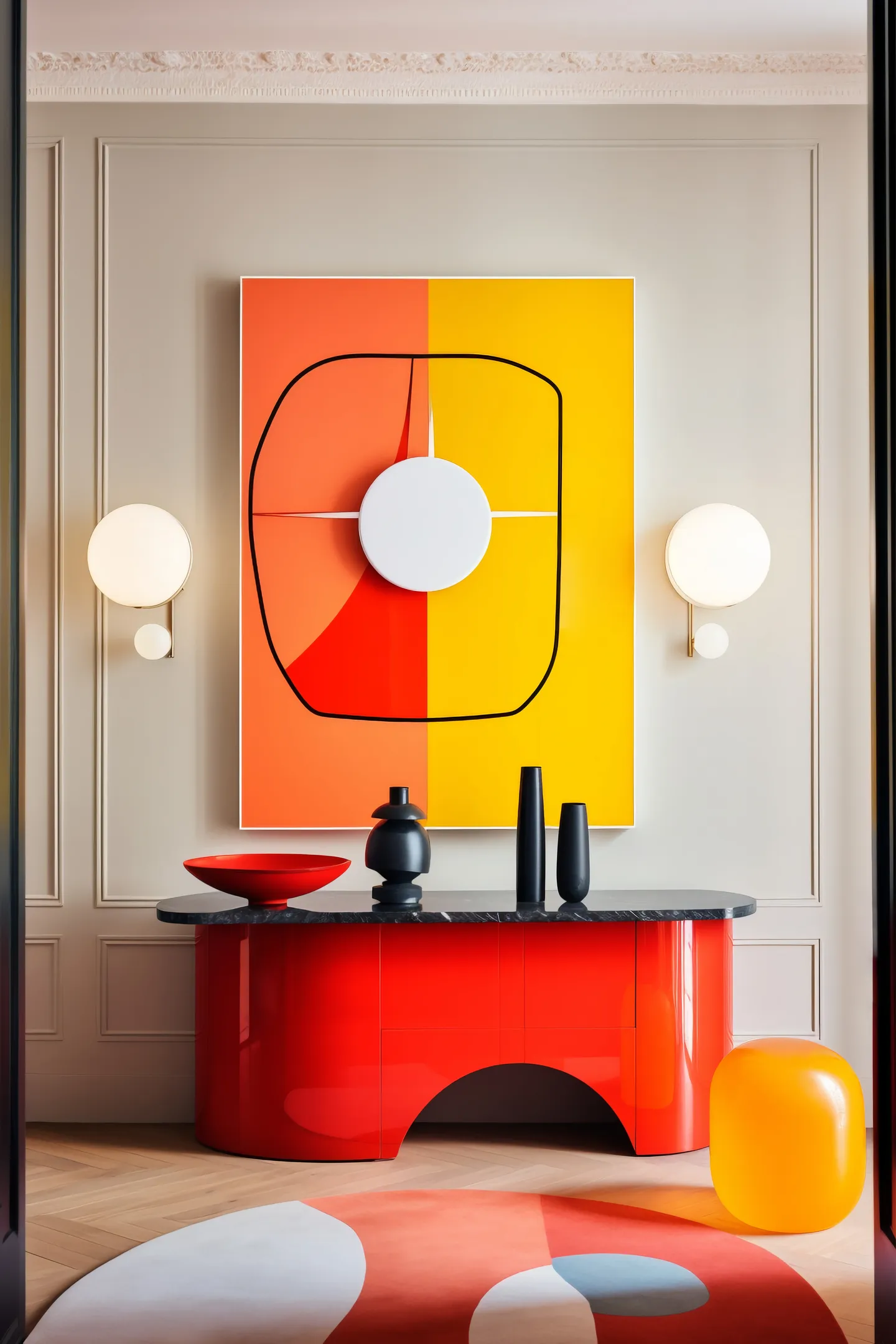
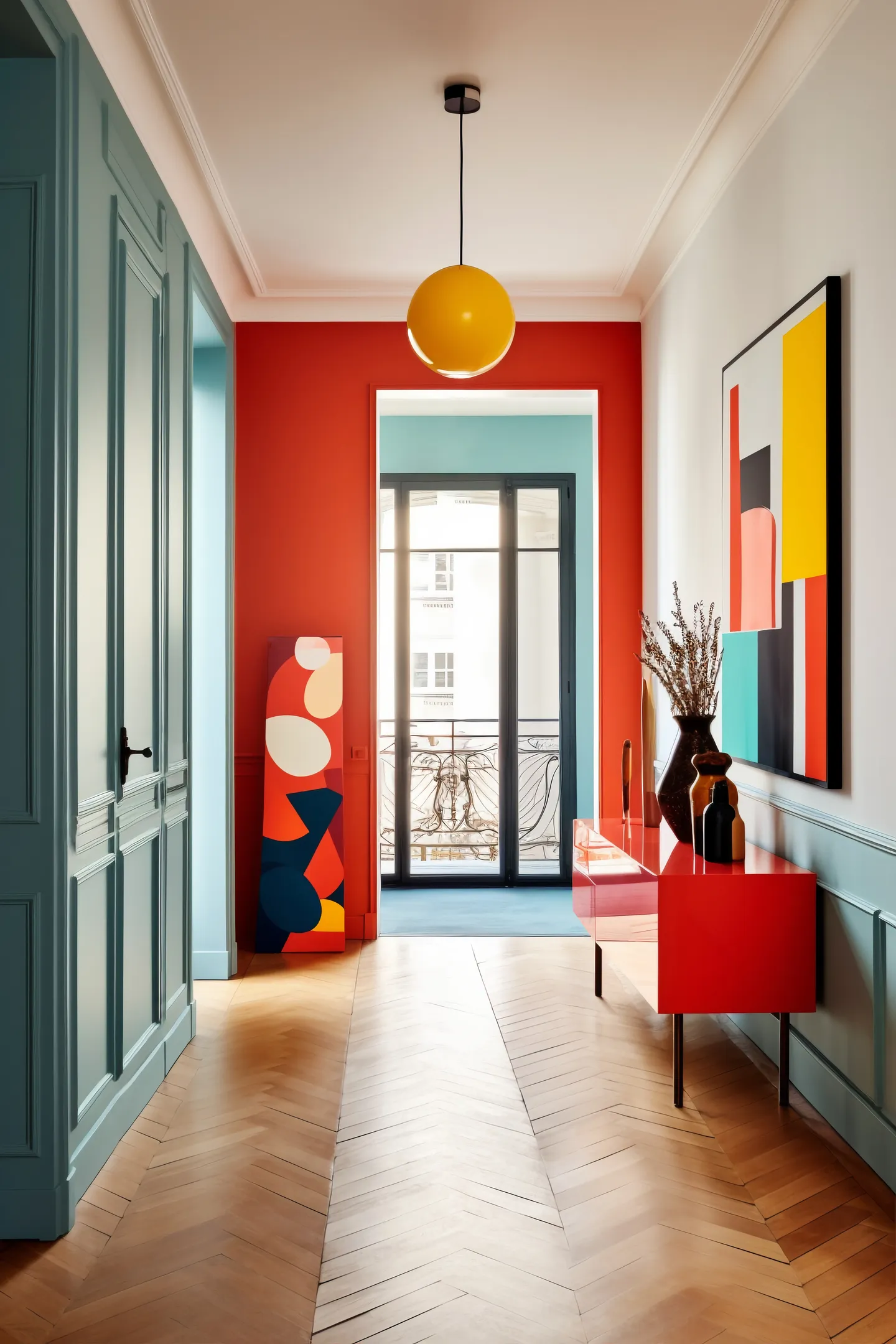
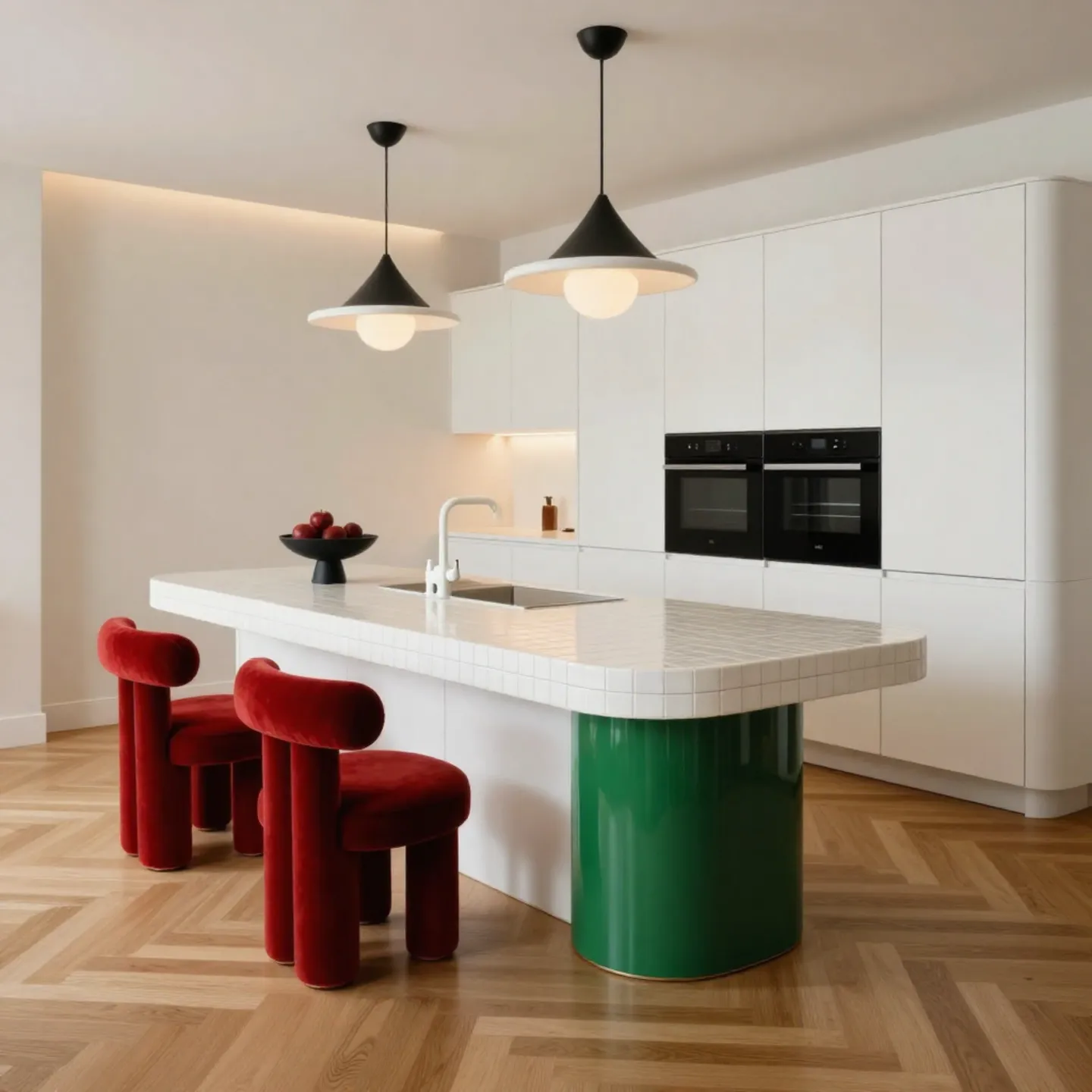
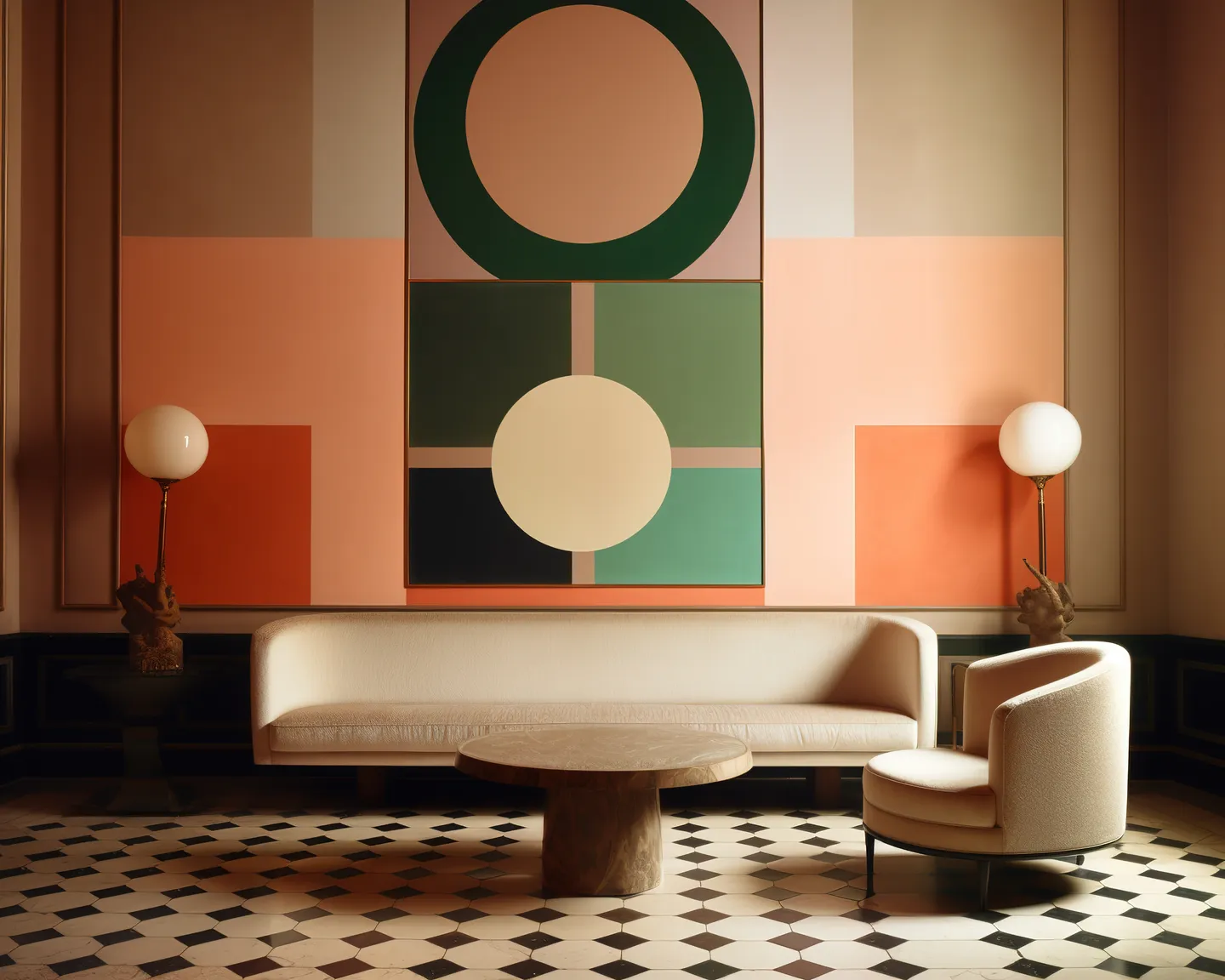
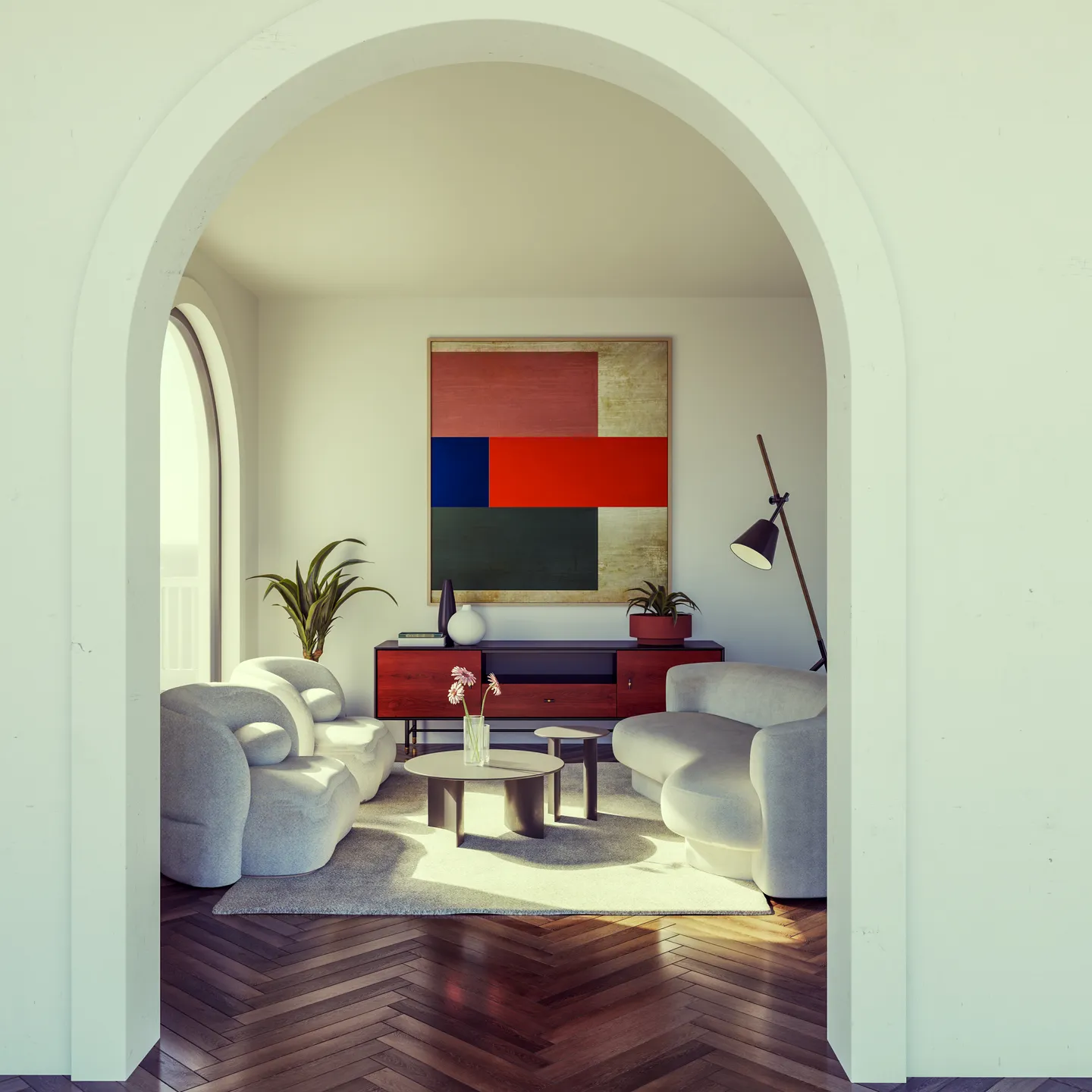
Postmodern style in interiors is a creative play with form, color, and irony that breaks the rigid rules of modernism. Seemingly mismatched elements are combined to create a space full of energy, humor, and artistic expression. Postmodernism rejects minimalism—choosing eclectic mixes, contrasts, and bold design decisions that define a unique atmosphere.
The color palette is varied and expressive: alongside saturated reds, turquoise, or orange, you’ll find pastels and subdued beiges that balance the whole. Colors highlight geometric and organic furniture forms that often resemble sculptures—featuring arches, asymmetry, unusual proportions, or whimsical details. It’s a style that treats objects as both functional and decorative, giving them a symbolic, almost artistic significance.
Materials are mixed boldly: concrete with marble, steel with colorful lacquer, matte surfaces with glossy fabrics. This variety creates layering and depth while emphasizing the style’s aesthetic freedom. Decor is crucial—pop-art-inspired graphics, sculptures, unusual mirrors, or artistically shaped lamps become focal points of the space.
Postmodern works well in living rooms, dining rooms, or home offices, where a statement armchair, eclectic cabinet, or geometric lamp can define the entire arrangement. It brings lightness, playfulness, and individuality—creating a style that is both expressive and intentionally composed. It’s for people who like breaking patterns, value creativity, and want a space with strong character.
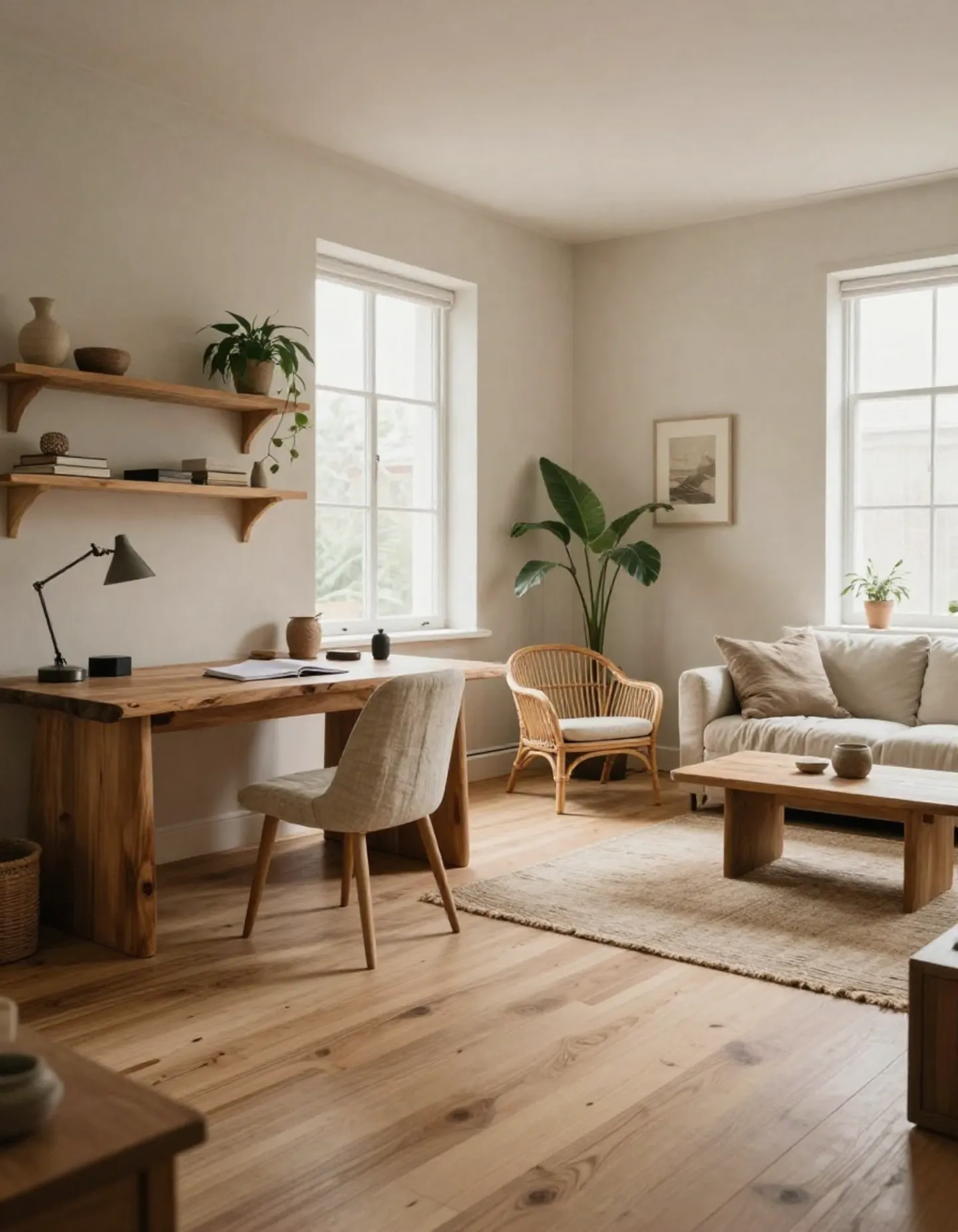
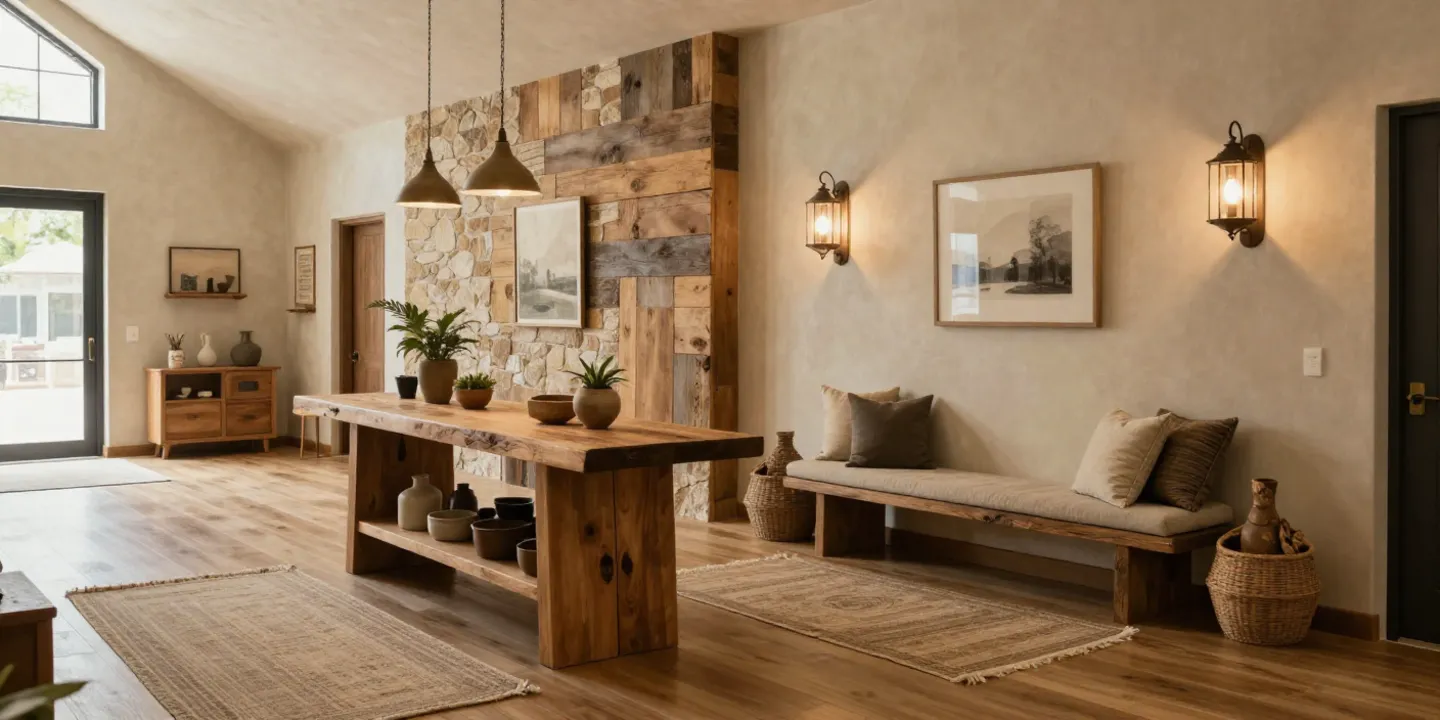
Rustic style brings a pastoral, countryside charm into modern interiors, emphasizing closeness to nature. Natural materials dominate—wood, stone, linen, and cotton—and furniture is often lightly aged, with visible grain and knots, giving the space an authentic, cozy feel. The style favors simplicity of form, practicality, and uneven textures that create a warm, homey atmosphere.
The color palette is light and neutral—white, cream, beige, and warm wood tones as a base—supplemented by subtle accents, such as pastel blue, lime green, or yellow. Rustic interiors focus on comfort: soft textiles, throws, cushions, jute rugs, and wicker baskets add a friendly, family-oriented vibe.
Rustic style works in every room. In the living room, wooden furniture, a fireplace, and a classic sofa dominate, complemented by additions like a rattan chair or a mirror in a wooden frame. The bedroom offers calm and harmony; the kitchen and dining room gain character through wooden tables, porcelain, and functional accessories. Rustic arrangements combine tradition with modernity—antiques can coexist with modern equipment, and classic patterns with simple forms.
Rustic interiors create a harmonious space filled with natural materials, calm colors, and simplicity—blending function with coziness. It’s a home where it’s easy to rest and enjoy the everyday warmth of countryside charm.